
Size
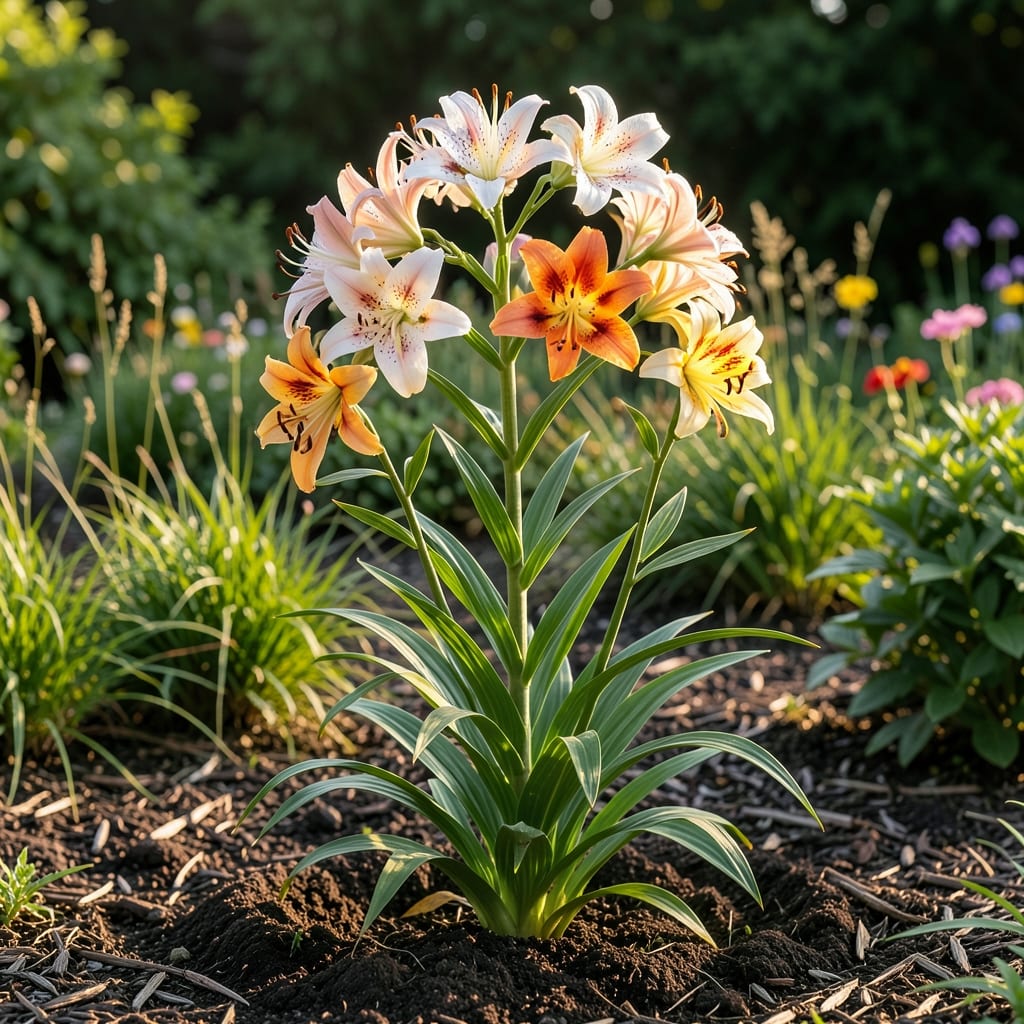
Ever wondered how tall lilies can grow in your garden? The answer is yes—these flowering giants can reach anywhere from just 1 foot to a stunning 8 feet, depending on the variety. Whether you're dreaming of dramatic vertical accents or compact blooms, understanding these height ranges is key to planning your garden layout.
Not all lilies are created equal—some varieties, like the towering Oriental lilies, can shoot up like skyscrapers, while others, like the charming Asiatic lilies, stay closer to the ground. This variation means you can mix and match to create layers in your garden, from bold focal points to delicate borders. The right placement isn’t just about looks; it’s also about supporting their growth.
But how do you know which lilies will thrive in your space? Factors like sunlight, soil quality, and even watering habits play a huge role in determining their final height. With the right care, you can coax even the tallest lilies to reach their full potential—without sacrificing strength or beauty. Let’s dive into the secrets behind their impressive growth and how you can make the most of it in your garden.
Ready to transform your outdoor space with these vertical wonders? Whether you’re a beginner or a seasoned gardener, knowing how tall lilies can grow will help you create a stunning, well-balanced garden that turns heads—and attracts pollinators. Let’s get started!


Lily height ranges by variety: tallest to shortest species
If you’re planning your garden layout, knowing exactly how tall lilies grow will help you avoid crowding or awkward spacing. Some varieties reach 8 feet—taller than most gardeners—while others stay under 1 foot. The right choice depends on your garden’s vertical space and design goals.
Lilies fall into three main height categories: dwarf (1–3 ft), semi-dwarf (3–5 ft), and standard (6–8 ft). Below, I’ve ranked the most popular varieties by mature height, including their ideal growing conditions and best uses in the garden.
For a quick reference, here’s how the tallest and shortest lilies compare:
The Stargazer Lily is the undisputed height champion, often reaching 8 feet with proper care. Its dramatic blooms make it perfect for backdrop planting or as a focal point near patios or entryways. Meanwhile, dwarf lilies like 'Pardon Me' add delicate charm to rock gardens or container arrangements.
Oriental lilies strike a balance at 4–6 feet, ideal for mid-border planting where they can showcase their fragrant blooms without overshadowing shorter plants. Their height also makes them excellent cut flowers for arrangements.
For shade-loving gardens, Martagon Lilies offer a 2–4 foot option with nodding blooms that thrive under tree canopies. Their unique form contrasts beautifully with ferns or hostas in woodland settings.
Daylilies, though not true lilies, often get grouped with them due to their similar height range (1.5–3 ft) and garden versatility. They’re perfect for mass planting or border edges where their continuous blooms add seasonal color.
Pro tip: Always check the specific variety before planting—some Asiatic hybrids can surprise you by growing taller than expected, while dwarf types may need staking if they flop in windy conditions.
What determines how tall your lilies will grow?
You’ve picked your favorite lily variety, but how do you ensure it reaches its full height potential? The answer lies in a mix of genetics, environmental factors, and your care routine. While some lilies are naturally tall, others need the right conditions to stand their ground—literally. Let’s break down what controls their impressive stature and how you can fine-tune growth for maximum height.
First, genetics set the baseline. A Stargazer Lily will always grow taller than a dwarf Asiatic, but even within the same variety, height can vary by 1–2 feet depending on care. Think of it like a blueprint: some lilies are built for vertical dominance, while others are designed to stay compact.
🌱 Key Takeaway: The tallest lilies—like Oriental hybrids—can reach 8 feet with ideal conditions, but poor soil or shade can cut their height nearly in half. Understanding these factors lets you optimize growth or troubleshoot leggy stems.
🌱 Factors That Influence Lily Height
- Sunlight: 6+ hours/day = full height; shade = stunted growth
- Soil: Well-draining, rich = strong stems; clay/poor = weak, floppy growth
- Water: Deep, consistent = tall blooms; drought = shorter, thicker stems
- Fertilizer: Balanced NPK = robust growth; over-fertilizing = leggy, weak stems
- Genetics: Variety determines max height; care fine-tunes the result
Sunlight is the #1 height booster for lilies. These sun-worshippers need 6+ hours of direct light daily to reach their genetic potential. Without it, their stems stretch weakly toward the sun—a phenomenon called etiolation—resulting in taller but weaker plants that flop under their own weight. Place tall varieties like Stargazer Lilies in full sun for the boldest stems.
Soil quality plays a critical role too. Lilies thrive in well-draining, slightly acidic soil (pH 6.0–7.0). Heavy clay or waterlogged conditions stress roots, leading to shorter, weaker stems. Amend your soil with compost or sand to improve drainage, especially for tall varieties that need strong support.
Watering habits can make or break height. Deep, infrequent watering encourages deep root growth, while shallow, frequent watering promotes weak, leggy stems. Aim for 1 inch of water per week, letting the soil dry slightly between waterings. Overwatering in damp climates can stunt growth entirely.
Finally, fertilizer timing matters. A balanced 5-10-10 NPK fertilizer applied in early spring and mid-summer fuels strong stem development. Avoid high-nitrogen fertilizers, which promote leafy growth over height. For tall lilies, focus on phosphorus and potassium to support bloom production and stem strength.
🌿 Pro Tip: If your lilies are too short, check for these red flags: pale leaves (nutrient deficiency), yellowing (overwatering), or floppy stems (lack of support). Adjust care and watch them rebound—sometimes just a stake or trellis can help them reach their full height potential!