
Trees
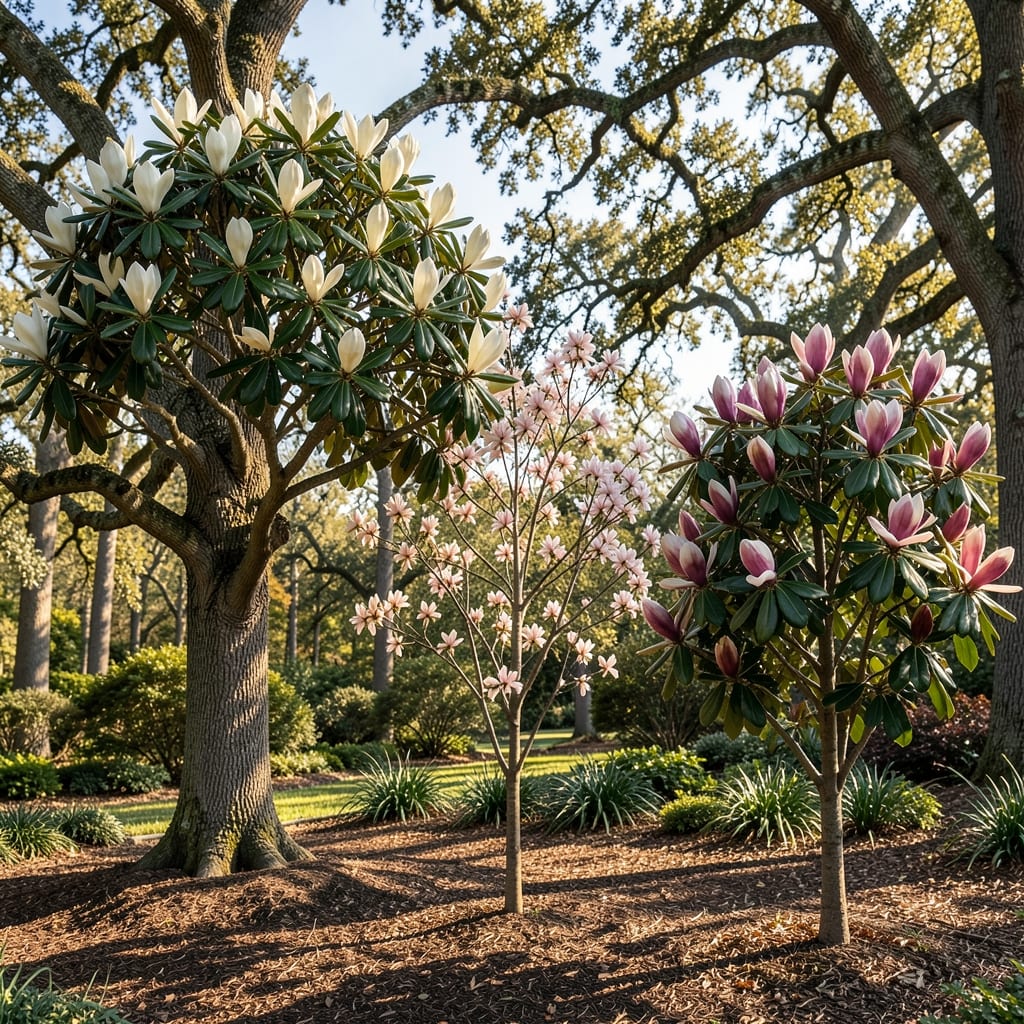
If you’ve ever wondered how tall can magnolia trees grow, the answer might surprise you—some varieties stretch toward the sky like skyscrapers, while others stay cozy enough for a backyard patio. The Southern Magnolia (🌸 Magnolia grandiflora) can reach 80 feet or more, towering over most homes, while dwarf varieties like Little Gem stay under 10 feet, perfect for small spaces.
But height isn’t just about species—climate, soil, and even pruning play a role. In USDA Zone 6a, where fall planting is ideal, magnolias grow slower but still reach impressive sizes over decades. Whether you’re dreaming of a grand specimen or a manageable accent tree, understanding these factors helps you pick the perfect fit for your landscape.
Fast-growing varieties can add 3 feet per year in ideal conditions, while others take their time, maturing over 20+ years. The key? Choosing the right type for your space and giving it the care it needs to thrive. Let’s break down the heights, growth rates, and tips to keep your magnolia happy—no matter how big (or small) you want it to be.
From ancient giants to compact dwarfs, magnolias offer something for every garden. Whether you’re planning a statement tree or a charming patio feature, knowing what to expect helps you make the best choice. Ready to find your perfect match?

Magnolia tree height ranges: from dwarf varieties to towering giants
Magnolia trees are famous for their stunning blooms and lush foliage, but their height potential is what often surprises gardeners. Some varieties grow tall enough to rival redwoods, while others stay small enough for a patio. The Southern Magnolia (🌸 Magnolia grandiflora) is the undisputed champion, reaching heights of 80 to 100 feet in ideal conditions—taller than a 10-story building!
But don’t let that intimidate you. If you’re working with limited space, dwarf magnolias like Little Gem or Black Tulip top out at just 8 to 15 feet, making them perfect for urban gardens or small backyards. The key is choosing the right variety for your landscape goals.
Here’s how magnolia heights break down by category, so you can pick the perfect fit for your space:
The Southern Magnolia is the ultimate statement tree, but its size means it’s best for rural properties or large landscapes. For city dwellers or small gardens, Little Gem or Black Tulip are game-changers—they deliver those iconic magnolia blooms without the space commitment.
Even within a single species, heights can vary. For example, Tulip Magnolias (stellata) typically stay between 15 and 25 feet, but some cultivars like Royal Star can reach 30 feet with proper care. Always check the specific cultivar’s details before planting.
Climate plays a huge role in height. In warmer zones (7–9), magnolias grow faster and taller due to longer growing seasons. In cooler zones (6a–6b), like where I live, growth slows down, but with patience, even a Southern Magnolia can still reach 60+ feet over decades.
Soil quality also affects height. Well-draining, slightly acidic soil (pH 5.0–6.0) helps magnolias thrive, while poor soil can stunt growth. Amending your soil with compost or organic matter before planting gives your tree the best start for reaching its full potential height.
Pruning is another way to control height. While magnolias are not heavy pruners—their blooms form on old wood—you can lightly shape young trees to encourage a bushier form or reduce height by up to 20%. Just avoid heavy pruning after flowering season.
If you’re dreaming of a towering magnolia but worried about space, consider planting a dwarf variety now and letting it grow into a small tree. Or, if you have the room, a Southern Magnolia will become a legacy tree for generations to come. Either way, you’re guaranteed those breathtaking blooms!
Magnolia tree height ranges: from dwarf varieties to towering giants
Magnolia trees come in a stunning range of sizes, from ancient giants that dwarf your home to compact dwarfs perfect for patios. The Southern Magnolia (🌸 Magnolia grandiflora) can soar to 80 feet or taller, while the dwarf varieties like Magnolia 'Little Gem' stay under 10 feet. Understanding these differences helps you choose the right tree for your space and vision.
Height isn’t just about the species—climate, soil quality, and care all play a role. In USDA Zone 6a, where many gardeners plant magnolias in fall (September-November), growth rates slow slightly compared to warmer zones. But with the right conditions, even slow-growing varieties can reach impressive heights over 20+ years.
🌳 Here’s how magnolia heights break down:
| Variety | Mature Height | Growth Rate | Best For |
|---|---|---|---|
| Southern Magnolia (Magnolia grandiflora) | 80–100 ft | Slow (1–2 ft/year) | Large landscapes, shade trees |
| Tulip Magnolia (Magnolia liliiflora) | 20–30 ft | Moderate (2–3 ft/year) | Medium yards, specimen trees |
| Little Gem (Magnolia grandiflora 'Little Gem') | 8–15 ft | Slow (1 ft/year) | Patios, small gardens |
| Star Magnolia (Magnolia stellata) | 15–25 ft | Moderate (1–2 ft/year) | Urban gardens, small estates |
| Saucer Magnolia (Magnolia × soulangeana) | 20–30 ft | Fast (3–4 ft/year) | Quick shade, statement blooms |
🌱 Note: Heights vary by climate and care.
If you’re wondering how fast magnolia trees grow, the answer depends on the variety. Saucer Magnolias can add 3–4 feet per year in ideal conditions, while Southern Magnolias grow just 1–2 feet annually. Pruning young trees can also control height—cutting back 1/3 of new growth in late winter encourages bushier, shorter shapes.
For small spaces, dwarf varieties like Magnolia 'Black Tulip' (10–15 ft) or Magnolia 'Yellow Bird' (15–20 ft) are excellent choices. These low-maintenance trees deliver stunning blooms without overwhelming your yard. Even in USDA Zone 6a, they thrive with well-draining soil and partial shade.
Whether you’re aiming for a backyard canopy or a patio centerpiece, choosing the right magnolia ensures your tree fits perfectly—no matter how tall (or short) you want it to be. 🌿