
Flowers
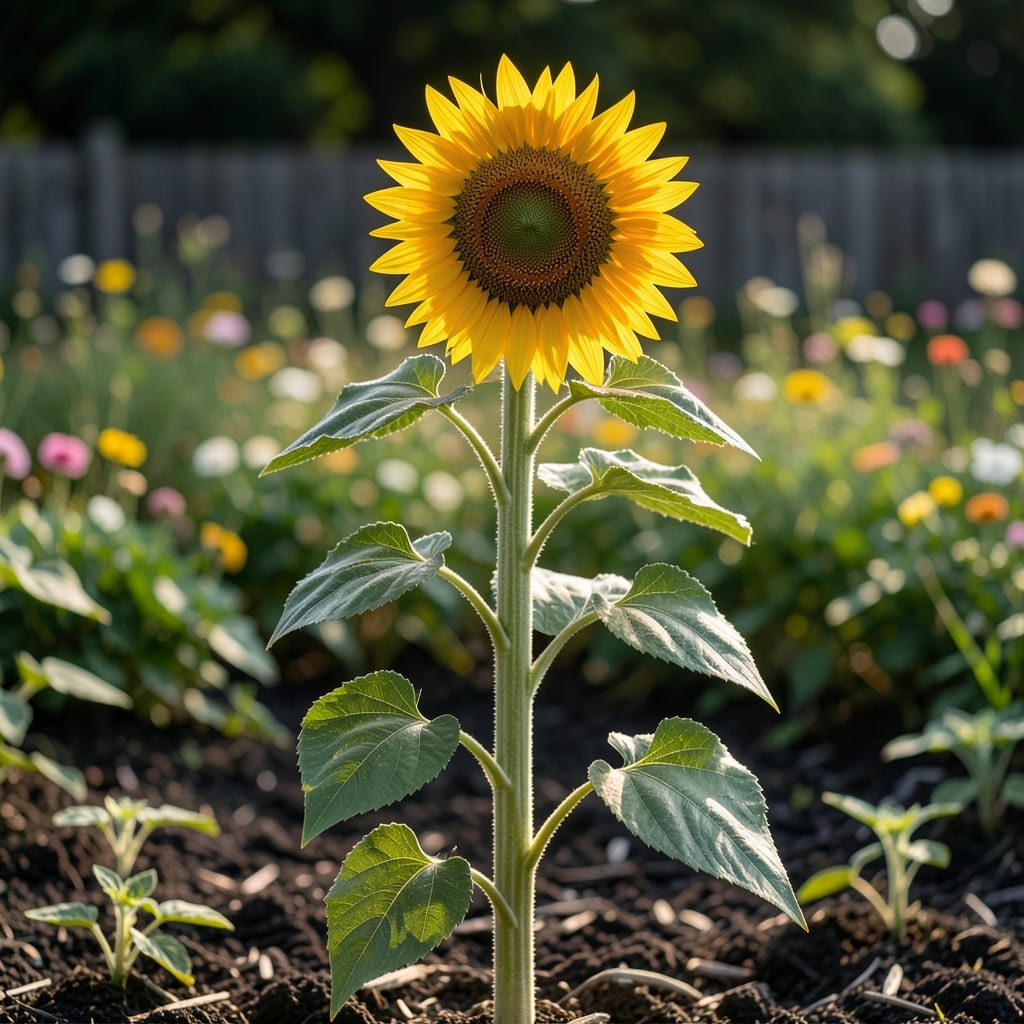
If you’ve ever wondered how tall mammoth sunflowers can grow, the answer might surprise you—these towering giants can reach heights of 10 to 14 feet, making them the ultimate statement piece in any garden.
But how do you coax them to grow that tall? The secret lies in the right conditions—full sun exposure, nutrient-rich soil, and proper spacing. Without these, even the hardiest varieties might fall short of their sky-high potential.
In this guide, I’ll break down everything you need to know: from the tallest varieties to practical tips for managing their size. Whether you’re a seasoned gardener or a beginner, you’ll learn how to grow sunflowers that turn heads—and maybe even your neighbors’ jaws.
Ready to grow a sunflower that rivals a basketball hoop? Let’s dive into the secrets behind their impressive height and how you can nurture them to their full glory.


Mammoth sunflower height records: the tallest varieties and their true growth potential
If you're imagining sunflowers that stretch toward the sky like skyscrapers, you're not far off! The tallest Mammoth sunflower varieties can reach an astonishing 12 to 16 feet, with some exceptional specimens surpassing 18 feet under ideal conditions. These giants aren't just for show—they're a testament to nature's ability to grow when given the right care and environment.
But not all Mammoth sunflowers are created equal. Some varieties lean toward the 10-foot mark, while others push the limits of garden space and structural support. The key to unlocking their full height potential lies in understanding their genetics, growing conditions, and a few clever gardening tricks. Let's explore the tallest varieties and what makes them reach for the sky.
🌻 Mammoth Sunflower Height Comparison
The Russian Giant variety holds the record for the tallest sunflowers, with some specimens reaching heights of 18 feet or more. This variety is a favorite among gardeners who want to make a dramatic statement, but it requires extra care to achieve its full potential. The Mammoth Russian, while slightly shorter on average, is known for its early blooming and resilience, making it a great choice for cooler climates.
Hybrid varieties like the Russian Giant Improved combine the best traits of their predecessors—disease resistance, height, and vigor. These hybrids often outperform heirloom varieties in challenging conditions, making them a smart choice for gardeners who want reliable height with less fuss. However, hybrids may not produce seeds true to type, so if you're saving seeds for next year, heirloom varieties like the Russian Giant are the way to go.
One common misconception is that all Mammoth sunflowers will reach their maximum height without intervention. In reality, genetics set the stage, but environmental factors like sunlight, soil quality, and water availability determine how close your sunflowers will come to their potential. For example, a Russian Giant planted in partial shade might only reach 8–10 feet, while the same variety in full sun with rich soil could easily top 14 feet.
Another factor to consider is the age of the plant. In their first year, Mammoth sunflowers typically reach 8–12 feet, but with proper care, they can continue to grow taller in subsequent years. This is why many gardeners choose to stake their sunflowers early—to provide support as they grow and prevent them from toppling over in wind or rain.
If you're planning to grow Mammoth sunflowers, it's essential to give them plenty of space to spread out. These giants need at least 2–3 feet of space between plants to avoid competition for nutrients and sunlight. Crowding can stunt their growth and lead to weaker stems, which are more prone to breaking. Think of it like giving your sunflowers room to stretch their legs—literally!
Finally, don't forget that climate plays a huge role in how tall your sunflowers will grow. In warmer, sunnier regions like the Southwest or Southeast of the U.S., sunflowers thrive and can reach their maximum heights. In cooler climates, like the Pacific Northwest, you might need to extend the growing season with row covers or choose earlier-maturing varieties to ensure they have enough time to grow tall.
5 Key factors that determine Mammoth sunflower height (and how to optimize them)
If you’re aiming for 14-foot sunflowers, you’ll need to master these five critical factors that directly impact their height. Unlike smaller varieties, Mammoth sunflowers demand precision in care—especially when it comes to nutrients, sunlight, and structural support. Let’s break down what truly makes them grow tall.
The first factor is sunlight exposure. Mammoth sunflowers thrive in full sun (6+ hours daily), but their stems need even more—up to 8–10 hours to reach their maximum height. Plant them in the southernmost part of your garden where they won’t be shaded by trees or taller plants. Even partial shade can stunt their growth by 20–30%, so choose your location wisely.
Many gardeners mistakenly believe that over-fertilizing will produce taller sunflowers, but too much nitrogen leads to leafy growth at the expense of stem strength. Instead, focus on a balanced 10-10-10 fertilizer applied in early summer when the plant is actively growing. I’ve found that a 1 tablespoon per plant every 4–6 weeks yields the best results without risking weak stems.
Watering is another often-overlooked factor. Mammoth sunflowers need deep, infrequent watering—think 1–1.5 gallons per plant—applied at the soil base (never the leaves) to prevent fungal diseases like powdery mildew. I water mine every 2–3 days in summer, but always in the early morning to allow foliage to dry quickly. Avoid evening watering, as damp leaves invite pests.
Staking is non-negotiable for varieties like 'Russian Giant', which can top 15 feet. Install 3–4 foot stakes at planting time and tie stems loosely with soft cloth or old T-shirts—never wire, which can cut into the stem. I’ve seen sunflowers snap under their own weight if not supported, especially in windy conditions. Pro tip: Bury stakes 6 inches deep for stability.
Finally, pruning strategy makes or breaks height potential. Remove side buds when they’re 1–2 inches long to redirect energy to the main stem. Avoid heavy pruning later in the season, as this can reduce flower size. I prune mine in late spring and monitor growth closely—over-pruning can stunt height by up to 3 feet.
With these five factors optimized, you’ll be well on your way to growing sunflowers that outshine the competition—literally. Just remember: patience and precision are key. These giants don’t grow overnight, but the payoff is worth it.