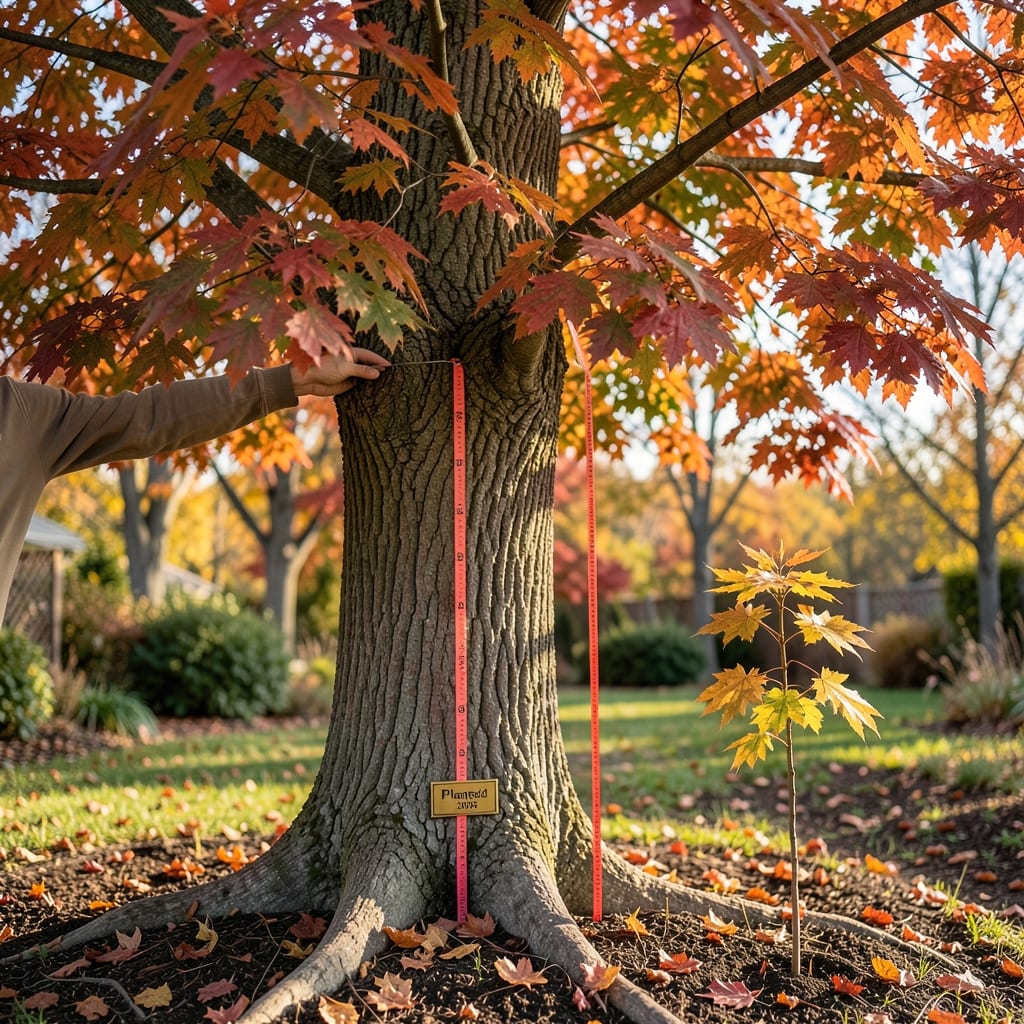
If you’ve ever gazed up at a towering maple tree and wondered how tall can maple trees grow, you’re not alone—some varieties stretch taller than a 4-story building, while others stay compact enough for urban gardens. The 🌳 sugar maple, for example, can reach heights of 75-100 feet in ideal conditions, while Japanese maples often cap at 15-25 feet, making them perfect for smaller spaces.
But what determines whether your maple tree becomes a skyscraper or a shrub? The answer lies in its species, soil quality, and care routine. Whether you’re planting in USDA Zone 6a or another region, understanding these factors is key to shaping your tree’s future height. Let’s break down the secrets behind their staggering growth—and how you can influence it.
For gardeners planning ahead, spacing and pruning are game-changers. A sugar maple planted too close to a house might outgrow its welcome, while strategic pruning can encourage bushier growth or control height. We’ll cover the best practices to ensure your maple thrives without overpowering your landscape.
Ready to turn your backyard into a maple tree haven? Discover which species suit your space, how to monitor growth, and the simple steps to keep your tree at the perfect height—whether you want a shade giant or a charming centerpiece. Let’s get growing!
Maple Tree Height Range
30 ftto120 ft
0 ft
3 ft
6 ft
9 ft
12 ft
🌱
Very Very Tall Tree
Maple tree height records by species: from dwarfs to giants
Maple trees are nature’s skyscrapers, with some species reaching heights that make them the envy of any landscape. The sugar maple (Acer saccharum), for example, can tower over 100 feet tall in ideal conditions, while others like the Japanese maple (Acer palmatum) stay compact at just 15-25 feet. Understanding these differences helps you choose the perfect variety for your space—whether you want a shade-providing giant or a delicate dwarf for containers.
Height isn’t the only factor; growth rate and canopy spread also vary wildly. A red maple (Acer rubrum) might grow 3-4 feet per year in youth, while a silver maple (Acer saccharinum) can shoot up 5 feet annually under ideal conditions. Below, we break down the mature heights of the most popular maple species so you can plan your landscape with precision.
🌳 Did You Know? The tallest recorded maple tree—a sugar maple in Michigan—stands at a staggering 120 feet tall with a trunk diameter of over 5 feet. That’s taller than a 12-story building! 🌲
| Species |
Mature Height |
Growth Rate (Annual) |
Canopy Spread |
| Sugar Maple (Acer saccharum) |
70–100 ft |
1–3 ft |
40–60 ft |
| Red Maple (Acer rubrum) |
40–60 ft |
2–4 ft |
30–50 ft |
| Silver Maple (Acer saccharinum) |
50–80 ft |
3–5 ft |
40–70 ft |
| Japanese Maple (Acer palmatum) |
15–25 ft |
0.5–1 ft |
10–20 ft |
| Norway Maple (Acer platanoides) |
50–70 ft |
2–3 ft |
35–50 ft |
| Boxelder Maple (Acer negundo) |
30–50 ft |
1–2 ft |
25–40 ft |
| Dwarf Maple (e.g., 'Royal Red' cultivar) |
8–12 ft |
0.3–0.5 ft |
6–10 ft |
| Amur Maple (Acer ginnala) |
15–25 ft |
1–2 ft |
15–20 ft |
| Freeman Maple (Acer x freemanii) |
50–70 ft |
2–4 ft |
Factors that influence maple tree height: soil, climate, and care
Maple trees are famous for their dramatic height variations, but their growth isn’t just luck—it’s a mix of natural genetics and environmental conditions. Whether you’re growing a 25-foot Japanese maple in your front yard or a 100-foot sugar maple in a forest, understanding these factors helps you predict and even control how tall your tree will become. Let’s break down the key elements that shape their stature.
One of the biggest influences is soil quality and drainage. Maple trees thrive in well-draining, slightly acidic soil (pH 6.0–7.5), but poor soil can stunt growth. Compacted or waterlogged soil restricts root development, limiting a tree’s ability to reach its full height potential. For example, a red maple planted in rich, loamy soil may grow 20% taller than one in sandy, nutrient-poor soil.
Rich, well-draining soil with organic matter promotes faster growth. Test your soil’s pH and amend with compost if needed.
Full sun (6+ hours daily) maximizes growth, while shade slows it down. A silver maple in partial shade may stay 30% shorter than one in full sun.
Deep, consistent watering (10–15 gallons per week) supports rapid growth. Drought stress can halt height increases, especially in young trees.
Strategic pruning can limit height or encourage bushier growth. Removing vertical leaders early redirects energy to lateral branches.
Climate also plays a role. Maple trees in warmer USDA zones (7–9) often grow faster and taller than those in colder zones (3–6), where growth slows during harsh winters. For instance, a sugar maple in Zone 6 might take 20 years to reach 50 feet, while one in Zone 8 could hit that height in 15 years. Even within your region, microclimates—like urban heat islands—can accelerate growth.
Finally, your care routine directly impacts height. Over-fertilizing with nitrogen can lead to excessive vertical growth at the expense of stability, while balanced fertilization (like 10-10-10 NPK) supports steady, healthy development. If you’re planting near power lines or buildings, consider dwarf or semi-dwarf varieties to avoid future headaches. With the right conditions, even a backyard maple can become a century-old giant—but with poor care, it might stay stunted forever. 🌳
★★★★★4.8(9 reviews)
|