
Size
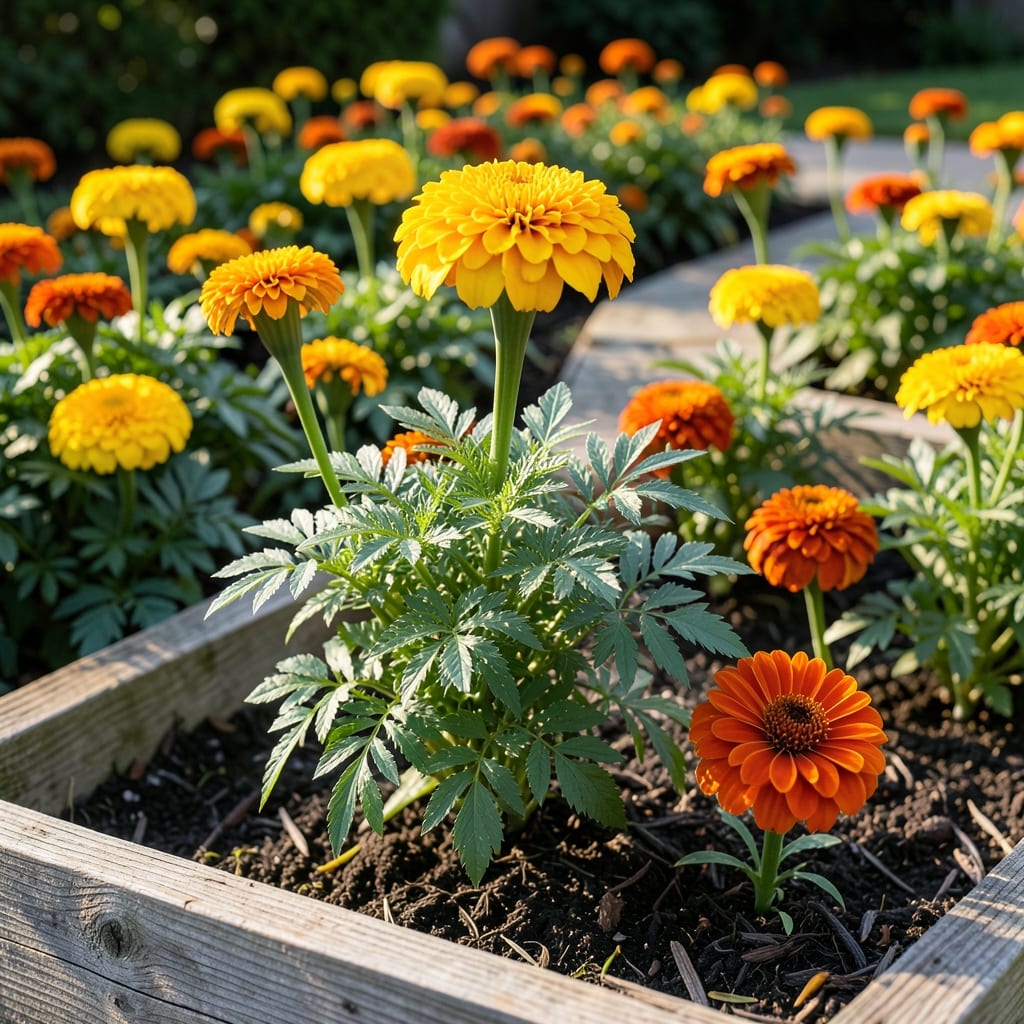
If you’ve ever wondered how tall can marigolds grow before committing to your garden plan, the answer might surprise you—these cheerful 🌼 blooms range from tiny 6-inch companions to towering 3-foot giants, depending on the variety and care you give them.
Dwarf marigolds like ‘Tangerine Gem’ stay compact, perfect for containers or window boxes, while varieties such as ‘African Queen’ can reach heights that rival sunflowers. The key to unlocking their full potential lies in sunlight, soil quality, and even pruning techniques—factors that can push a plant toward the extremes of its height range.
Whether you’re designing a cozy border or a dramatic vertical display, understanding these differences helps you choose the right marigolds for your space. Let’s explore how to maximize their height—or keep them small—so your garden thrives exactly as you envision it.
From space-saving tips for small gardens to strategies for managing tall varieties, you’ll discover how to harness their versatility. Ready to transform your outdoor (or indoor!) space with these sun-loving stars? Let’s get started.


Marigold height ranges: dwarf, medium, and giant varieties explained
Marigolds come in a stunning range of sizes, from tiny 6-inch companions to towering 3-foot giants, making them incredibly versatile for any garden design. Their height is primarily determined by the variety, but sunlight exposure, soil quality, and even pruning techniques can influence how tall—or short—they grow.
The three main height categories—dwarf, medium, and giant—each offer unique benefits. Dwarf varieties are perfect for containers and window boxes, while medium-height plants excel in borders, and giants create dramatic focal points. Understanding these categories helps you choose the right marigolds for your space and design goals.
For example, the ‘Tangerine Gem’ marigold stays under 12 inches tall, ideal for small spaces, while the ‘African Queen’ variety can reach 3 feet or more, making it a standout in larger gardens. The key to unlocking their full potential lies in providing the right growing conditions.
Sunlight is the most critical factor—marigolds thrive in full sun (6-8 hours daily), which encourages taller growth. Poor sunlight can stunt their height, while rich, well-draining soil promotes robust stems. Even pruning habits play a role; regular pinching can keep dwarf varieties compact or encourage bushier growth in taller types.
Let’s break down the height ranges and how to choose the best varieties for your garden’s needs.
Dwarf marigolds, such as ‘Bonanza’ or ‘Baby’ series, are perfect for container gardening or adding pops of color to window sills. Their compact size makes them low-maintenance and ideal for urban gardeners with limited space. These varieties often bloom earlier and more prolifically, offering continuous color from spring to frost.
Medium-height marigolds, like ‘French’ or ‘Signet’ varieties, strike a balance between size and versatility. They’re ideal for garden borders or as companion plants to vegetables like tomatoes and peppers, where their pest-repelling properties shine. These marigolds typically reach 12–24 inches and thrive in well-drained soil with regular watering.
Giant marigolds, such as ‘African Queen’ or ‘Desert Sun’, are the showstoppers of the marigold world. Their tall, sturdy stems can reach 3 feet or taller, making them perfect for backyard focal points or vertical gardens. To support their height, consider staking or trellising to prevent flopping, especially in windy conditions.
One often-overlooked factor in marigold height is pruning. Regularly pinching back the tips of young plants encourages bushier growth and can prevent them from becoming leggy. For taller varieties, pruning also promotes more abundant blooms by redirecting energy from stem growth to flower production.
Whether you’re designing a cozy herb garden or a dramatic landscape feature, choosing the right marigold height ensures your garden thrives with color and purpose. Next, we’ll explore how to control marigold height using simple techniques like spacing, staking, and container gardening.
🌼
How to control marigold height: pruning, spacing, and space-saving tips
Want to keep your marigolds compact and bushy or encourage them to reach their full towering potential? The secret lies in simple techniques like pruning, spacing, and staking—tools that give you full control over their height. Whether you’re working with a 6-inch dwarf or a 3-foot giant, these methods help you shape their growth to fit your garden’s needs perfectly.
For dwarf varieties, focus on pinching back the tips of young plants to encourage branching and a fuller shape. This keeps them low to the ground, ideal for containers, window boxes, or edging. Meanwhile, taller marigolds benefit from staking or trellising to support their stems and prevent flopping—especially in windy conditions or when they’re laden with blooms.
Spacing plays a crucial role too. Overcrowded plants compete for nutrients and sunlight, often resulting in shorter, leggy growth. Give each marigold at least 12 inches of space for dwarf varieties and up to 24 inches for giants to ensure they have room to thrive. Proper spacing also improves airflow, reducing the risk of fungal diseases that can stunt growth.
If you’re working with limited space, consider vertical gardening for taller marigolds. Trellises or obelisks let you grow 3-foot varieties in small areas while keeping them contained. For example, 'Jumbo Yellow' marigolds can climb a trellis, turning a corner of your garden into a vibrant vertical display without taking up valuable ground space.
Don’t forget that soil quality and sunlight also influence height. Well-draining, nutrient-rich soil with plenty of compost encourages robust growth, while 6-8 hours of full sun daily ensures marigolds reach their maximum potential. If your garden lacks sunlight, opt for dwarf varieties that thrive in partial shade, such as 'Bonanza Yellow' or 'Little Devil.'
With these techniques, you can shape marigolds to fit any garden, whether you’re aiming for a neat border, a container garden, or a dramatic backdrop. Experiment with different methods to see what works best for your space—and enjoy the flexibility these versatile plants offer! 🌼