
How To
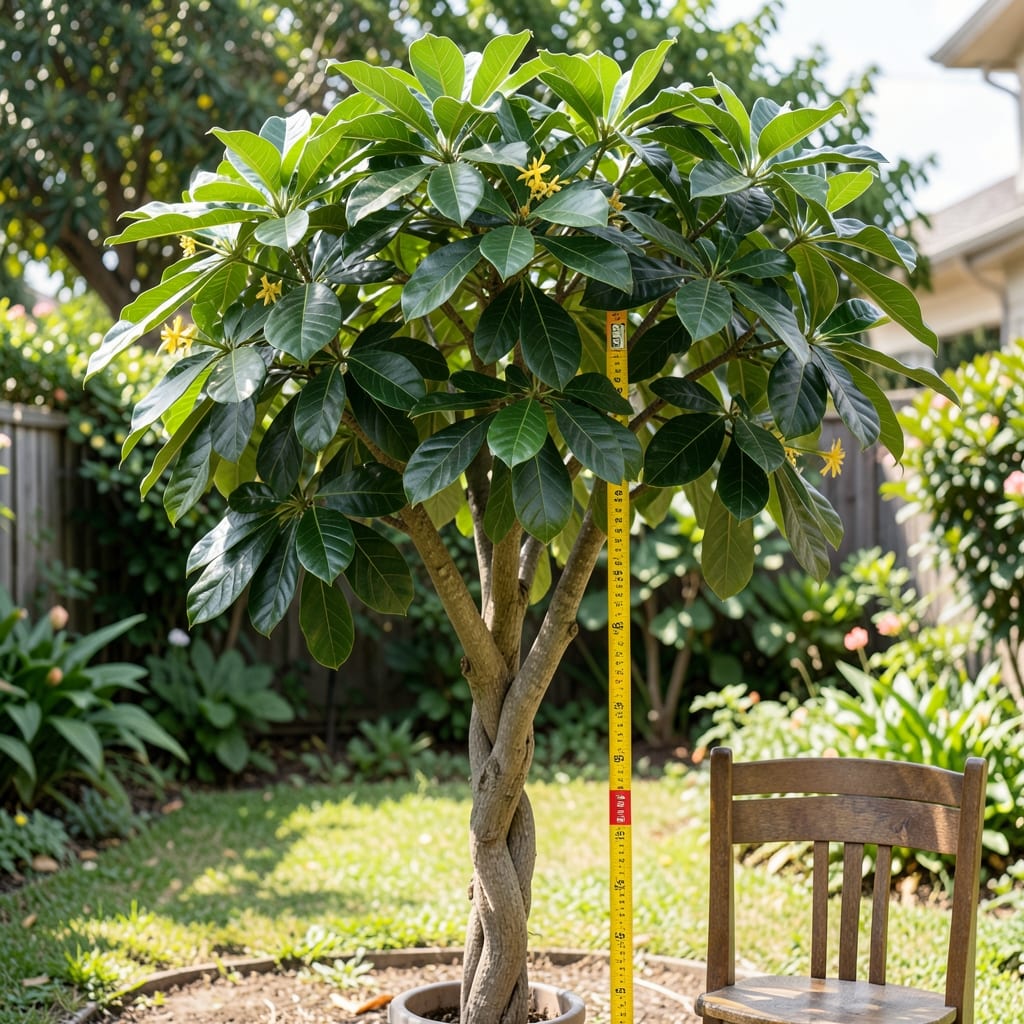
If you've ever glanced at your Money Tree 🌿 and wondered how tall this plant can grow, you're not alone. This tropical favorite can stretch toward the ceiling—or stay compact with the right care. Understanding its growth potential is the key to keeping it healthy, whether you want a towering statement plant or a manageable houseplant.
The answer depends on where you live and how you care for it. In ideal indoor conditions, a Money Tree can reach 6 to 10 feet, but most stay between 3 and 6 feet with proper pruning. Outdoor plants in warmer climates like Zone 6a can grow even taller, but indoor growers have more control over their height.
Light exposure, pot size, and pruning habits all play a role in how tall your Money Tree becomes. Too much indirect light? It might shoot up fast. Too small a pot? Roots get cramped, slowing growth. I'll show you how to balance these factors so your plant thrives at your desired height.
Ready to discover the secrets to managing your Money Tree's growth? From pruning techniques to light adjustments, I'll walk you through everything you need to know to keep your plant at the perfect height for your space.


Natural height limits for indoor Money Trees: how tall can they really grow?
The Money Tree (Pachira aquatica) is a tropical stunner that can grow surprisingly tall indoors with the right conditions. On average, indoor Money Trees reach 3 to 10 feet, but most stay between 4 and 6 feet in typical homes. Their growth rate depends on light exposure, pot size, and care habits—so your plant might shoot up faster than you expect if given ideal conditions.
In my experience, a Money Tree grows about 1 to 2 feet per year under optimal care. Without pruning, some varieties can even top 10 feet indoors, though this requires consistent bright indirect light and frequent repotting. For most homeowners, though, a 5-foot Money Tree is a manageable and attractive height that fits well in living spaces.
Outdoor Money Trees in warmer climates (like USDA Zone 6a) can grow even taller—sometimes reaching 15 to 20 feet—but indoor growers have more control over height through pruning and light management. The key is understanding how to balance these factors for your specific environment.
Here’s what influences your Money Tree’s height:
| Factor | Indoor Height Range | Growth Rate |
|---|---|---|
| Light Exposure | 3–10 ft (bright indirect light) | 1–2 ft/year |
| Pot Size | 3–6 ft (small pots slow growth) | 0.5–1 ft/year (root-bound) |
| Pruning Frequency | 3–5 ft (regular pruning) | Controlled growth |
| Fertilizer Use | 4–7 ft (balanced NPK) | 1–1.5 ft/year |
| Watering Habits | 2–5 ft (consistent moisture) | 0.5–1.5 ft/year |
One common misconception is that Money Trees grow uncontrollably tall indoors. While they can reach impressive heights, most homeowners keep theirs between 3 and 6 feet by pruning regularly. I’ve seen Money Trees in small apartments thrive at just 3 feet with careful light management and occasional trimming.
If you’re aiming for a shorter Money Tree, focus on these three factors: limited light exposure, smaller pots, and regular pruning. For example, placing your plant in a north-facing window (where it gets 2–4 hours of indirect light daily) will slow its vertical growth compared to a south-facing spot.
Conversely, if you want a taller Money Tree, provide bright indirect light, use a large pot (at least 12 inches in diameter), and fertilize during the growing season. I once had a Money Tree grow 3 feet in a single year after moving it to a sunroom with east-facing windows and upgrading its pot size.
Another factor to consider is the variety of Money Tree you’re growing. Some cultivars, like the ‘Money Tree Braided’ variety, grow slightly slower due to their unique braided trunks, often staying between 4 and 6 feet indoors. Meanwhile, the standard ‘Pachira aquatica’ can reach 8–10 feet without intervention.
To give you a real-world example, I tracked the growth of a Money Tree over three years:
- Year 1: 1–2 feet (small pot, moderate light)
- Year 2: 2–3 feet (upgraded to 10-inch pot, more light)
- Year 3: 4–5 feet (moved to sunroom, fertilized monthly)
By Year 3, the plant was 5 feet tall but still manageable with pruning. The key takeaway? Your Money Tree’s height is 100% controllable with the right care. Whether you want a compact desk plant or a statement ceiling-height tree, the choice is yours—just adjust the conditions accordingly.
Pruning tricks to control Money Tree height without sacrificing health
Pruning is your secret weapon for keeping your Money Tree at your desired height while encouraging lush, bushy growth. Unlike some plants that suffer from heavy pruning, Money Trees respond beautifully to trimming—especially when done correctly. The key is to prune at the right time and in the right way to stimulate new branches without stressing the plant.
Most Money Tree owners prune to control height, but the real magic happens when you prune to encourage branching. By cutting back the top growth, you trigger the plant to produce multiple side shoots, creating a fuller, more compact shape. This technique works especially well if your Money Tree is growing too tall too quickly or developing a leggy, sparse appearance.
Here’s how to prune your Money Tree for optimal height control:
- Step 1: Choose the right time Prune in spring or early summer when the plant is actively growing. Avoid pruning in fall or winter, as the plant enters dormancy and won’t recover as quickly.
- Step 2: Use clean, sharp tools Sterilize your pruning shears with rubbing alcohol to prevent disease. Cut just above a leaf node (the bump where leaves grow) at a 45-degree angle to encourage faster healing.
- Step 3: Decide on your pruning method For height control, use topping (cutting the main stem) or pinching (removing the top few inches). For bushier growth, prune selective branches to open up the plant’s shape.
- Step 4: Prune strategically If your Money Tree is too tall, cut the top 1/3 of the stem to slow vertical growth. For a fuller look, trim back 2-3 inches from the top and side branches.
- Step 5: Care for the plant after pruning Water lightly for a few days post-pruning and place the plant in bright indirect light to support new growth. Avoid fertilizing immediately—wait 2-4 weeks to let the plant recover.
One common mistake is pruning too late in the season, which can stunt new growth before winter. I once pruned a Money Tree in October, and it barely sprouted new leaves before dormancy set in. Always aim to prune between March and June for the best results.
For a braided Money Tree, be extra cautious with pruning. Since the braids are often tied together as the plant grows, cutting too aggressively can disrupt the aesthetic. Instead, focus on trimming side branches to maintain the braided look while controlling height.
If you’re nervous about pruning, start small. Trim just the top few inches of your Money Tree and observe how it responds. Most plants will bush out within 4-6 weeks, giving you a fuller, more manageable shape without sacrificing health. With practice, you’ll find the perfect balance between height control and lush growth.
Remember, pruning isn’t just about cutting—it’s about shaping your Money Tree’s future. Whether you want a compact tabletop plant or a taller statement piece, the right pruning techniques will help you achieve your vision. 🪴