Trees
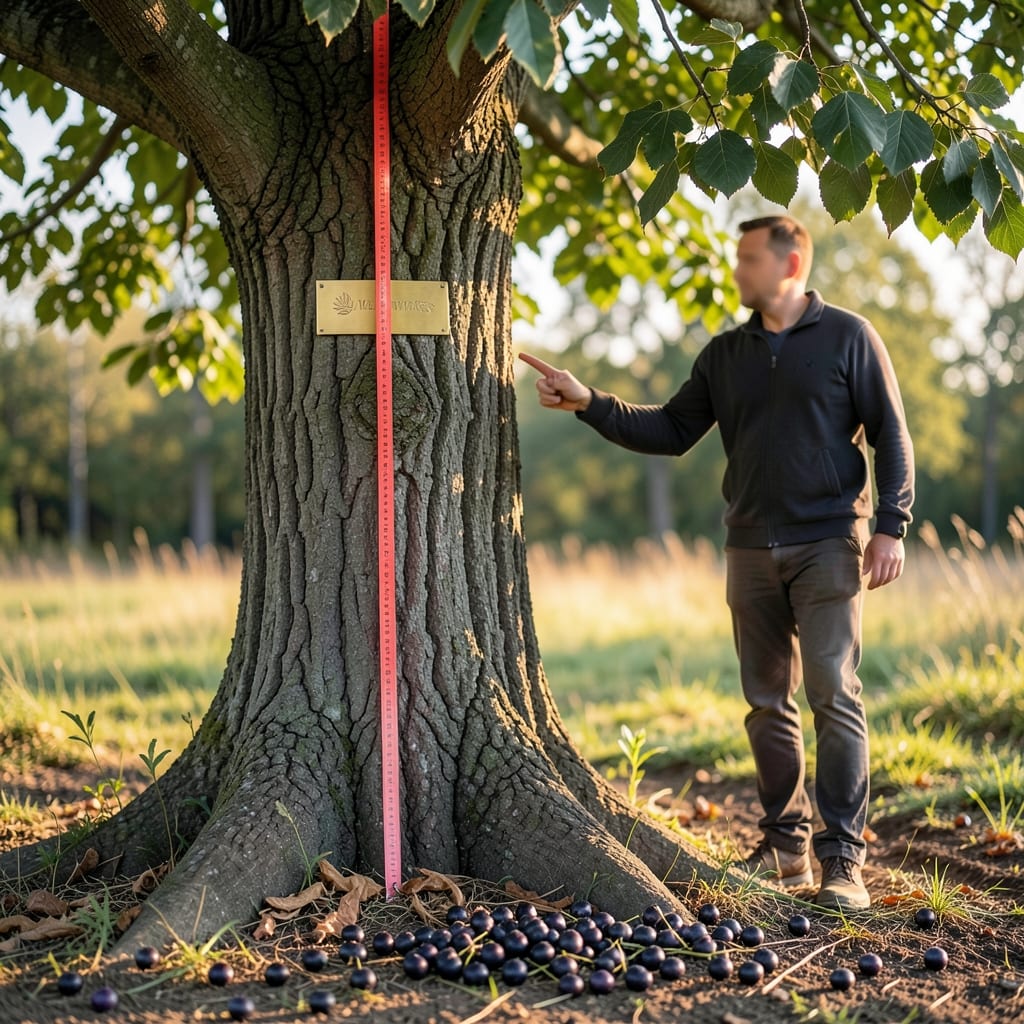
If you're wondering how tall can mulberry trees grow, the answer might surprise you—these fast-growing trees can range from compact 10-foot dwarfs to towering 60-foot giants, depending on the variety and growing conditions. Whether you're dreaming of a backyard fruit tree or a shade-providing landscape centerpiece, understanding the height potential is key to choosing the right mulberry for your space.
The 🌳 Mulberry Tree isn't one-size-fits-all—some varieties like the Illinois Everbearing stay manageable at 15-20 feet, while others, like the common mulberry, can reach heights that dwarf even the tallest two-story homes. For gardeners in USDA Zone 6a, where these trees thrive, knowing the growth habits helps you plan for both beauty and practicality.
But here's the good news: with the right care, you can influence your mulberry's height. Strategic pruning, proper spacing, and even selecting dwarf cultivars can help you keep your tree at a manageable size—whether you're working with a small urban yard or a spacious rural plot. Let's explore how to make the most of your mulberry's growth potential.
From compact varieties perfect for containers to massive shade trees, we'll cover everything you need to know to choose, grow, and maintain a mulberry tree that fits your space—and your lifestyle. Ready to find the perfect match for your garden?


Mulberry tree height by variety: dwarf to giant species compared
When researching how tall can mulberry trees grow, you'll quickly discover that these trees aren't one-size-fits-all. The height potential varies dramatically between species and cultivars, with some reaching 60 feet while others stay under 15 feet. Understanding these differences is crucial for selecting the right mulberry for your space, whether you're working with a small urban yard or a spacious rural property.
The common mulberry (Morus alba) typically grows the tallest, often reaching 50-60 feet at maturity, while the Illinois Everbearing cultivar stays much more manageable at 15-20 feet. For gardeners in USDA Zone 6a, where mulberries thrive, choosing the right variety can mean the difference between a manageable backyard tree and an overwhelming landscape giant.
Let's explore the height ranges of popular mulberry varieties to help you make an informed decision. Whether you're looking for a shade tree, fruit-bearing option, or a compact specimen for containers, there's a mulberry that fits your needs.
| Variety | Mature Height | Growth Rate | Best For |
|---|---|---|---|
| Common Mulberry (Morus alba) | 50-60 ft | Fast (3-5 ft/year) | Shade, large landscapes |
| Black Mulberry (Morus nigra) | 40-50 ft | Moderate (2-4 ft/year) | Fruit production, orchards |
| Illinois Everbearing | 15-20 ft | Moderate (1-2 ft/year) | Small yards, containers |
| Dwarf Mulberry | 10-15 ft | Slow (1 ft/year) | Urban gardens, bonsai |
| Red Mulberry (Morus rubra) | 30-40 ft | Moderate (2-3 ft/year) | Native landscapes, wildlife |
| White Mulberry (Morus alba 'Pendula') | 25-35 ft | Moderate (2 ft/year) | Weeping varieties, ornamental |
The common mulberry and black mulberry are the tallest varieties, often requiring significant space for their mature height. If you're working with limited yard space, consider the Illinois Everbearing or dwarf mulberry, which are specifically bred to stay compact. These varieties are ideal for urban gardens or even large containers, making them perfect for city dwellers or those with small backyards.
For those interested in fruit production, the black mulberry and red mulberry are excellent choices, though they require more space. The Illinois Everbearing is a great compromise, offering abundant fruit while remaining manageable in height. Always consider your local climate and soil conditions, as these can influence growth rates and final height.
If you're planting mulberries for shade, the taller varieties like the common mulberry will provide ample coverage, while the weeping white mulberry offers a beautiful, ornamental shape without taking up as much horizontal space. For wildlife gardens, the red mulberry is an excellent choice, attracting birds and other pollinators while providing food for wildlife.
When selecting a mulberry tree, consider not only its mature height but also its growth rate and spread. Some varieties, like the common mulberry, can grow 3-5 feet per year, while others, like the dwarf mulberry, grow much more slowly. This difference can significantly impact how quickly your tree fills out its space and when it will start producing fruit.
For gardeners in USDA Zone 6a, where mulberries thrive, proper planting spacing is essential. Taller varieties should be planted at least 30-50 feet apart, while dwarf and semi-dwarf varieties can be spaced closer together, around 15-20 feet. Always check the specific spacing recommendations for your chosen variety to ensure healthy growth and development.
Whether you're dreaming of a towering shade tree or a compact fruit-bearing specimen, there's a mulberry variety that fits your needs. By understanding the height potential of each type, you can make an informed decision that ensures your mulberry thrives in your garden for years to come. 🌳
How to control mulberry tree height: pruning and grafting tips
Once you've chosen your mulberry variety, you might wonder how to control mulberry tree height to fit your space. The good news is that with the right techniques, you can keep even fast-growing varieties like the common mulberry at a manageable size. Pruning is the most effective way to manage height, especially when done at the right time and with the right approach.
For young mulberry trees, focus on structural pruning in late winter or early spring before new growth begins. This helps establish a strong framework while keeping the tree's height in check. Remove any suckers or water sprouts that appear at the base or along branches—they can quickly turn your compact tree into a towering giant if left unchecked.
If you're dealing with an established mulberry that's already too tall, crown reduction is your best bet. This involves selectively trimming back the upper branches to reduce the overall height while maintaining the tree's natural shape. Always use sterilized pruning tools to prevent disease transmission between cuts.
- 🌱 Timing: Prune in late winter (before buds swell) or summer (after harvest)
- ✂️ Tools: Use sharp pruners and sterilized saw for thick branches
- 🌿 Remove: Dead wood, crossing branches, and suckers at base
- 📏 Height Control: Cut 1/3 of new growth to limit vertical expansion
- 🌳 Shape: Maintain open center for airflow and light penetration
For those interested in dwarf mulberry varieties, consider root pruning during transplanting. This technique involves trimming the root ball to encourage slower growth and maintain compact size. Combine this with regular top pruning to keep your tree at the desired height.
Another advanced technique is grafting, which allows you to control the final height by combining a dwarf rootstock with a desired scion variety. This method is more complex but offers precise control over your mulberry's growth pattern. Many nurseries offer pre-grafted dwarf mulberries if you're not ready to DIY.
Remember that mulberry trees grow fastest in full sun and rich soil. If you're struggling to control height, consider limiting water slightly during the growing season—this can slow down vertical growth without harming the tree. Always monitor your tree's response to pruning and adjust your approach as needed.
With consistent care, even the tallest mulberry varieties can be kept at a manageable height. Whether you're pruning for fruit production, aesthetic shape, or simply to fit your space, these techniques will help you maintain a healthy, happy mulberry tree that fits your garden perfectly. 🪴