Vegetables
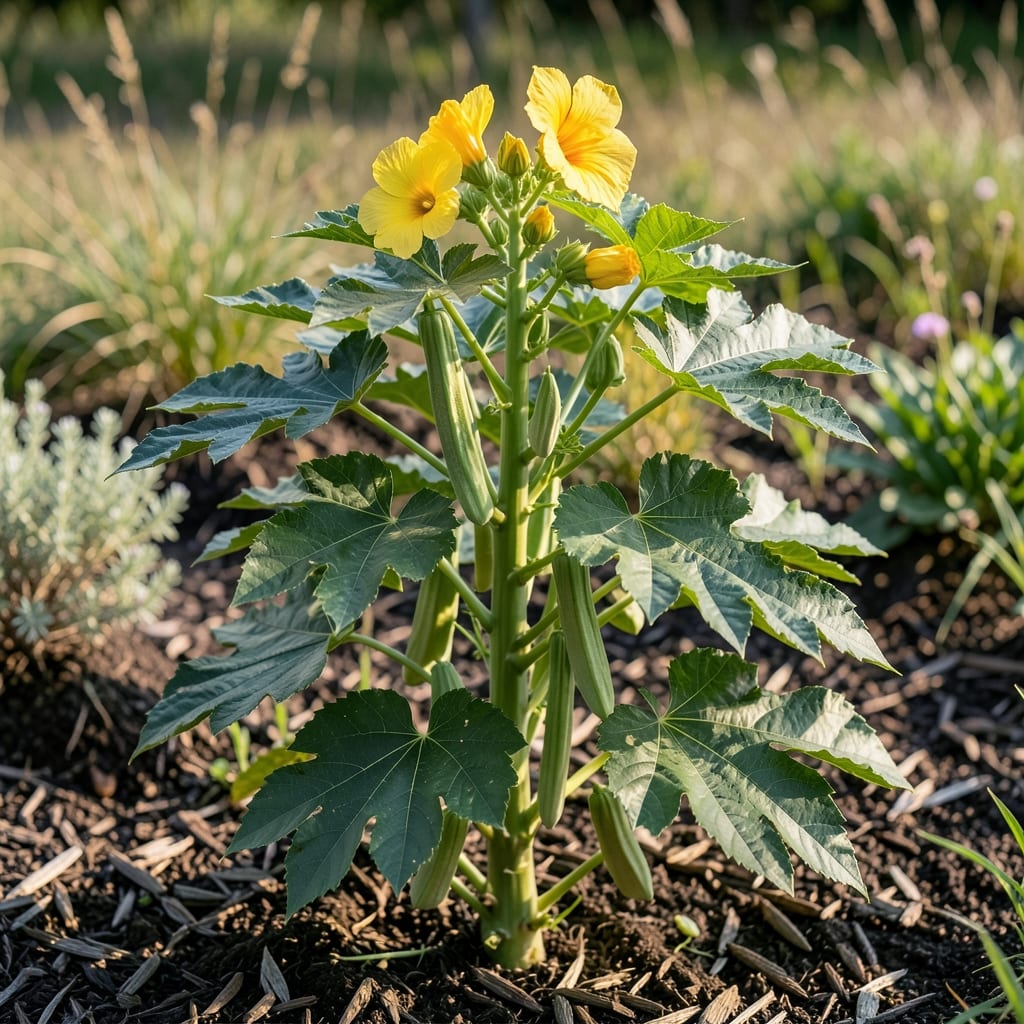
If you're planning your garden this spring, knowing how tall can okra plants grow is key to making the most of your space. These 🌱 okra giants can stretch from just 3 feet to towering 10+ feet, depending on the variety and growing conditions.
For gardeners in USDA Zone 6a, where planting happens after the last frost in April or May, understanding these growth patterns helps you decide whether to go for compact varieties or let your okra reach for the sky. Some types, like 'Clemson Spineless,' can grow over 6 feet, while others stay more manageable for smaller gardens.
But here's the thing: height isn't just about space—it's also about yield and care. Tall okra needs proper support, while dwarf varieties might need extra attention to keep them productive. Whether you're working with a backyard plot or containers, knowing these details will help you grow healthier, happier plants.
Let's break down the different heights you can expect, what influences their growth, and how to manage them—so you can make the most of your spring planting and enjoy a bountiful harvest from June to October.


Okra plant height by variety: from compact to sky-high
Okra plants are famous for their rapid vertical growth, but not all varieties reach the same towering heights. Most okra varieties mature between 4 to 12 feet, with some dwarf types staying as short as 2 to 3 feet. Understanding these differences helps you choose the right variety for your garden space, whether you have a sprawling backyard or a cozy container setup.
The tallest okra varieties, like Clemson Spineless and Emerald, can shoot up to 10 feet or more under ideal conditions. These are perfect for larger gardens or if you want to maximize pod production without sacrificing space. Meanwhile, dwarf varieties like Burgundy or Red Rambler stay compact, making them ideal for small gardens or urban containers.
Here’s the key: okra height varies by variety, climate, and growing conditions. A plant in a hot, sunny climate might grow taller than one in a cooler region. Even within the same variety, pruning and spacing can influence how tall your okra becomes. For example, Red Burgundy typically stays under 5 feet, while Clemson Spineless can easily exceed 8 feet if left unchecked.
🌱
| Variety | Mature Height | Best For |
|---|---|---|
| Clemson Spineless | 8–12 ft | Large gardens, high yield |
| Emerald | 6–10 ft | Hot climates, long seasons |
| Red Burgundy | 3–5 ft | Containers, small spaces |
| Jinhee | 4–6 ft | Early harvest, cooler regions |
| Arkansas Little Lightning | 2–3 ft | Dwarf, urban gardens |
*Height varies by growing conditions and pruning practices.
If you’re growing okra in containers, opt for dwarf varieties like Arkansas Little Lightning or Red Rambler. These stay under 3 feet, making them perfect for balconies or patios. Even so, container size matters—use at least a 5-gallon pot to accommodate roots and provide support for taller varieties.
For large gardens, taller varieties like Clemson Spineless or Emerald thrive when spaced 3 to 4 feet apart. This spacing prevents overcrowding, which can stunt growth or lead to pests and diseases. If you’re short on space, consider trellising—okra’s vining habit makes it a great candidate for vertical gardening, saving ground space while still maximizing height.
One common misconception is that all okra grows tall. In reality, height is influenced by genetics, sunlight, and care. For instance, Jinhee okra, a Korean heirloom, matures at 4–6 feet and is well-suited for shorter growing seasons. Meanwhile, tropical varieties like Emerald can stretch toward 12 feet in warm climates.
🌿
To ensure your okra reaches its optimal height, focus on soil quality, sunlight, and regular harvesting. Overripe pods can signal the plant to focus on height over fruit production. By pruning side shoots and harvesting pods frequently, you encourage bushier growth and prevent your okra from becoming a 10-foot tower in a small garden.
Pro tip: If you’re growing okra in cooler climates, choose varieties like Jinhee or Arkansas Little Lightning. These adapt better to shorter seasons and still produce abundant pods without excessive height. For hot, humid regions, taller varieties like Clemson Spineless excel, provided they have ample space to spread.
Factors that influence okra plant height and how to control growth
Understanding what makes okra plants grow tall—or stay short—helps you manage their height effectively. The primary factors influencing okra height include sunlight exposure, soil fertility, pruning practices, and watering habits. For example, okra grown in full sun (6+ hours daily) will naturally reach its maximum height potential, while shade or partial sun can stunt growth. In USDA Zone 6a, where summers are warm but not extreme, okra typically grows 6–10 feet if given ideal conditions.
Soil quality plays a huge role in height regulation. Okra thrives in well-draining, nutrient-rich soil with a pH of 6.0–6.8. If your soil lacks nitrogen or phosphorus, your plants may grow taller but weaker, with fewer pods. To prevent this, amend your soil with compost or balanced fertilizer (10-10-10) before planting. Over-fertilizing with nitrogen, however, can lead to excessive foliage growth at the expense of pods, making plants even taller but less productive.
🌱
🌿 Key Factors Controlling Okra Height
6–8 hours daily = full height; less sun = shorter growth
Balanced NPK = healthy height; too much N = leggy growth
Regular pruning = bushier, shorter plants; no pruning = tall, spindly
Consistent moisture = steady growth; drought stress = stunted height
Pruning is one of the most effective ways to control okra height. If you’re growing tall varieties like Clemson Spineless and want to keep them manageable, prune side shoots regularly to encourage bushier growth. Focus on removing suckers (small shoots at the base) and overly long branches. This not only reduces height but also boosts pod production by redirecting energy to fruit-bearing areas. For container-grown okra, pruning is especially important—without it, even dwarf varieties can become top-heavy and unstable.
Spacing also impacts height indirectly. Okra plants need adequate airflow to prevent diseases like powdery mildew, which can weaken stems and cause them to grow erratically tall in search of light. In large gardens, space plants 3–4 feet apart for tall varieties and 1–2 feet apart for dwarf types. If you’re trellising okra, provide sturdy support (like bamboo stakes or wire cages) to guide vertical growth without overcrowding. This method works well for Emerald okra, which can reach 10+ feet but benefits from structured support.
Another critical factor is watering consistency. Okra plants hate drought stress, which can cause them to grow too tall too quickly in an attempt to reach moisture. Water deeply 2–3 times per week during the growing season, ensuring the soil stays 1–2 inches moist at all times. In hot climates, you may need to water daily, especially for tall varieties like Emerald. Overwatering, however, can lead to root rot, which stunts growth entirely. The key is balance—consistent moisture without waterlogging.
🪴
If you’re growing okra in containers or small spaces, choose dwarf varieties and combine these techniques for optimal results. For example, Arkansas Little Lightning (2–3 feet) thrives in 5-gallon pots with regular pruning and morning watering. Even with dwarf varieties, trellising can help—attach a small stake to the pot and gently guide the plant upward to save space. For larger gardens, focus on proper spacing and pruning to prevent overgrowth, especially if you’re growing Clemson Spineless, which can easily exceed 8 feet without management.