
Trees
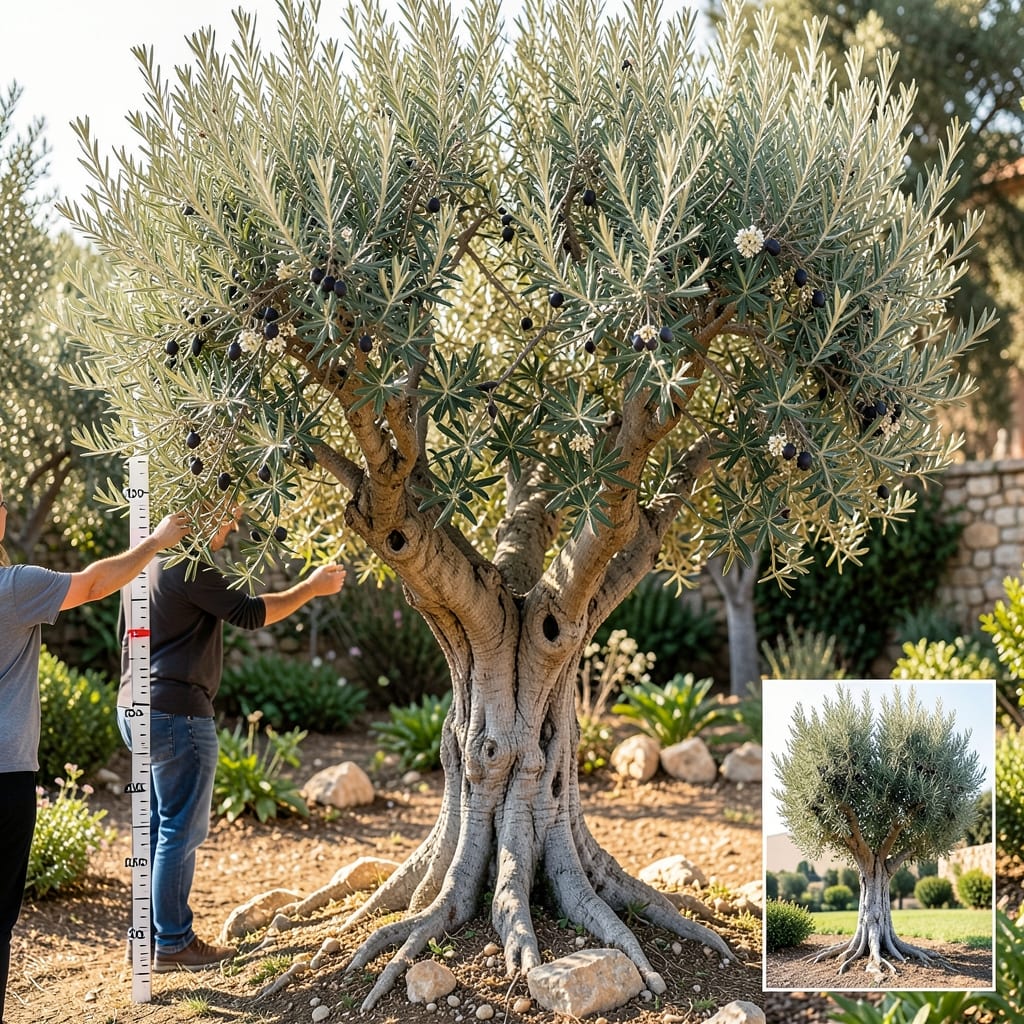
If you’ve ever wondered how tall olive trees can grow—from a cozy 8 feet to a soaring 80 feet—you’re not alone. The truth is, olive trees can stretch toward the sky like a Mediterranean sentinel, or stay compact enough for a patio centerpiece, depending on the variety and care you provide.
Picture this: a dwarf Arbequina tucked neatly in a container on your patio, while a wild Frantoio stretches toward your roof like a sun-seeking giant. The difference isn’t just luck—it’s science, pruning, and a little bit of planning. Whether you’re dreaming of a shady canopy or a compact centerpiece, knowing your tree’s potential height is the first step to making it work for your space.
But here’s the catch: even the tallest olive trees start small. That 2-foot sapling you plant in spring could become a 50-foot monument in decades—or stay a 6-foot potted treasure if you choose the right variety. The key? Understanding the growth habits of popular olives and how to guide them toward your vision.
Ready to stop guessing and start growing? I’ll walk you through the exact heights of top varieties, how to control growth with pruning, and whether your dream 🫒 Olive Tree is better suited for a container or a full backyard. Let’s get started.


Olive tree height by variety: from dwarf to towering giants (with real measurements)
If you’re planning your garden layout or dreaming of a patio-sized olive tree, knowing the mature height of your chosen variety is essential. Olive trees (Olea europaea) come in a stunning range—from dwarf cultivars that fit snugly in containers to ancient giants that dwarf two-story homes. The variety you pick isn’t just about aesthetics; it determines whether you’ll need a pruning saw or a ladder in 20 years.
Most olive trees fall into three height categories: dwarf (4–12 ft), semi-dwarf (12–18 ft), and standard (20–50+ ft). Wild or neglected olive trees can even reach 80 feet in ideal Mediterranean conditions. But here’s the kicker: even the tallest trees grow slowly—expect 1–2 feet per year in optimal conditions. That means your 2-foot sapling today could become a 30-foot shade provider in three decades.
Let’s break down the exact heights of popular varieties so you can pick the perfect fit for your space. Whether you’re aiming for a container-friendly Arbequina or a statement-making Frantoio, this table gives you the real measurements—no guesswork.
Notice how dwarf varieties like Arbequina and Little Ollie are perfect for containers or small spaces, while standard types like Frantoio or Manzanillo need room to stretch their branches. If you’re growing olives for fruit production, taller varieties like Mission yield more—but they’ll also dominate your backyard. For urban gardens, stick to dwarf or semi-dwarf types and prune regularly to keep them in check.
Pro tip: Rootstock matters. Many dwarf olives are grafted onto semi-dwarf or standard rootstock, which can influence their long-term growth. Always check the nursery’s description to avoid surprises. For example, an Arbequina grafted onto a wild olive rootstock might grow taller than expected over time.
Now, let’s talk growth rates. While olive trees are slow growers, some varieties like Manzanillo can add 2 feet per year if given ideal conditions: full sun (6+ hours/day), well-draining soil, and minimal water stress. In contrast, dwarf varieties like Little Ollie grow at a more manageable 6–12 inches per year, making them easier to manage in tight spaces.
Before you plant, measure your space. A 30-foot Mission olive needs at least 20 feet of clearance from structures, power lines, and other trees. And if you’re dreaming of a century-old olive tree, remember: those giants took decades to reach their majestic heights. Start small, plan for the future, and choose a variety that fits your vision—and your yard!
🌳
How to control olive tree height: pruning techniques for small spaces
If your olive tree is growing faster than your patience for a rooftop canopy, don’t panic—pruning is your secret weapon. The right cuts at the right time can keep your tree at 6 feet or below, even if its wild relatives reach 80 feet. The key? Timing, technique, and a little strategic planning. I’ve pruned dwarf Arbequinas in pots and standard Frantoios in backyards, and I’ll share exactly how to tame even the most ambitious growers.
Start with the basics: prune in late winter or early spring, just before new growth begins. This is when your tree is dormant but about to burst into action—perfect for shaping without stressing it. Avoid heavy pruning in summer or fall, as this can encourage weak, disease-prone growth before winter. Think of it like giving your tree a haircut right before it hits the gym—timing makes all the difference.
🌱Pro Tip: Always use sterilized, sharp pruners to make clean cuts. Dull tools crush branches, leaving ragged wounds that invite pests and disease. I swear by bypass pruners for small branches and a pruning saw for thicker limbs. And never prune more than 25% of the canopy in one session—this keeps your tree healthy and encourages balanced growth.
Step-by-Step Pruning Guide for Height Control
- 📋 Step 1: Assess Your Tree Look for suckers (shoots growing from the base or trunk) and water sprouts (fast-growing vertical shoots). These are your first targets—they steal energy from your desired structure.
- 📋 Step 2: Prune for Structure Remove 1/3 of the oldest branches to open the canopy to sunlight. Aim to keep the lowest branches 3-4 feet off the ground to prevent crowding and make future pruning easier.
- 📋 Step 3: Thin Out Crowded Branches Cut back crossing or rubbing branches first—they’ll compete for space and sunlight. Thin from the inside of the tree outward to improve airflow and reduce disease risk.
- 📋 Step 4: Shape for Desired Height For compact trees, trim the topmost growth by 1/3 to encourage bushier growth. For standard trees, focus on removing vertical leaders that shoot upward uncontrollably.
- 📋 Step 5: Clean Up and Seal Remove all dead or diseased branches and sterilize your tools with rubbing alcohol. Seal larger cuts (over 1/2 inch) with pruning sealant to prevent infection.
For container-grown olive trees, pruning is even more critical—root-bound trees grow slower but can become top-heavy without proper support. I recommend pruning every 6-8 weeks during the growing season to maintain shape and prevent the pot from tipping. And if you’re growing a dwarf variety, a little extra trimming can keep it at 4-5 feet even in a 15-gallon pot.
✂️ Common Mistakes to Avoid: Never prune in fall or winter (it encourages late-season growth that won’t harden off before frost), and avoid over-pruning—this stresses the tree and can lead to dieback. I’ve seen gardeners accidentally turn a 6-foot tree into a stunted mess by cutting too aggressively. Patience and precision are key!
With the right pruning routine, you can keep your olive tree at any height you desire—whether it’s a patio-sized statement piece or a backyard giant. Start small, observe how your tree responds, and adjust your approach. Before you know it, you’ll have a perfectly sized olive tree that fits your space—and your dreams. 🌳