
How To
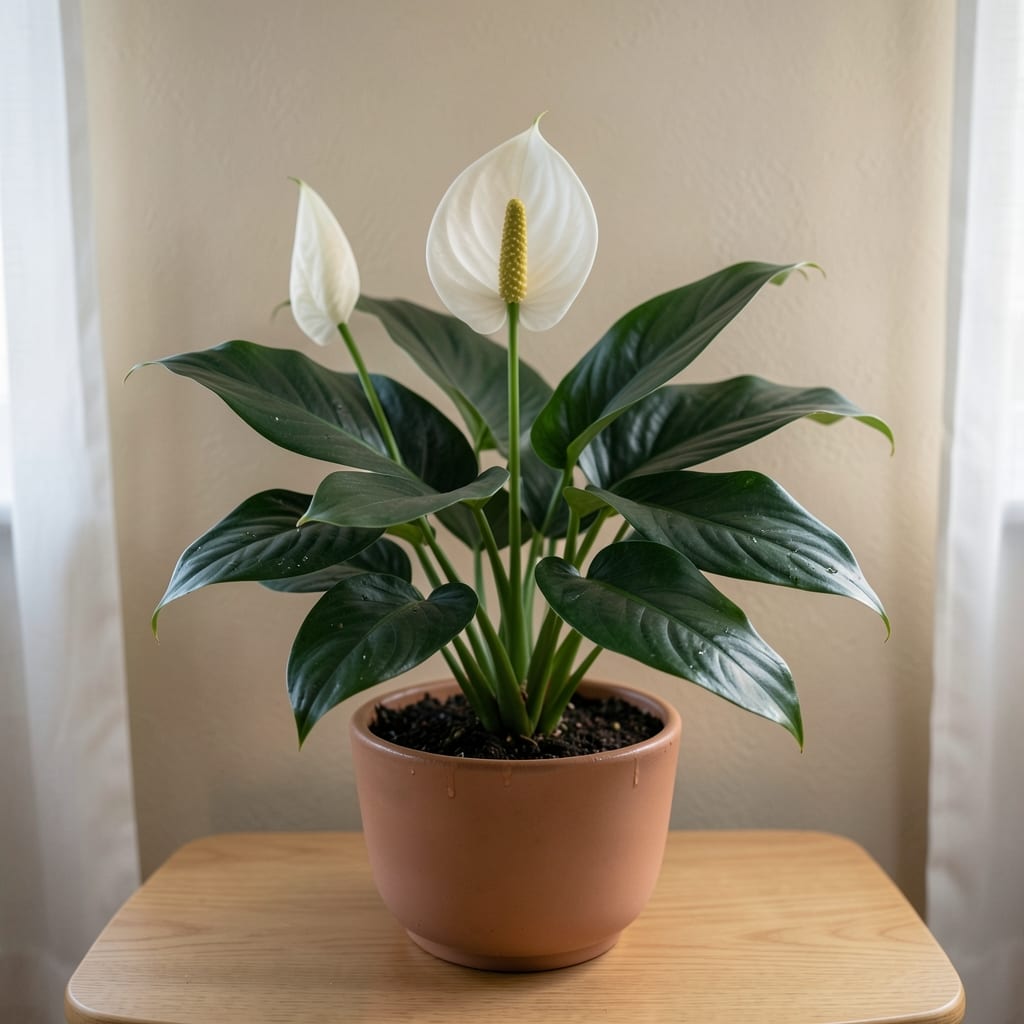
If you're curious about how tall can peace lily grow, the answer might surprise you—this elegant 🌿 can stretch from a modest 2 feet to a dramatic 4 feet indoors, depending on care and variety. Whether you're dreaming of a lush, floor-filling statement plant or a compact tabletop beauty, understanding the growth factors is key to shaping your peace lily's future.
The secret to controlling height lies in light exposure and variety selection. Low-light conditions often lead to leggy growth, while bright, indirect light encourages a bushier, more compact form. Some varieties, like the Domino peace lily, stay shorter, while others like Spathiphyllum wallisii can reach towering heights with proper care.
Don't worry if your peace lily already seems taller than expected—there are simple ways to guide its growth. From strategic pruning to adjusting your watering routine, small tweaks can make a big difference in keeping your plant at your ideal height. Let’s explore how to nurture your peace lily for the perfect size.
Whether you're a first-time plant parent or a seasoned gardener, these insights will help you create the perfect conditions for your peace lily to thrive—without overpowering your space. Ready to discover the best care tips for your plant’s ideal height?

Peace lily height by variety: from dwarf to towering giants
Your peace lily's final height depends entirely on its variety and growing conditions. While some stay compact at just 1-2 feet, others can soar to 4 feet or more with ideal care. Let’s break down the most popular types and their mature sizes to help you choose—or nurture—the perfect plant for your space.
The Spathiphyllum wallisii, the classic peace lily, typically reaches 3-4 feet indoors when given bright, indirect light. This variety is the most common and adaptable, making it a favorite for both beginners and experienced plant parents. If you’re aiming for a statement plant, this is your best bet for height.
For smaller spaces, the Domino peace lily is a game-changer. This dwarf variety maxes out at 1-2 feet, perfect for tabletops or windowsills. Its trailing habit also makes it ideal for hanging baskets, adding a cascading touch to your decor without taking up floor space.
The Florida Beauty variety is another stunning option, growing 2-3 feet tall with bold, dark green leaves and dramatic white blooms. It’s slightly taller than Domino but still compact enough for most indoor settings. This variety thrives in moderate to bright indirect light, making it versatile for different rooms.
If you’re wondering how tall can peace lily grow in your specific setup, consider the Petite variety—a true dwarf that tops out at just 1-1.5 feet. This is ideal if you’re limited to small spaces like desks or shelves. Its slow growth also means less frequent pruning, making it a low-maintenance choice.
The Sensation peace lily is a stunning mid-sized option, reaching 2-3 feet with its glossy, dark green leaves. It’s perfect for plant lovers who want a mix of height and elegance without the bulk of larger varieties. Place it near a bright, indirect light source to encourage fuller growth and more frequent blooming.
Pro tip: Light exposure is the #1 factor in controlling height. Low light leads to leggy growth, while bright indirect light keeps your peace lily compact and bushy. We’ll dive deeper into this in the next section, but for now, know that your variety’s potential height is just a starting point—your care routine determines the final result.
Before you rush to repot or prune, take note of your peace lily’s current growth stage. Young plants may not reach their mature height for 2-3 years, so patience is key. For example, a 1-year-old Spathiphyllum wallisii might only be 1-2 feet tall, while a 3-year-old could easily hit 4 feet with proper care.
Ready to tailor your care routine? In the next section, we’ll explore how light affects peace lily growth and how to troubleshoot leggy stems—so you can keep your plant at your ideal height without sacrificing its health or beauty. 🌿
How light affects peace lily growth: the hidden factor controlling height
Light isn’t just about keeping your peace lily alive—it’s the secret weapon for controlling its height. Too little light, and your plant will stretch like a sleepy cat, reaching for sunlight with long, leggy stems. Too much direct light, and those glossy leaves can scorch. The sweet spot? Bright indirect light keeps your peace lily compact, bushy, and thriving.
Imagine this: a peace lily in a dim corner might grow 3 feet tall with sparse leaves, while the same plant near an east-facing window could stay under 2 feet with lush foliage. That’s the power of light! The key is mimicking its natural tropical habitat—think dappled sunlight under a forest canopy, not harsh midday rays.
Here’s the catch: peace lilies are opportunistic growers. If they sense low light, they’ll stretch their stems to reach for more, sacrificing leaf density. This is why many indoor peace lilies end up looking like tall, skinny trees instead of the full, healthy plants we love. The fix? Rotate your plant every few weeks so all sides get even light exposure.
Light’s Impact on Peace Lily Height
- Low light: Stems elongate (3-4 ft tall, leggy)
- Medium light: Balanced growth (2-3 ft, bushy)
- Bright indirect: Compact growth (1.5-2.5 ft, dense)
If your peace lily is already taller than you’d like, don’t panic. Pruning leggy stems just above a leaf node can encourage bushier growth. The plant will redirect energy to lateral shoots, creating a fuller shape. Just avoid cutting more than 1/3 of the plant at once—this can stress your peace lily and slow its recovery.
Pro tip: Watch for yellowing leaves or brown tips—these are signs your light balance is off. Yellowing often means too much direct sun, while brown tips can signal dry air (common near heating vents). Adjust your plant’s location gradually to avoid shocking it, and always introduce it to brighter spots over 1-2 weeks.
Remember, peace lilies are forgiving plants. Even if yours becomes leggy, with the right light adjustments and a little patience, you can guide it back to your ideal height. The goal isn’t perfection—it’s creating a happy, healthy plant that fits your space beautifully. 🌿