Trees
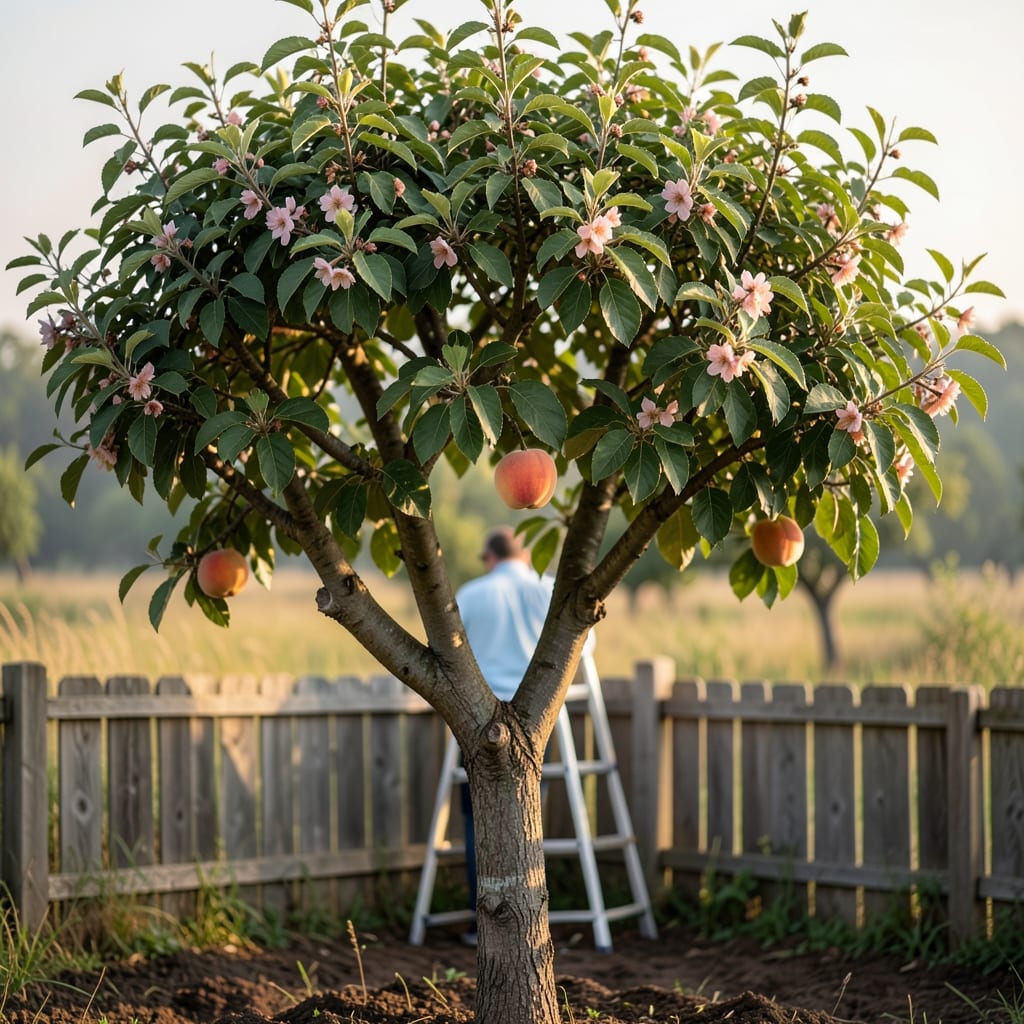
If you've ever wondered "how tall can peach trees grow", the answer might surprise you—these fruiting giants can stretch from compact backyard-friendly sizes to towering 25-foot sentinels, depending on the variety and care you provide.
Picture this: a 🍑 peach tree laden with ripe fruit, its branches heavy with summer's sweetest bounty. But before you plant, knowing whether you're dealing with a dwarf variety (staying under 12 feet) or a full-size tree (reaching 30 feet) makes all the difference in spacing, pruning, and even harvest accessibility.
What you're about to discover isn't just about height—it's about maximizing your tree's potential while keeping it manageable. Whether you're working with USDA Zone 6a conditions or adjusting for your local climate, we'll break down everything you need to know to grow the perfect-sized peach tree for your space.
From choosing the right variety to pruning techniques that keep your tree at your desired height, you'll learn how to nurture a thriving 🍑 that fits your garden—without sacrificing those juicy, homegrown peaches you've been dreaming of.


Peach tree height by variety: dwarf to standard to giant sizes
When planning your 🍑 peach tree, the first question is almost always: "How tall can peach trees grow?" The answer depends entirely on the variety you choose, with heights ranging from compact 8-foot dwarfs to towering 30-foot giants. Understanding these differences helps you select the perfect tree for your space, whether you're working with a small urban yard or a sprawling orchard.
Most gardeners assume all peach trees reach 20+ feet, but modern breeding has created varieties that stay manageable—even in tight spaces. The key is choosing between dwarf, semi-dwarf, standard, or full-size rootstocks, each with distinct mature heights and care requirements. Let's break down the options so you can make an informed decision.
Here’s what you need to know about peach tree heights by variety, including spacing needs and ideal growing conditions:
| Variety Type | Mature Height | Spacing Needs | Best For | Pruning Needs |
|---|---|---|---|---|
| Dwarf (e.g., 'Bonanza', 'Redhaven') | 8–12 ft | 6–8 ft apart | Containers, small yards, urban gardens | Minimal; focus on shaping |
| Semi-Dwarf (e.g., 'Elberta', 'Flavor Grenade') | 12–18 ft | 10–12 ft apart | Backyards, larger containers | Moderate; open center for airflow |
| Standard (e.g., 'J.H. Hale', 'Contender') | 20–25 ft | 15–20 ft apart | Orchards, rural properties | Regular; structural pruning |
| Full-Size (e.g., 'Relentless', 'Contender') | 25–30+ ft | 25+ ft apart | Large estates, commercial orchards | Intensive; ladder required |
If you're growing peaches in a small space, dwarf varieties like 'Bonanza' or 'Redhaven' are ideal—they stay under 12 feet and can even thrive in large containers. For a balance between size and productivity, semi-dwarf varieties like 'Elberta' reach 12–18 feet and produce abundant fruit without overwhelming your yard.
Standard and full-size trees, such as 'J.H. Hale' or 'Contender', are better suited for rural settings or orchards where you have ample space. These trees can grow 25–30 feet tall, requiring 15–20 feet of spacing between each tree to ensure proper airflow and sunlight penetration. Without adequate space, you risk disease and reduced fruit quality.
Another factor influencing height is the rootstock used. Dwarf rootstocks, like 'Lovell' or 'Nemaguard', restrict the tree's growth, while standard rootstocks allow the tree to reach its full potential. When selecting a peach tree, always check the rootstock type listed on the tag—this determines whether you'll end up with a compact bush or a towering giant.
For urban gardeners or those with limited space, consider espalier training. This technique involves pruning and shaping the tree against a fence or wall, keeping it under 10 feet while maximizing fruit production. It’s a fantastic way to grow peaches in small yards or even on balconies with the right container.
No matter which variety you choose, remember that pruning plays a crucial role in managing height. Regular pruning not only controls the tree's size but also improves fruit quality and air circulation. We’ll dive deeper into pruning techniques in the next section, but for now, know that even full-size trees can be kept in check with the right approach.
If you're still unsure which variety fits your space, start with a dwarf or semi-dwarf tree. They’re easier to manage
How climate zones affect peach tree growth height and pruning needs
Did you know your USDA hardiness zone plays a surprisingly big role in how tall your 🍑 peach tree grows? Peach trees thrive in zones 5–9, but their growth rate and mature height can shift dramatically depending on your climate. In warmer zones like 8–9, trees grow faster and taller, while colder zones (5–6) may stunt their height due to winter stress.
For example, a standard peach tree in Zone 8 might reach 25 feet, but the same variety in Zone 6 could max out at 18–20 feet due to slower spring growth. Understanding these climate-driven differences helps you adjust pruning, spacing, and even variety selection to optimize your tree's size and fruit production.
Here’s how climate zones influence peach tree height and what you need to know to manage growth effectively:
| USDA Zone | Growth Rate | Mature Height (Standard Tree) | Pruning Needs | Winter Care Tip |
|---|---|---|---|---|
| 5–6 | Slow to moderate | 18–22 ft | Aggressive winter pruning to remove dead wood | Apply mulch in late fall |
| 7 | Moderate | 20–24 ft | Light pruning in late winter | Protect from late frosts |
| 8 | Fast | 24–28 ft | Regular summer thinning | Minimal winter care needed |
| 9 | Very fast | 25–30+ ft | Heavy pruning to control height | Focus on summer pruning |
In cooler zones (5–6), peach trees grow more slowly, making them easier to manage if you prefer a shorter stature. However, they require more aggressive pruning in late winter to remove damaged branches from winter cold. Always prune after the last frost to avoid encouraging new growth that could be killed by late frosts.
If you live in warmer zones (8–9), your peach tree will grow taller and faster, potentially reaching 30 feet if unchecked. This means you’ll need to prune more frequently—especially in summerairflow. In these zones, focus on summer thinning to reduce the risk of bacterial spot and peach leaf curl, which thrive in humid conditions.
Another climate factor to consider is chilling hours. Peach trees need 300–1,000 hours of temperatures below 45°F annually to set fruit properly. In Zone 9, where winters are mild, you may need to choose low-chill varieties like 'Redhaven' or 'Flavor Grenade' to ensure successful fruiting. If you’re in a warmer zone and notice poor fruit set, this could be your tree’s way of telling you it needs a cooler climate or a different variety.
For gardeners in transition zones (7), balancing height control and fruit production can be tricky. Here, I recommend semi-dwarf varieties like 'Elberta', which stay manageable (12–18 feet) while still producing abundant fruit. Pair this with regular pruning in late winter to shape the tree and remove any crossing branches that could lead to disease.
No matter your zone, always monitor your tree’s growth rate in its first few years. If it’s growing too quickly, prune back by 25–30% in late winter to encourage a stronger structure. And remember: patience is key—peach trees can take