Trees
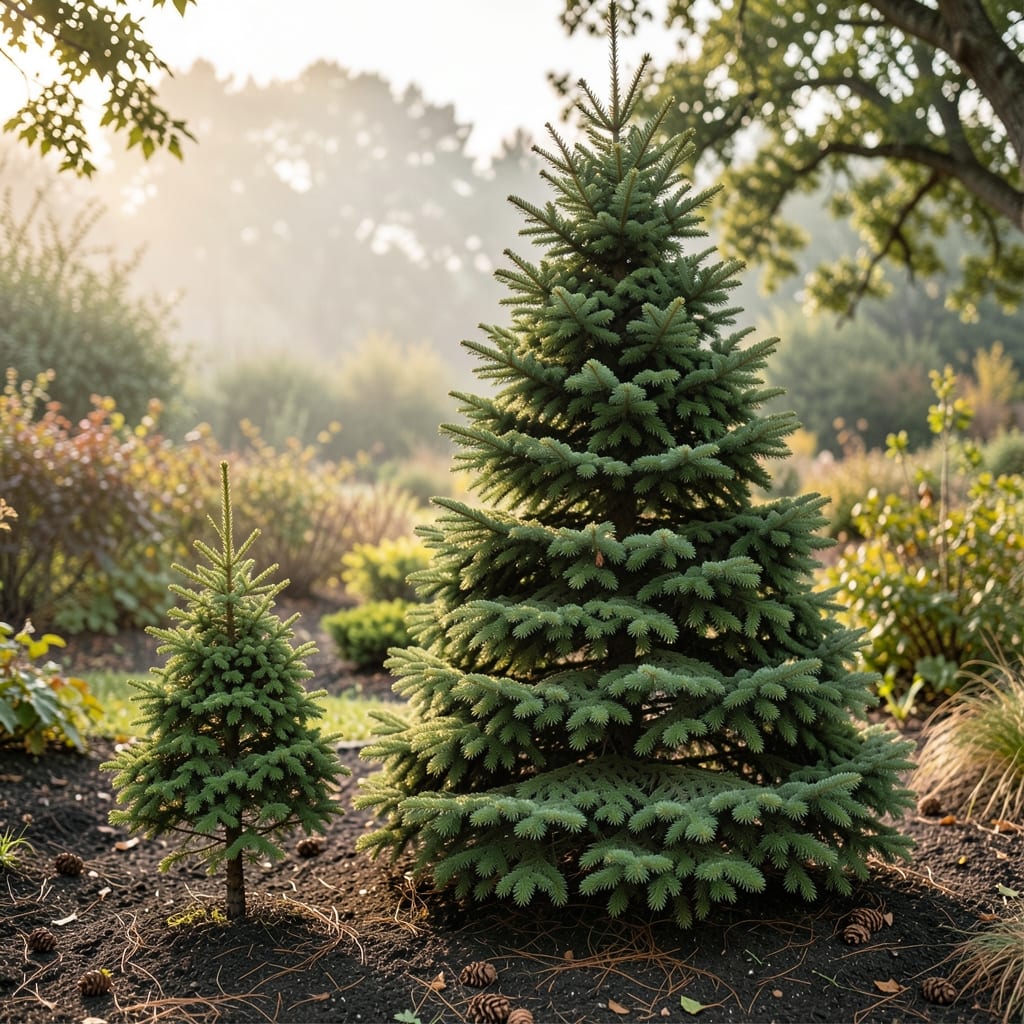
If you’re dreaming of a lush, evergreen privacy screen but wondering how tall do arborvitae trees grow, you’re not alone. These trees can grow anywhere from 3 feet to a towering 60 feet, depending on the variety—so choosing the right one for your space is key.
The 🌲 arborvitae family offers something for every yard, from dwarf varieties perfect for small gardens to towering giants that make a bold statement. Whether you’re planning a cozy backyard retreat or a grand landscape feature, knowing the mature height of each type helps you avoid surprises down the road.
In this guide, I’ll break down the most popular arborvitae varieties—like the compact Emerald Green or the sky-reaching Green Giant—and share expert tips on spacing, pruning, and care to keep them at your ideal height. No more guessing whether your new tree will fit!
Let’s dive into the details so you can pick the perfect arborvitae for your vision—without any unwanted overgrowth.


Arborvitae height ranges by variety: from dwarf to giant trees
Choosing the right arborvitae variety starts with understanding their mature height. These evergreens range from 3-foot dwarf shrubs to 60-foot giants, making them versatile for any landscape. The key is matching your space and vision to the right cultivar—whether you want a privacy screen, windbreak, or container accent.
Most arborvitae grow at a steady 12-24 inches per year, with faster growth in ideal conditions. However, some varieties like the Green Giant can surge 3 feet annually in their prime. Knowing these growth rates helps you plan for long-term spacing and maintenance.
Below, I’ve organized the most popular arborvitae varieties by height category—dwarf, semi-dwarf, medium, and tall—so you can visualize how each will fit in your yard. Pro tip: Always check the mature height label at the nursery, as some cultivars can vary slightly based on growing conditions.
For example, the Emerald Green stays neatly under 15 feet, while the American Arborvitae can stretch to 40 feet or more. This variety spectrum means you can find the perfect arborvitae for a small patio, large backyard, or even a commercial landscape.
The dwarf varieties (like ‘Compacta’ or ‘Gold Mound’) are perfect for container gardening or patio edges. Their slow growth means minimal pruning, but they still deliver year-round evergreen color. If you’re working with limited space, these are my top picks for adding greenery without overwhelming your yard.
For medium-height arborvitae, the Emerald Green is a crowd-pleaser. It grows at a steady pace and holds its shape beautifully, making it ideal for formal hedges or privacy screens. Plant these 3–4 feet apart to create a dense, lush barrier that blocks noise and wind while adding curb appeal.
If you’re dreaming of a tall arborvitae that makes a statement, the Green Giant is hard to beat. This variety can reach 60 feet in just 10–15 years, so it’s best for large properties or commercial landscapes. For a more natural look, pair it with native shrubs or wildflowers to soften its imposing height.
One common mistake I see is assuming all arborvitae grow at the same rate. Fast-growing varieties like the Green Giant need more space and regular pruning to stay healthy, while slow-growing dwarfs thrive in tight spots with minimal care. Always check the growth rate and spacing recommendations before planting to avoid crowding or stunted growth.
Pro tip: If you’re unsure which variety to choose, start with a smaller arborvitae like the Emerald Green. You can always add taller varieties later if your space allows. And remember—arborvitae are low-maintenance once established, so pick the height that fits your lifestyle and landscape goals.
How to control arborvitae growth: pruning and care tips for height management
Once you’ve picked your arborvitae based on mature height, the next step is managing its growth to keep it healthy and at your desired size. Unlike some trees, arborvitae respond well to pruning, making it easier to control their height and shape. The key is timing—prune at the right season and use the right techniques to avoid stressing your tree.
For fast-growing varieties like the Green Giant, I recommend annual pruning in late winter or early spring (before new growth starts). This prevents overgrowth while encouraging a fuller, bushier shape. Slow-growing dwarfs, on the other hand, only need light pruning every 2–3 years to maintain their compact form.
Here’s a quick guide to pruning techniques for different arborvitae heights: - Dwarf varieties: Trim just the tips to encourage branching. - Medium-height trees: Prune selectively to maintain shape and remove dead branches. - Tall varieties: Focus on structural pruning to support their height and prevent weak limbs.
Beyond pruning, fertilization plays a big role in controlling growth. Arborvitae thrive with a balanced fertilizer (like 10-10-10) applied in early spring and early summer. This encourages steady, healthy growth without the rapid shoot spikes you might see with heavy nitrogen. For container-grown arborvitae, use a slow-release fertilizer to avoid overfeeding.
Another often-overlooked trick is root pruning. If your arborvitae is growing too fast or becoming top-heavy, gently prune the outer roots in early spring. This redirects energy to thicker trunk development and slower height growth. Just be careful—over-pruning roots can stress the tree, so limit this to 10–15% of the root ball at a time.
Finally, mulching helps regulate growth by keeping soil moisture consistent and temperatures stable. Apply a 2–3 inch layer of mulch around the base (but not touching the trunk) to encourage deeper root systems, which in turn supports stronger, more controlled growth. Pair this with consistent watering—deep soaks once a week during dry spells—and your arborvitae will stay lush and manageable.
Remember, the goal isn’t to stunt growth completely but to guide it in a way that fits your space. With the right care, your arborvitae will thrive at the perfect height—whether that’s a neat 5-foot hedge or a stately 50-foot sentinel. 🌿