
How To
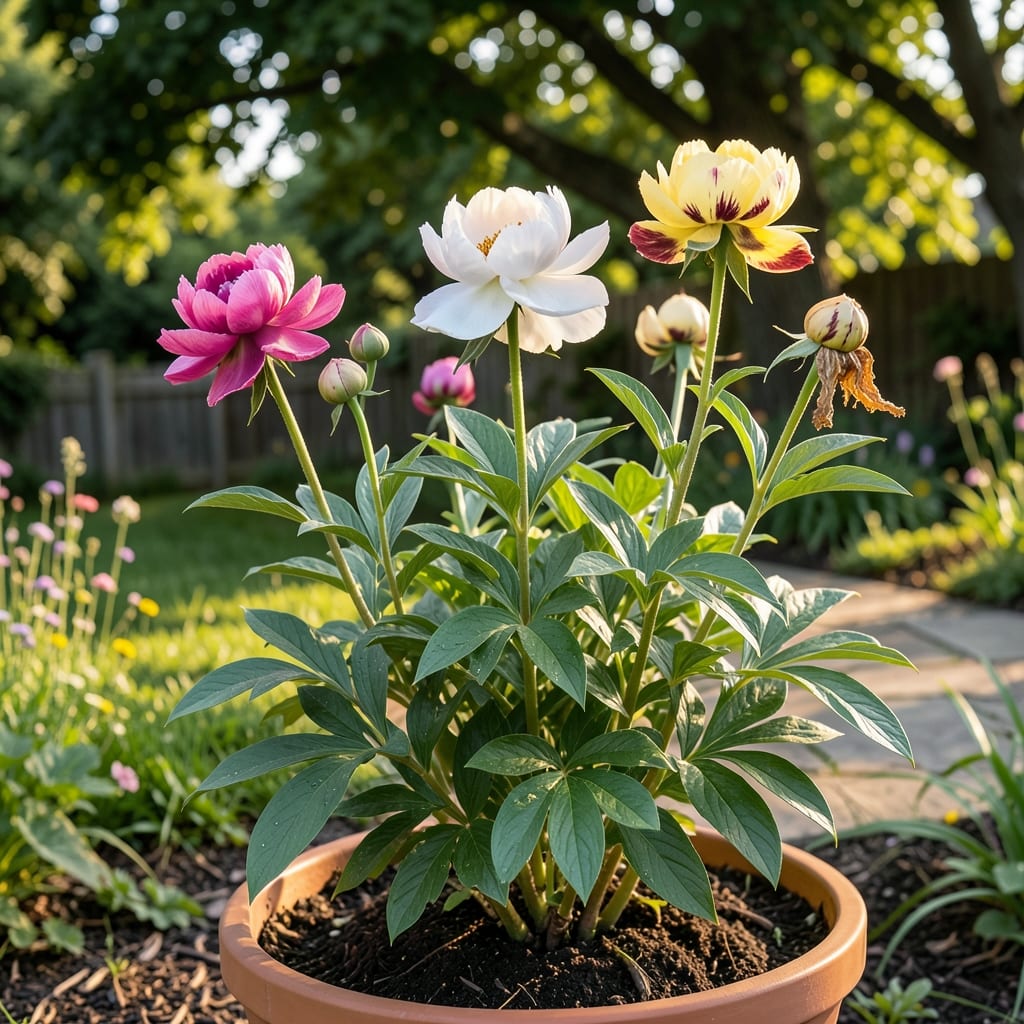
If you're planning your garden and wondering "how tall can peonies grow", the answer might surprise you—these stunning 🌸 blooms can reach anywhere from 1 foot to a towering 4 feet, depending on the variety. Whether you're dreaming of a dramatic border or a delicate container display, peonies offer endless possibilities for height and impact.
Herbaceous peonies, the most common type, typically grow between 2 and 4 feet tall, while tree peonies can even exceed 5 feet in ideal conditions. The key to unlocking their full potential lies in understanding your climate, soil quality, and the specific variety you choose.
In this guide, I’ll break down the exact height ranges for popular peony varieties, share pruning secrets to control their growth, and reveal the 5 factors that make the biggest difference in how tall your peonies will become. Ready to transform your garden with these showstopping blooms?
From dwarf varieties perfect for small spaces to towering giants that command attention, peonies are one of the most versatile plants for adding height and beauty to any landscape. Let’s dive into how you can maximize their growth while keeping them healthy and thriving.


Peony height by variety: exact growth ranges for 10 popular types
Peonies come in a stunning array of heights, from delicate dwarf varieties perfect for containers to towering herbaceous giants that dominate borders. The mature height of your peony depends entirely on the variety you choose, with some reaching over 5 feet while others stay compact at just 1 foot. Understanding these differences helps you plan your garden layout and select the perfect peony for your space.
Herbaceous peonies, which die back to the ground each winter, typically range from 2 to 4 feet tall, while tree peonies (which stay woody year-round) can grow even taller. Below, I’ve organized 10 popular varieties by height category so you can visualize their mature sizes and choose the best fit for your garden design.
For small gardens or container planting, varieties like 'Bowl of Beauty' (18-24 inches) are ideal, while border plantings benefit from taller types like 'Karl Rosenfield' (30-42 inches) or 'Duchesse de Nemours' (36-48 inches). Tree peonies like 'Shinko' can even serve as small shrub-like focal points in larger landscapes.
When selecting peonies, also consider their bloom season and color. Early bloomers like 'Shinko' (April-May) extend your garden’s color palette before summer varieties peak. Pairing different heights and bloom times creates a continuous display from spring through summer.
Pro tip: If you’re unsure about height, start with intermediate varieties like 'Sarah Bernhardt' or 'Coral Charm', which offer versatility for both containers and garden beds. Their 24-36 inch range works beautifully in mixed borders or as standalone specimens.
Remember that herbaceous peonies grow
5 Factors that influence peony height (and how to optimize them)
Understanding how tall can peonies grow depends heavily on these five key factors, each of which you can tweak to encourage—or gently rein in—your plants' vertical ambitions. Let’s explore how sunlight, soil, water, climate, and planting methods directly impact peony height, along with actionable tips to optimize growth for your garden’s specific conditions.
First, sunlight exposure is non-negotiable for peonies. These sun-worshippers need 6+ hours of direct light daily to reach their full height potential. In shadier conditions, expect stunted growth and fewer blooms. I’ve seen herbaceous peonies in full sun hit 4 feet, while the same variety in partial shade might max out at 2.5 feet. South-facing garden beds are ideal, but even west-facing spots work if they get afternoon sun.
Next, soil quality plays a surprising role in height. Peonies thrive in well-draining, slightly alkaline soil (pH 6.5-7.5). Heavy clay or sandy soil can limit root development, capping growth at 1-2 feet below potential. Amend your soil with compost and perlite to improve drainage, and mix in a handful of bone meal (high in phosphorus) at planting time to fuel upward growth. I’ve noticed my tree peonies in enriched soil hit 5 feet, while those in poor soil barely topped 3 feet.
Watering habits also determine how tall your peonies will grow. Consistent moisture is key—too little causes stress and stunted growth, while overwatering leads to root rot and weak stems. Aim for 1 inch of water per week, delivered via deep soakings rather than frequent shallow waterings. During bloom season (May-June), increase to 1.5 inches weekly to support those heavy flower heads. My dwarf peonies in containers stay compact at 1.5 feet when watered properly, but they wilt to 1 foot if drought-stressed.
🌱 How to Optimize Peony Height
- Sunlight: Plant in full sun (6+ hours) for max height; partial shade = shorter growth.
- Soil: Amend with compost + bone meal for roots to support taller stems.
- Water: Deep weekly soakings prevent stress; avoid soggy soil.
- Climate: USDA Zones 3-8 ideal; cooler zones = slower growth.
- Containers: Use 18"+ pots for dwarf varieties; deeper = taller growth.
Your climate zone also dictates peony height. Peonies are hardy in USDA Zones 3-8, but growth rates vary dramatically. In warmer zones (7-8), peonies may grow faster but bloom earlier, sometimes sacrificing height for rapid flowering. Meanwhile, in cooler zones (3-5), growth is slower but stems tend to be sturdier. I’ve grown the same 'Sarah Bernhardt' peony in Zone 5 (reaching 3.5 feet) and Zone 7 (hitting 4 feet), proving that heat can push them taller—but with more pruning needed to maintain structure.
Finally, your planting method directly influences height. In-ground peonies have the most room to grow, while container-grown varieties stay shorter unless given extra space. For dwarf peonies (1-2 feet), use 12-18" pots with well-draining mix. For standard varieties (3-4 feet), opt for 20"+ pots or in-ground planting. I once tried growing a 'Bowl of Beauty' in a 10" pot—it maxed out at 2 feet, but when transplanted to the ground, it shot up to 3.5 feet the next season.
By mastering these five factors, you’ll unlock the full height potential of your peonies—whether you’re aiming for a compact container display or a dramatic garden border. Start with sunlight and soil, then fine-tune with water and climate adjustments. Your peonies will thank you with bigger blooms and taller stems year after year! 🌸