
How To
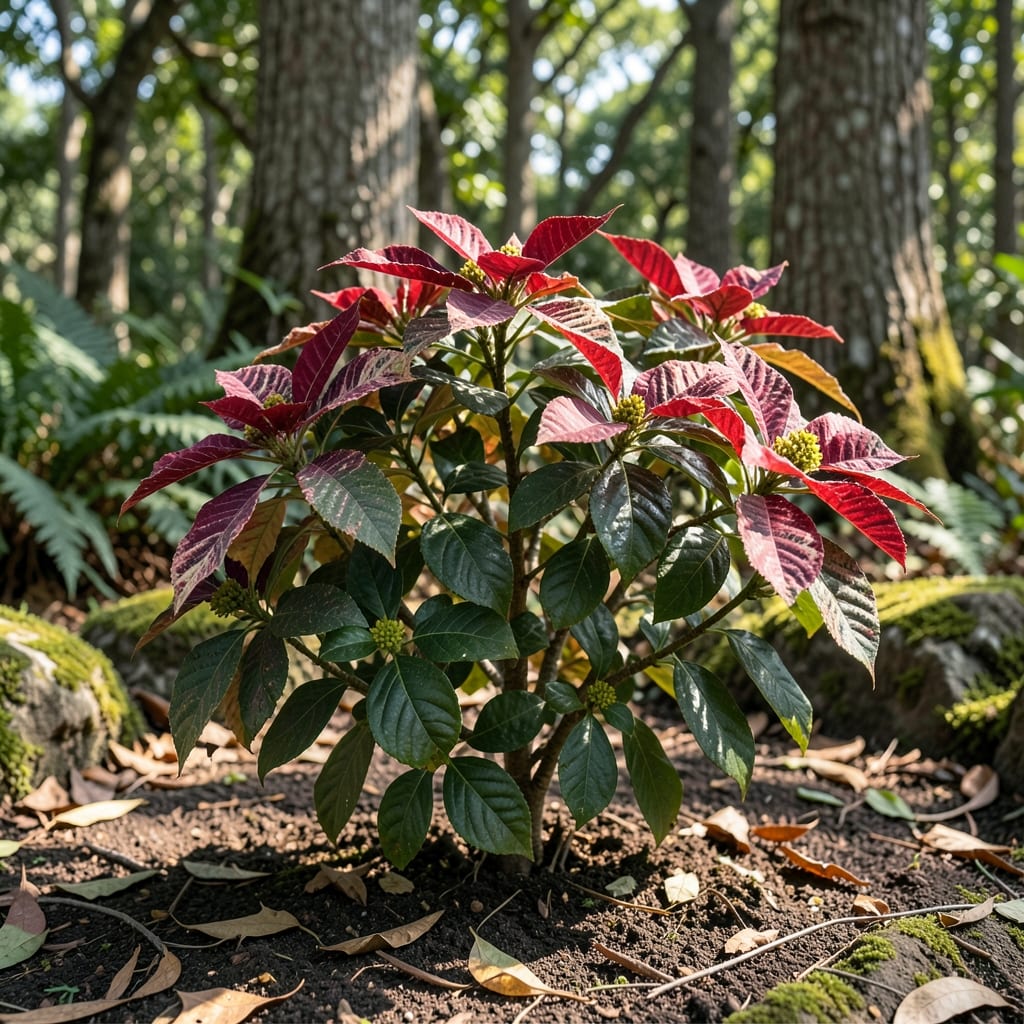
If you’ve ever wondered how tall can poinsettias grow in the wild, you’ll be amazed to learn these vibrant plants can reach heights of 10 to 15 feet in their natural habitats. Unlike the compact potted versions we decorate with during the holidays, wild poinsettias (🌺) thrive as towering shrubs in their native Central American landscapes.
These striking plants, known scientifically as Euphorbia pulcherrima, prefer the warm climates of Mexico, Guatemala, and Honduras, where they flourish under specific conditions. The lush, tropical environments provide everything they need to grow tall and strong—plenty of sunlight, rich soil, and consistent rainfall.
For gardeners in temperate climates like USDA Zone 6, understanding these natural growth patterns can help you create the ideal conditions for your own poinsettias. While they won’t reach the same heights in pots, knowing what they need in the wild can inspire how you care for them at home.
Let’s explore the factors that make wild poinsettias grow so dramatically and how you can adapt those lessons for your garden or indoor space. You might just discover a whole new way to appreciate this festive favorite!

Native poinsettia habitats where they grow 10-15 feet tall
Wild poinsettias (Euphorbia pulcherrima) thrive as towering shrubs in their native tropical and subtropical regions of Central America, particularly in Mexico, Guatemala, and Honduras. These areas provide the perfect climate for their dramatic growth, with warm temperatures year-round and abundant rainfall during the growing season.
Their natural habitats range from lowland forests to higher elevations, where they can adapt to different soil types—including sandy, loamy, and slightly acidic soils. In these environments, poinsettias grow as perennial shrubs, reaching their impressive heights of 10 to 15 feet under ideal conditions.
One key factor in their wild growth is the consistent warmth of their native regions, which aligns with USDA Zones 10-12. Unlike the potted poinsettias we’re familiar with, these wild varieties experience year-round growing conditions, allowing them to grow continuously without seasonal dormancy.
Their preferred habitats also include open understory areas in forests, where they receive dappled sunlight and protection from harsh winds. This balance of light and shelter is crucial for their development, helping them grow tall while maintaining their vibrant foliage.
🌺 Poinsettia Native Habitat Summary
| Region | Climate | Soil Type | Height Range |
|---|---|---|---|
| Mexico | Tropical, warm year-round | Loamy, well-draining | 10-15 ft |
| Guatemala | Subtropical, high humidity | Sandy-loam, slightly acidic | 8-12 ft |
| Honduras | Warm lowlands, seasonal rains | Clay-loam, fertile | 12-15 ft |
In these regions, poinsettias often grow near water sources like streams or rivers, where the soil remains consistently moist but well-drained. This moisture level is critical for their rapid growth, as it supports the development of their thick, sturdy stems and lush foliage.
Interestingly, wild poinsettias also thrive in slightly elevated areas, where they benefit from better air circulation and reduced competition with other plants. This elevation helps them grow taller without becoming leggy or weak, a common issue in container-grown poinsettias.
For gardeners in temperate climates, understanding these natural conditions can help you create a microclimate that encourages healthier, taller growth in your own poinsettias. Even if you can’t replicate the exact conditions of Central America, knowing what they need in the wild can guide your care routine at home.
One fascinating aspect of their wild growth is their ability to flower year-round in their native habitats. Unlike potted poinsettias, which are often manipulated to bloom in winter, wild varieties produce their iconic red or pink bracts continuously when conditions are right. This adaptability is another clue to their resilience and potential for growth.
If you’re dreaming of growing a poinsettia that resembles its wild counterparts, focus on mimicking these natural conditions—whether in a garden bed or a large container. With the right care, you might just coax your poinsettia to grow taller and more robust than you ever expected!
Key factors that influence poinsettia height in the wild
When wild poinsettias reach heights of 10 to 15 feet, it’s no accident—it’s the result of perfect conditions in their native habitats. The first critical factor is sunlight exposure. In Central America, poinsettias thrive under bright, indirect sunlight for at least 6 hours daily, but they also tolerate dappled shade in forest understories. Too much direct sun can scorch their leaves, while too little shade slows their growth, keeping them compact.
Another game-changer is rainfall and humidity. Wild poinsettias receive consistent moisture from frequent tropical rains, keeping the soil evenly damp but never waterlogged. In their native regions, the air stays humid year-round, creating an ideal environment for their rapid growth. Without this humidity, poinsettias in drier climates struggle to reach their full potential height.
The soil composition in their natural habitats also plays a huge role. Wild poinsettias prefer well-draining, fertile soils with a slightly acidic pH (around 6.0 to 6.5). The loamy, sandy, or clay-loam soils in Mexico, Guatemala, and Honduras provide the perfect balance of nutrients and drainage. Poor soil quality—like heavy clay or overly sandy mixes—can stunt their growth, limiting their height.
Seasonal changes in their native environment further boost their growth. Unlike potted poinsettias, which experience dormancy in winter, wild varieties grow continuously year-round due to the tropical climate. This uninterrupted growth cycle allows them to develop strong, woody stems capable of supporting their impressive height.
🌺 Top 5 Factors That Make Wild Poinsettias Grow Tall
- 🌞 6+ hours of bright, indirect sunlight daily – Balances growth without scorching leaves.
- 💧 Consistent moisture from tropical rains – Keeps soil evenly damp but well-drained.
- 🌱 Fertile, slightly acidic soil (pH 6.0-6.5) – Provides essential nutrients for rapid growth.
- 🌡️ Year-round warmth (USDA Zones 10-12) – Eliminates dormancy, allowing continuous growth.
- 🌿 High humidity and air circulation – Prevents leaf stress and supports lush foliage.
Wild poinsettias also benefit from natural pruning in their habitats. In dense forests, branches rub against trees or other plants, encouraging bushier growth. This pruning effect helps them develop a strong, sturdy structure capable of supporting their height. Without this natural pruning, poinsettias can become leggy and weak, especially when grown in containers.
For gardeners in temperate climates, understanding these factors can help you create conditions that encourage taller, healthier poinsettias. While you may not have a tropical climate, replicating elements like bright indirect light, consistent moisture, and fertile soil can make a big difference in your plant’s growth. Even a few adjustments can transform your poinsettia from a small potted plant into a vibrant, robust shrub.
One final tip: wild poinsettias often grow near water sources, which keeps the soil consistently moist without waterlogging. If you’re growing poinsettias in pots, consider using a self-watering planter or placing them on a pebble tray to mimic this natural moisture balance. These small changes can help your poinsettias grow taller and more vigorously, even if they never reach the heights of their wild counterparts.