
Flowers
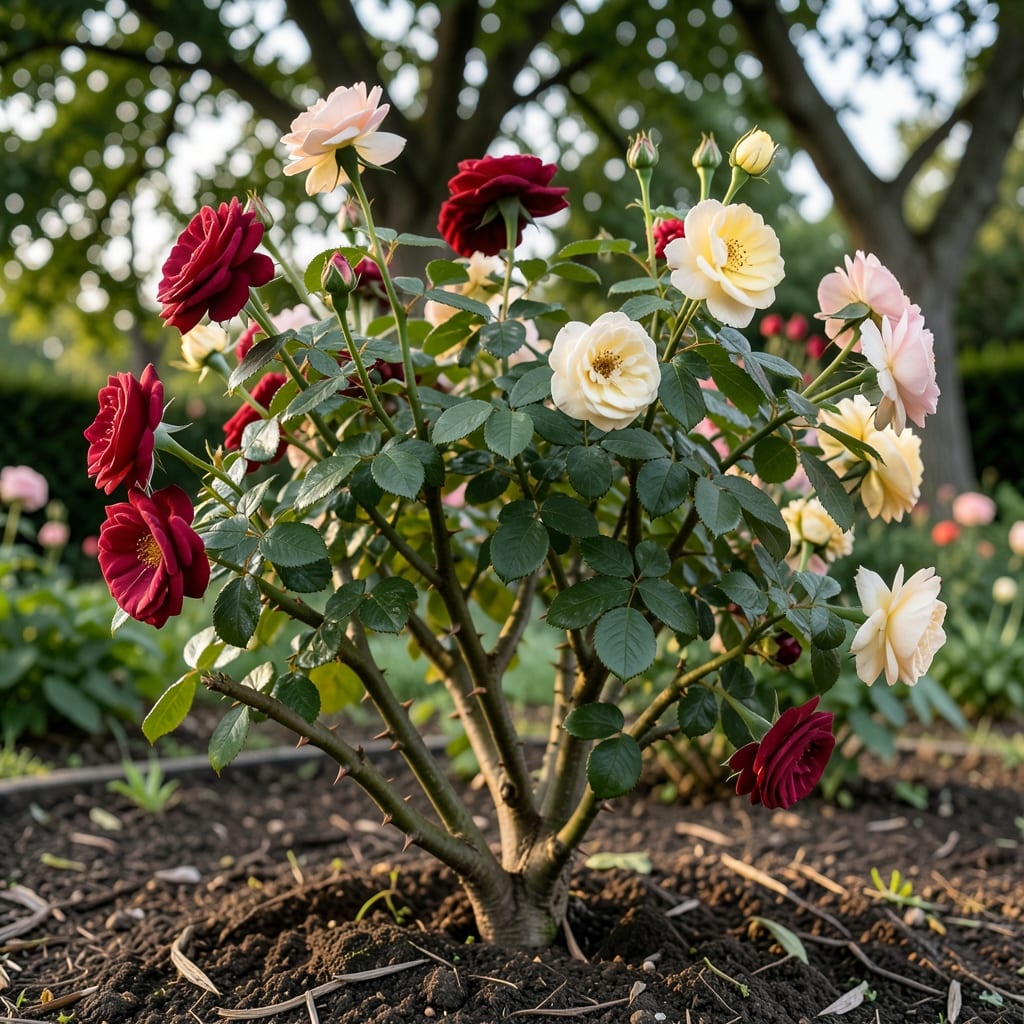
If you’ve ever dreamed of a garden where roses 🌹 can grow how tall they grow, you’re not alone—but the height of your roses isn’t just about wishful thinking. Some varieties can soar to 20 feet or more, while others stay neatly contained at just a few inches tall. The difference? Variety, care, and a little strategic pruning.
Choosing the right rose for your space is the first step to avoiding a tangled mess or a garden that feels too cramped. Whether you’re planning a romantic trellis or a low-maintenance border, knowing how tall roses can grow helps you pick the perfect plant for your vision—and your yard’s layout.
Let’s break down the height ranges of popular rose types, from delicate dwarf roses to towering climbers, and share the secrets to keeping them at your desired height. You’ll learn which varieties thrive in tight spaces and which need room to stretch their stems toward the sun.
Ready to transform your garden into a vertical masterpiece? I’ll show you how to train, prune, and support roses to grow exactly as you imagine—without sacrificing their health or beauty.


Rose variety heights: from dwarf to climbing giants (with exact growth ranges)
Roses aren’t one-size-fits-all—some varieties stay as short as a 12-inch shrub, while others climb 20+ feet up a trellis. The key to planning your garden is understanding these height ranges and how they translate into real-world spacing. For example, a climbing rose like 'New Dawn' can reach 12-15 feet, while a dwarf rose like 'Fairy' tops out at just 1-2 feet. These differences aren’t just about aesthetics; they dictate where you plant, how you prune, and even what support structures you’ll need.
Let’s start with the basics: dwarf roses are perfect for containers, borders, or small gardens where space is limited. Shrub roses offer a balance, typically reaching 3-6 feet, making them ideal for hedges or mid-height garden beds. Then there are standard roses, which are essentially shrubs grafted onto taller stems, giving you 6-8 feet of elegance. Finally, climbing roses are the showstoppers, capable of scaling walls, fences, or arbors with stems that can exceed 20 feet in ideal conditions.
Here’s the game-changer: most roses grow 1-2 feet per year until they reach maturity, which can take 2-3 years. That means a 6-foot shrub rose might start as a 1-foot sapling in its first year. Planning for this gradual growth ensures your garden layout stays functional—and beautiful—as your roses mature.
Support matters just as much as height. A climbing rose without a trellis or arbor will sprawl uncontrollably, while a standard rose needs sturdy stakes to prevent flopping. Even shrub roses benefit from occasional pruning to encourage a bushier shape rather than a leggy one. Think of support as the invisible framework that lets your roses reach their full potential without becoming a tangled mess.
Now, let’s talk about the exact height ranges you can expect from popular rose varieties, along with their ideal spacing and care needs. This summary table will help you visualize which roses fit your garden’s dimensions and design goals.
| Variety Type | Height Range | Spacing Needs | Support Required | Best For |
|---|---|---|---|---|
| Dwarf Roses | 1–3 ft | 12–18 inches apart | None (or small stakes) | Containers, borders, small gardens |
| Shrub Roses | 3–6 ft | 2–3 ft apart | Light staking for windy areas | Hedges, mid-height beds, mixed borders |
| Standard Roses | 5–10 ft | 3–4 ft apart | Sturdy stakes or cages | Focal points, entryways, formal gardens |
| Climbing Roses | 10–30+ ft | 4–6 ft apart (base spacing) | Trellis, arbor, or strong fence | Arbors, pergolas, walls, large fences |
| Hybrid Tea Roses | 3–6 ft | 2–3 ft apart | Light staking for cut flowers | Cut flower gardens, formal beds |
The climbing roses category deserves extra attention because their height is often underestimated. Varieties like 'Blaze' or 'Zephirine Drouhin' can easily exceed 20 feet when given the right support and growing conditions. If you’re dreaming of a rose-covered arbor or a vertical garden, these are the stars of the show—but they require regular pruning to manage their vigor and encourage abundant blooms.
For small gardens, consider dwarf roses like 'Bonica' or 'The Fairy,' which stay under 3 feet and thrive in containers. These varieties are perfect for patios, balconies, or even windowsills, offering fragrant blooms without the space commitment. Meanwhile, shrub roses like 'Knock Out' roses (3–4 feet) are low-maintenance and disease-resistant, making them ideal for busy gardeners who still want year-round color.
One common mistake is assuming all roses need full sun and rich soil to reach their maximum height. While sunlight is critical, poor soil or overcrowding can stunt growth. For example, a climbing rose planted in partial shade might only reach half its potential height. Always amend your soil with compost and ensure your roses have 6+ hours of direct sun daily for optimal growth.
Pro tip: If you’re unsure about a rose’s mature height, check the plant tag or do a quick online search for the specific cultivar. Many nurseries now list mature height ranges alongside other care instructions, which can save you from planting a 20-foot climber in a 6-foot-wide garden bed. When in doubt, start with a smaller variety
Rose variety heights: from dwarf to climbing giants (with exact growth ranges)
Not all roses are created equal when it comes to height—some stay neatly tucked into small spaces, while others reach for the sky like vertical gardens. The height of roses depends entirely on their variety and growth habit, with some dwarf roses barely reaching your knees and others climbing 20+ feet up a trellis. Knowing these ranges helps you plan your garden layout and choose roses that fit your space perfectly.
For example, dwarf roses like 'Fairy' or 'Mini Mum' max out at 1-3 feet, making them ideal for container gardens or edging. On the other end of the spectrum, climbing roses like 'New Dawn' or 'Blaze' can stretch 10-30 feet if given proper support. Shrub roses, like 'Knock Out' or 'Dr. Huey,' typically grow 3-6 feet, while standard roses (like 'Apache' or 'Double Delight') can reach 6-8 feet when grafted onto tall stems.
🌹 Height isn’t just about variety—it’s also about care. Roses need the right spacing and support to grow to their full potential. A climbing rose planted too close to a fence might get tangled, while a dwarf rose given too much room will sprawl unattractively. Let’s break down the exact height ranges and care tips for each type so you can pick the perfect rose for your garden.
| Variety Type | Height Range | Spacing Needs | Support Needed |
|---|---|---|---|
| Dwarf Roses | 1–3 ft | 12–18 inches apart | None (compact) |
| Shrub Roses | 3–6 ft | 2–3 ft apart | Light staking |
| Standard Roses | 5–10 ft | 3–4 ft apart | Sturdy stake |
| Climbing Roses | 10–30+ ft | 4–6 ft apart | Trellis/arbor |
If you’re working with limited space, dwarf or shrub roses are your best bet—they thrive in containers or small garden beds without needing much room to spread. For a dramatic vertical effect, climbing roses are unmatched, but they require strong support structures like trellises, arbors, or fences. Pro tip: Plant climbing roses 3–4 feet away from their support to encourage strong stems.
Another factor that influences height is pruning habits. Regular pruning can keep even tall varieties in check, while neglect can lead to leggy, overgrown stems. For instance, a climbing rose left unpruned might grow wildly tall, but with strategic cuts, you can train it to stay within bounds. We’ll dive deeper into pruning techniques in the next section to help you manage height effectively.
Before you pick your roses, consider your garden’s layout. A 6-foot shrub rose near a patio might block views, while a 20-foot climber over a pergola can create a stunning focal point. Measure your space, research the mature height of your chosen variety, and don’t forget to account for seasonal growth spurts—some roses grow 2–3 feet taller in a single season!