
Size
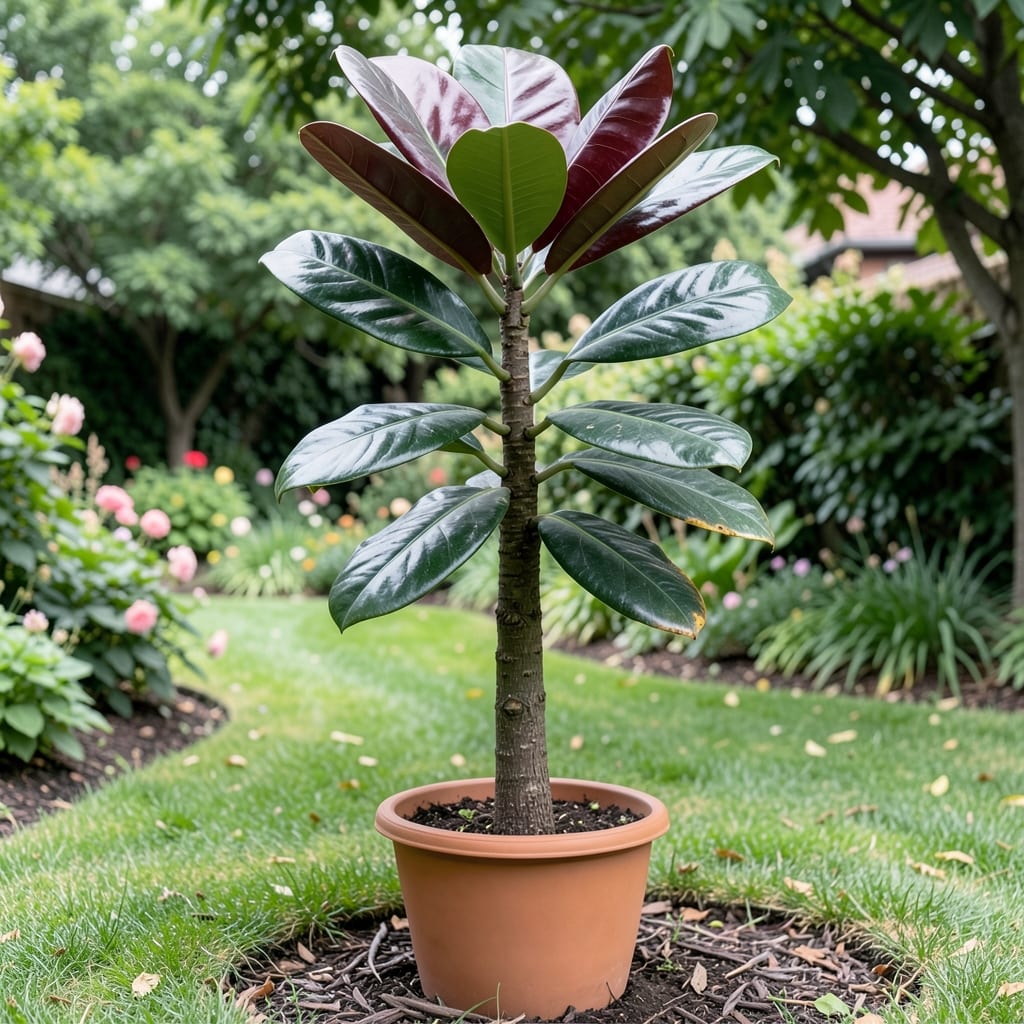
If you're dreaming of a towering rubber plant and wondering how tall can rubber plants grow, you might be surprised to learn these glossy-leaved beauties can reach heights of 10 feet or more with the right care! Whether you're working with a compact variety or nurturing a fast-growing Ficus elastica, understanding their potential height is the first step to creating the perfect indoor jungle.
The secret to their impressive growth lies in a few key factors: sunlight exposure, pruning habits, and even the specific variety you choose. Some rubber plants stay manageable at just 3-5 feet, while others stretch toward the ceiling if given enough space and ideal conditions. I’ll break down how to encourage (or control) that vertical growth so your plant thrives exactly how you want it to.
Let’s talk about what influences their height—from the brightest windows to the right pruning techniques—and how you can maximize (or minimize) their growth without sacrificing health. Whether you're a beginner or a seasoned plant parent, these tips will help you grow a rubber plant that’s as stunning as it is manageable.
Ready to discover how to turn your rubber plant into a statement piece—whether it’s a floor-length centerpiece or a bushy tabletop companion? Let’s dive into the details so you can get the perfect height for your space.


Natural height range of rubber plants: from tabletop to ceiling
Rubber plants (Ficus elastica) are famous for their dramatic vertical growth, but their final height depends on variety, growing conditions, and care habits. In ideal settings, these tropical plants can soar to 10 feet tall or more, while indoor specimens often stay between 3-6 feet without intervention. The key lies in understanding their natural growth patterns and how to nurture them effectively.
Outdoor rubber plants in warm climates like USDA Zones 10-12 often reach their maximum height, growing 1-2 feet per year under optimal conditions. Even in indoor environments, they can grow 3-5 feet tall within just a few years if given enough space, light, and proper care. The 'Black Prince' variety, for example, is known for its dark foliage and towering growth, while 'Tineke' stays slightly more compact.
Here’s what influences their height potential:
If you’re aiming for a floor-to-ceiling statement plant, focus on providing consistent bright light and minimal pruning. For smaller spaces, opt for dwarf varieties or prune regularly to maintain a 3-5 foot height. Even in low-light conditions, rubber plants will grow—just more slowly and with longer stems between leaves.
Outdoor rubber plants in greenhouses or tropical climates can grow up to 10 feet tall within 5-7 years, but indoor plants typically max out at 6 feet unless given exceptional care. The 'Variegata' variety, with its creamy white stripes, grows similarly to standard types but may need slightly more light to maintain its striking foliage.
One common misconception is that rubber plants will always grow tall if left unpruned. While this is true, their growth rate slows significantly after reaching maturity (5-7 years). At this stage, they focus more on foliage density than vertical expansion. To encourage continued height, provide nutrient-rich soil and consistent moisture without waterlogging.
For those with limited ceiling space, consider training your rubber plant to grow horizontally using a trellis or stake. This method doesn’t stunt growth but redirects it, creating a lush, sprawling plant instead of a towering one. Just ensure the support is sturdy—rubber plants can get heavy as they mature.
Remember, rubber plants are low-maintenance but thrive with attention to their needs. Whether you’re growing them as indoor statement pieces or outdoor tropical accents, understanding their height potential helps you plan for their care and space requirements from day one.
🌿
Natural height range of rubber plants: from tabletop to ceiling
Rubber plants (Ficus elastica) are famous for their dramatic vertical growth, but their final height depends on genetics, care, and environment. In ideal conditions, mature rubber plants can reach 6 to 10 feet tall—towering like small trees—while some compact varieties stay under 3 feet. The key difference lies in variety selection, pruning habits, and growing conditions.
For example, the 'Black Prince' variety often grows 8 to 10 feet tall indoors with proper care, while 'Tineke' (with its striking variegation) typically maxes out around 5 to 7 feet. Even dwarf varieties like 'Ruby' or 'Burgundy' can still stretch 3 to 5 feet without intervention. Understanding these ranges helps you plan for space, light, and maintenance from the start.
🌿 Rubber Plant Height Guide
| Variety | Mature Height (Indoors) | Outdoor Potential | Growth Rate |
|---|---|---|---|
| Black Prince | 8–10 ft | 10–12 ft (with space) | Fast |
| Tineke | 5–7 ft | 7–9 ft | Moderate |
| Ruby | 3–5 ft | 5–6 ft | Slow-Moderate |
| Burgundy | 4–6 ft | 6–8 ft | Moderate |
Outdoor heights assume ideal sunlight, space, and no pruning.
Indoor rubber plants grow slower than their outdoor counterparts due to limited light and space. Without proper bright indirect light (like an east-facing window), growth can stall at 3 to 5 feet even after years. Conversely, outdoor rubber plants in USDA Zones 10–12 or greenhouses can double their height when given full sun, humidity, and regular watering.
Light exposure is the #1 factor controlling height. Rubber plants grown under low-light conditions (like a north-facing room) may only reach 2 to 3 feet in 5 years, while those near south or west windows can grow 1 to 2 feet per year. If you’re aiming for a tall specimen, prioritize 6+ hours of bright, filtered light daily—but avoid direct midday sun, which can scorch leaves.
Another critical factor is pruning habits. Left unpruned, rubber plants grow taller and leggier, while regular pruning (every 6 to 12 months) encourages bushier, wider growth. For example, a 'Black Prince' left unpruned for 5 years might hit 10 feet, but if you trim the top 2 inches annually, it’ll stay 6 to 8 feet tall with a fuller shape. Pruning also helps control height in small spaces, making it ideal for apartments.
Soil quality and container size also play a role. Rubber plants in small pots (under 10 inches in diameter) grow taller but weaker, as their roots compete for space. Upgrading to a 12–16 inch pot with well-draining, aerated soil (like a mix of peat moss, perlite, and compost) can boost height by 20–30% by reducing root stress. Always use a pot with drainage holes to prevent root rot, which stunts growth.
With the right care, your rubber plant can become a stunning vertical statement piece—whether you prefer a floor-to-ceiling giant or a compact tabletop companion. The key is balancing light, space, and pruning to match your goals. Ready to start growing? Your rubber plant’s height is entirely in your hands! 🌳