
Trees
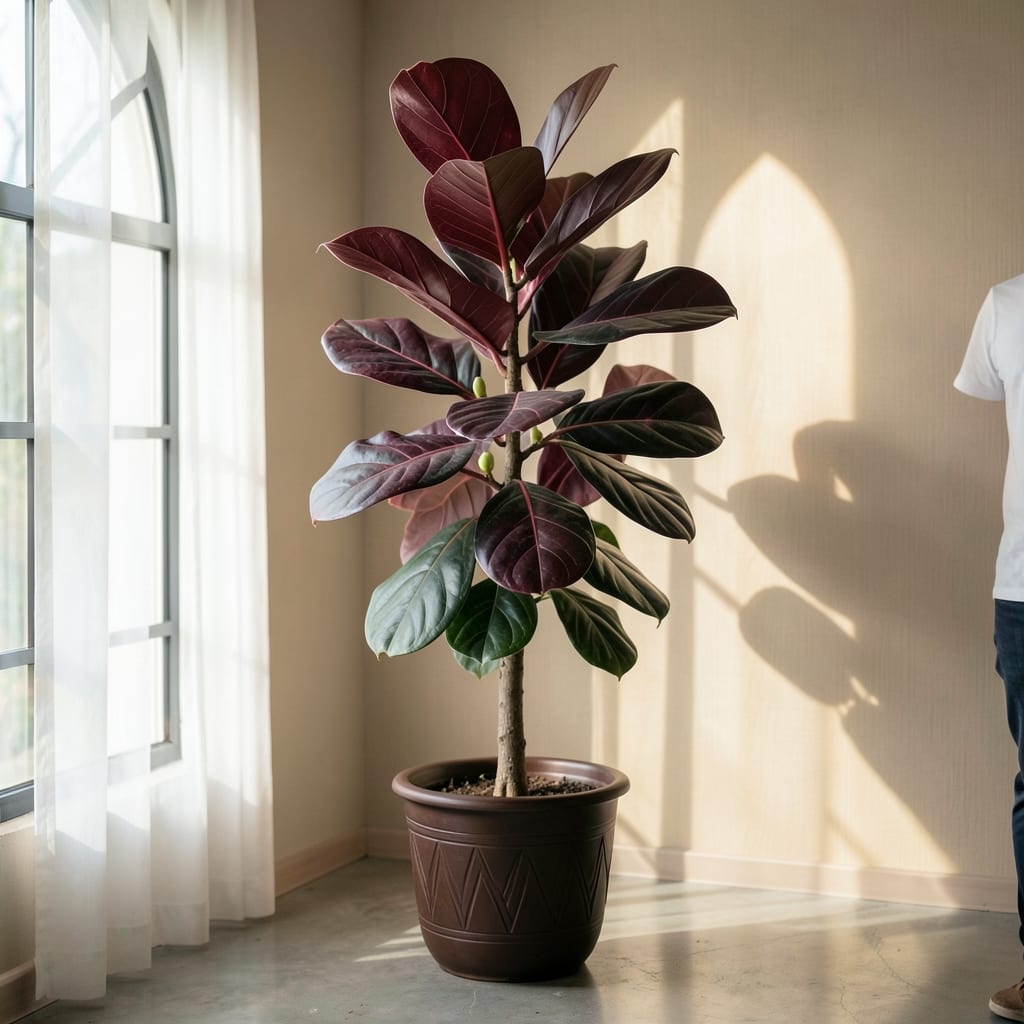
If you’ve ever wondered how tall can rubber trees grow, the answer might surprise you—especially when comparing your indoor houseplant to its wild jungle cousins. That glossy-leaved 🌳 rubber tree in your living room could stay compact for years, while its outdoor relatives stretch toward the sky like architectural marvels.
Outdoors in tropical climates, rubber trees (Ficus elastica) can reach 35 feet or more, towering over gardens and even small buildings. But indoors, their growth slows dramatically due to limited space and controlled conditions. The key to managing their height lies in understanding light exposure, pruning techniques, and container size—all of which we’ll break down to help you nurture the perfect-sized plant for your home.
Whether you’re dreaming of a 10-foot indoor giant or just want to keep your rubber tree at a manageable height, the right care makes all the difference. Let’s explore how to encourage—or gently rein in—your plant’s vertical ambitions while keeping it thriving.
From the cozy corners of your apartment to the lush landscapes of USDA Zone 6a, rubber trees adapt in fascinating ways. You’ll discover how small adjustments in their environment can transform their growth trajectory—without sacrificing that signature lush foliage you love.


Maximum height of rubber trees: indoor vs outdoor growth differences
Rubber trees (Ficus elastica) are famous for their dramatic height differences between indoor houseplants and outdoor tropical giants. While your indoor rubber tree might stay a modest 6-10 feet tall with proper care, outdoor specimens in ideal conditions can reach stunning heights of 30-35 feet—taller than most basketball hoops! This difference isn’t just about genetics; it’s about light exposure, space, and growing conditions. Let’s break down the numbers and what they mean for your plant.
In nature, rubber trees grow as fast-growing understory trees in tropical forests, where they can stretch toward sunlight between taller canopy trees. When grown indoors, they’re pruned regularly and confined to pots, which naturally limits their height. But with the right care, even indoor rubber trees can grow taller than expected—some enthusiasts report 12-15 foot specimens in large homes or greenhouses. The key lies in understanding these growth environments.
🌱 Key Insight: A rubber tree’s height potential is directly tied to its environment. Outdoor trees grow aggressively in warm climates (USDA Zones 10-12), while indoor trees grow slower due to limited light and container restrictions. Even dwarf varieties can reach 10+ feet outdoors but stay compact indoors.
| Growth Factor | Indoor Rubber Tree | Outdoor Rubber Tree |
|---|---|---|
| Maximum Height | 6–15 ft (with ideal care) | 30–35 ft (tropical climates) |
| Light Exposure | Bright indirect (4–6 hrs/day) | Full sun to partial shade |
| Growth Rate | 1–2 ft/year (slow) | 3–5 ft/year (fast) |
| Pruning Needs | Regular (to control size) | Minimal (natural shape) |
| Container Size | 1–2 ft diameter (root-bound) | Unrestricted (spreading roots) |
Outdoor rubber trees thrive in warm, humid climates like Florida or Hawaii, where they can grow 3-5 feet per year under ideal conditions. In contrast, indoor rubber trees grow much slower—typically 1-2 feet per year—unless you provide supplemental grow lights or move them outdoors during summer. The lack of direct sunlight indoors is the biggest limiting factor, forcing the plant to stretch toward light sources like windows, which weakens the stem and slows growth.
Another critical factor is root space. Indoor rubber trees are root-bound in pots, which restricts their ability to absorb nutrients and water efficiently. This stunted root system directly limits vertical growth. Outdoors, rubber trees develop extensive root networks, allowing them to access more water and nutrients, fueling rapid height increases. If you’re dreaming of a tall indoor rubber tree, consider upgrading to a larger pot (at least 18 inches in diameter) and using well-draining, nutrient-rich soil.
One common misconception is that all rubber trees grow equally tall. In reality, there are varieties with genetic differences in growth potential. For example, the ‘Black Prince’ variety tends to stay shorter and bushier, while the ‘Doescheri’ (variegated) variety can grow taller but slower due to its energy demands for leaf variegation. Always check the specific cultivar you’re growing, as this can influence height expectations by 20-30%.
For those in cooler climates (USDA Zones 6-9), outdoor rubber trees can still grow tall but may struggle in winter. They’re not frost-tolerant and will die back if temperatures drop below 30°F. In these areas, growing rubber trees indoors year-round or in large containers that can be moved indoors during winter is the best approach. This hybrid method can result in 10-15 foot trees over time, blending the best of both indoor and outdoor growth.
If you’re not aiming for a towering rubber tree, don’t worry—these plants are incredibly versatile. With regular pruning, you can keep an indoor rubber tree as short as 3-5 feet, making it perfect for apartments or small spaces. The secret is pruning in late winter or early spring when the plant is entering its active growth phase. This encourages bushier growth and prevents leggy, weak stems that can’t support height.
🌿 Pro Tip: If you want a taller indoor rubber tree, place it near a south-facing window (with sheer curtains to filter direct sun) or invest in full-spectrum grow lights for 12-14 hours per day. This mimics outdoor conditions and can double the growth rate compared to low-light environments.
Factors that determine rubber tree height: light, pruning, and pot size
When it comes to rubber tree height, three factors stand out as the most influential: light exposure, pruning techniques, and pot size. These elements work together to either encourage rapid vertical growth or keep your plant compact and manageable. Let’s dive into how each factor plays a role in shaping your rubber tree’s stature, so you can tailor care to your space and goals.
Light is the single most critical factor for rubber tree growth. In nature, these trees thrive under dappled sunlight in tropical forests, where they grow tall to reach light between canopy trees. Indoors, bright indirect light (like an east or west-facing window) is ideal, but direct sun can scorch leaves, while low light slows growth and causes leggy stems. If your rubber tree stretches toward the window, it’s starved for light—this etiolation weakens the stem and limits height potential. For faster, stronger growth, aim for 4-6 hours of bright indirect light daily.
💡 Light Hack: If your home lacks natural light, grow lights can make a dramatic difference. A full-spectrum LED bulb placed 12-18 inches above your rubber tree for 12-14 hours per day mimics outdoor conditions and can double growth rates compared to low-light environments. This is especially useful for winter months when daylight is scarce.
🌱 How to Optimize Rubber Tree Height with Light
- 🌞 Ideal Light: East or west window (avoid harsh midday sun)
- ⚠️ Avoid: South-facing windows without sheer curtains (risk of leaf burn)
- 🔦 Supplemental Light: Grow lights for 12-14 hours/day in low-light areas
- 🌿 Rotate Pot: Every 2-3 weeks to ensure even light exposure
- 📏 Leggy Stems? Move closer to light or prune to encourage bushier growth
Pruning is another powerful tool for controlling rubber tree height. Unlike outdoor trees, which grow freely, indoor rubber trees benefit from regular pruning to maintain shape and encourage branching. When you prune the top growth, the plant responds by sending out new shoots from lower nodes, creating a fuller, bushier structure. This technique is called heading back, and it’s perfect for keeping rubber trees under 6 feet in small spaces.
Timing matters too. Prune in late winter or early spring when the plant is about to enter its active growth phase. Avoid heavy pruning in fall or winter, as the plant needs energy to recover before spring. For taller growth, prune less frequently and avoid cutting back the top too aggressively. Instead, focus on removing only dead or yellowing leaves to maintain the plant’s natural shape without stunting its vertical potential.
Pot size plays a surprisingly large role in rubber tree height. When roots are root-bound in a small pot, the plant’s growth slows because it can’t absorb enough water and nutrients. This restriction forces the tree to stay compact, which is great for small spaces but limits height potential. If you want a taller rubber tree, upgrade to a larger pot (at least 18 inches in diameter) every 2-3 years or when roots circle the container.
However, oversized pots can backfire. If the pot is too large, excess soil stays wet for too long, leading to root rot and stunted growth. Always choose a pot that’s only slightly larger than the current root ball—about 2-3 inches wider in diameter. For outdoor rubber trees, container size matters even more, as unrestricted root growth fuels rapid height increases of 3-5 feet per year in ideal conditions.
🪴 Pot Size Pro Tip: If you’re growing a rubber tree outdoors in a container, use a fabric grow bag or pot with drainage holes to prevent waterlogging. Add a layer of gravel or perlite at the bottom for extra drainage, and repot every 1-2 years to accommodate growing roots. This balance of root space and drainage is key to encouraging healthy, upward growth.