
How To
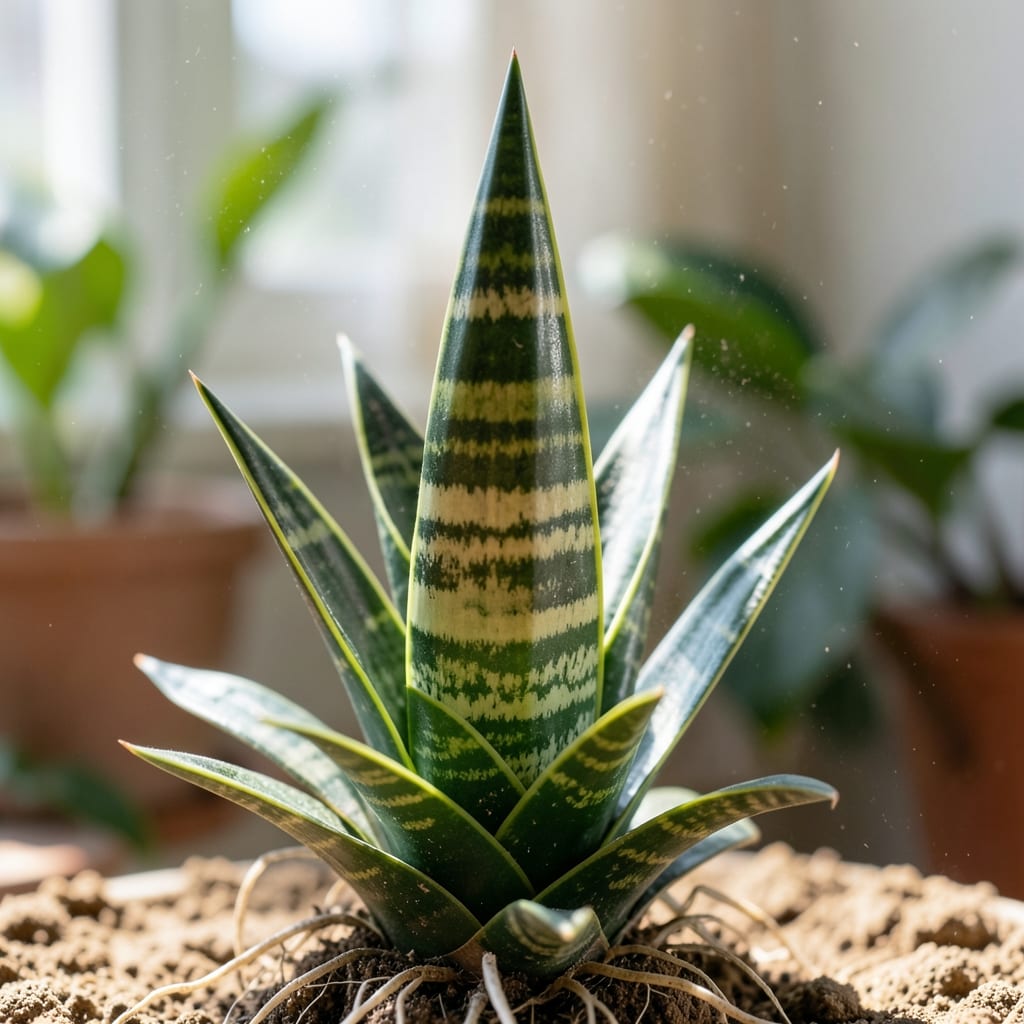
If you’ve ever glanced at your snake plant 🌱 and wondered how tall it can grow, you’re not alone. This hardy houseplant can stretch surprisingly tall—but its growth habits depend on where you grow it and how you care for it.
The average snake plant indoors might reach 2-4 feet over a few years, while outdoor varieties in warm climates can surge to 6 feet or more. That’s a big difference, and it all comes down to light, space, and a few simple care tweaks.
Whether you’re dealing with a compact 'Futura Superba' or a towering 'Mother-in-Law’s Tongue,' I’ll break down exactly what influences your plant’s height—and how to keep it at your ideal size.
Let’s explore the factors that turn your snake plant from a modest tabletop decoration into a vertical statement piece (or not, if you prefer!).


Snake plant height by growing environment: indoor vs outdoor growth limits
Your snake plant’s height isn’t set in stone—it’s shaped by where you grow it. Indoor plants typically stay shorter due to limited light, while outdoor varieties can stretch dramatically in sunny climates. Let’s break down the key differences so you can predict (and control) your plant’s growth trajectory.
The average indoor snake plant reaches 2-4 feet over 3-5 years, while outdoor specimens in ideal conditions can hit 6 feet or taller. The difference comes down to light exposure, space availability, and care habits. Even the same variety will grow differently indoors vs. outdoors.
Here’s how your snake plant’s height compares based on its environment, including growth rates and space considerations:
🌿Outdoor snake plants thrive in USDA Zones 9–11 where they get full sun exposure. In these conditions, varieties like 'Moonshine' or 'Golden Hahnii' can grow 3–4 feet tall in just 2 years. Meanwhile, 'Futura Superba'—a popular indoor variety—rarely exceeds 3 feet indoors but can double in height outdoors.
If you’re growing your snake plant indoors, place it near an east- or north-facing window to maximize light without scorching the leaves. Artificial grow lights can also boost growth if natural light is limited. Just avoid direct southern sunlight, which can cause leaf burn.
For outdoor growth, choose a spot with well-draining soil and protection from frost. In colder zones, bring potted snake plants indoors before temperatures drop below 50°F. Mulching around the base helps regulate soil temperature and retain moisture during dry spells.
Pro tip: Rotate your plant every few months to ensure even growth. Indoor plants often lean toward light sources, creating an uneven silhouette. A simple quarter-turn keeps your snake plant upright and balanced as it grows.
Now that you know the basics, let’s dive into the 5 key factors that determine how tall your snake plant will grow—and how to control its height for your space.
Snake plant height by growing environment: indoor vs outdoor growth limits
Your snake plant’s height potential varies dramatically between indoor and outdoor environments. While indoor plants often stay compact due to limited light, outdoor varieties can become towering giants when given the right conditions. Understanding these differences helps you set realistic expectations for your Sansevieria.
The key difference lies in light exposure. Outdoor plants bask in direct sunlight, fueling rapid vertical growth, while indoor plants stretch toward artificial light sources or grow slowly in dim corners. Even the same variety can look entirely different depending on its location.
Let’s compare how your snake plant might grow in each setting, including the maximum height you can expect and how to optimize its growth for your space.
| Factor | Indoor Growth | Outdoor Growth |
|---|---|---|
| Light Conditions | Low to bright indirect light | Full sun to partial shade |
| Maximum Height | 2-4 feet over 3-5 years | 4-6 feet (or taller) |
| Growth Rate | Slow (1-2 inches per year) | Fast (6-12 inches per year) |
| Leaf Width | Narrow (1-2 inches) | Wide (2-4 inches) |
| Space Needs | Compact (6-12 inch pots) | Large (12+ inch pots or ground planting) |
| Care Tip | Rotate plant for even growth | Stake tall varieties for support |
Outdoor snake plants thrive in USDA Zones 9-11, where they can reach their full 6-foot potential within 3-5 years. In cooler zones, they’ll grow more slowly but still outpace indoor counterparts. For example, a 'Futura Superba' might stay under 3 feet indoors but stretch to 5 feet outdoors.
If you’re growing your snake plant indoors, place it near an east or north-facing window to maximize light without risking leaf burn. Avoid south-facing windows unless you provide sheer curtains to diffuse the intensity. Even with optimal light, expect slower growth compared to outdoor plants.
For outdoor growth, choose a spot with morning sun and afternoon shade to prevent leaf scorch. In containers, ensure the pot has drainage holes and is at least 12 inches deep to accommodate root growth. Mulch around the base to retain moisture and regulate soil temperature.
Remember, even the tallest snake plants grow at their own pace. Patience and proper care will determine whether your plant becomes a ceiling brush or a compact tabletop centerpiece.