
Size
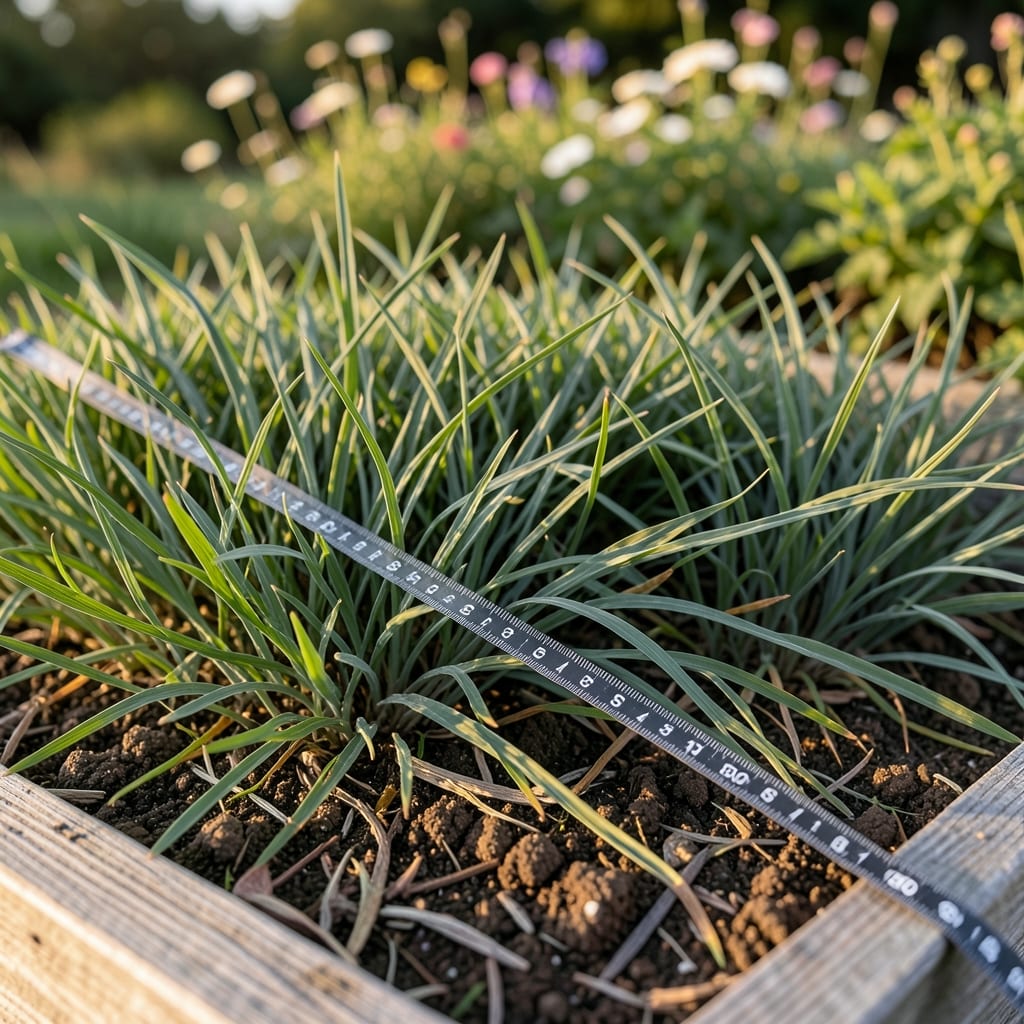
St. augustine grass height by variety: mature growth ranges explained
St. Augustine grass thrives in warm climates and offers diverse height ranges depending on the variety you choose. Some types grow as short as 1 foot, while others can reach 4 feet tall if left unchecked. Understanding these differences helps you select the right type for your lawn's aesthetic and maintenance needs. Let's explore the most popular varieties and their mature heights.
The Floratam variety is one of the most widely planted types, known for its moderate height and drought tolerance. It typically matures between 2 to 3 feet tall, making it ideal for homeowners who want a lush lawn without excessive upkeep. This variety is also more resistant to diseases, which can indirectly affect its height by promoting healthier growth patterns.
Palmetto St. Augustine grass is another favorite, especially in coastal regions. It tends to grow slightly taller than Floratam, usually reaching 2.5 to 4 feet at maturity. Its broader blades create a dense, shade-tolerant lawn, but this can also mean more frequent mowing to keep it under control. If you live in a humid, coastal area, Palmetto might be your best bet for a thriving, green lawn.
For those seeking a shorter, low-maintenance lawn, the Raleigh variety is an excellent choice. Raleigh typically stays between 1 to 2 feet tall and is well-suited for urban landscapes where space is limited. Its finer texture also makes it easier to mow, reducing the time and effort required to maintain its height. However, it may require more frequent watering to stay lush.
The Bitterblue variety is the tallest of the bunch, often reaching 3 to 4 feet tall if not regularly mowed. It’s prized for its deep green color and ability to thrive in shadier conditions, but its height can make it less practical for small yards. Bitterblue is best suited for larger properties where its height can be managed with proper mowing techniques and fertilizer schedules.
Dwarf varieties, such as ‘Seville’ or ‘Midnight’, are specifically bred to stay shorter, typically between 1 to 2 feet tall. These types are perfect for ornamental lawns or areas where a neat, manicured look is desired. They require more precise care but reward you with a lawn that stays compact and easy to manage year-round.
Genetics play a huge role in determining how tall your St. Augustine grass will grow. Some varieties are naturally taller and broader, while others are bred to stay shorter and denser. If you’re planting from seed or sod, always check the variety’s description to ensure it matches your lawn’s height goals. For example, if you want a low-maintenance lawn, stick with Raleigh or dwarf types, while Palmetto or Bitterblue will give you a taller, more dramatic look.
Choosing the right variety isn’t just about height—it’s also about how well it adapts to your climate and maintenance routine. For instance, Floratam’s moderate height makes it a versatile choice for most homeowners, while Bitterblue’s height might be better suited for larger properties or landscaped areas where its stature can be an asset. Always consider how much time you’re willing to spend mowing and maintaining your lawn before selecting a variety.
If you’re unsure which variety to pick, start with Floratam or Raleigh, as they offer a good balance of height, durability, and ease of care. These types are widely available and adapt well to a variety of conditions, making them a safe bet for beginners. Once you’re comfortable with their growth patterns, you can experiment with taller or shorter varieties to achieve your ideal lawn height.
St. augustine grass height by variety: mature growth ranges explained
St. Augustine grass thrives in warm climates but can reach drastically different heights depending on the variety you choose. Some types stay low and dense, while others grow tall and spread aggressively. If you're planting for a neat, manicured look, dwarf varieties are ideal, whereas standard types may need regular mowing to control their height.
Genetics play a huge role in determining how tall your lawn will grow. For example, Floratam is a popular dwarf variety that typically stays between 1 to 2 feet tall, making it perfect for low-maintenance lawns. Meanwhile, standard varieties like Raleigh or Bitterblue can reach 3 to 4 feet if left unchecked, creating a lush but taller landscape.
🌱 St. Augustine Grass Height Comparison
| Variety | Mature Height Range | Growth Habit | Best For |
|---|---|---|---|
| Floratam | 1–2 ft | Dwarf, dense | Low-maintenance lawns |
| Palmetto | 2–3 ft | Semi-dwarf, spreading | Shade tolerance |
| Raleigh | 3–4 ft | Tall, coarse | Informal landscapes |
| Bitterblue | 2–3.5 ft | Medium, dense | Heat and drought resistance |
If you're unsure which variety to pick, consider your climate zone and maintenance goals. For instance, Floratam is ideal for USDA zones 8–10 and requires minimal mowing, while Raleigh thrives in cooler coastal areas but may need frequent trimming. Always check the seed packet or sod label for exact height ranges, as environmental factors can influence growth.
Another key factor is whether you're planting from seed or sod. Sod grows faster and reaches its mature height quicker, often within 1–2 growing seasons. Seeds, however, may take 2–3 years to fully establish, meaning height control takes longer. If you're starting from scratch, plan accordingly to avoid overgrowth during the early stages.
For homeowners in humid climates, like Florida or the Gulf Coast, St. Augustine grass can grow 20–30% taller due to abundant moisture and heat. In contrast, varieties in drier inland areas (like parts of Texas) may stay shorter unless overwatered. Always monitor your lawn’s growth and adjust your watering and mowing schedule to keep it at your desired height.
Choosing the right variety isn’t just about height—it’s also about disease resistance and color retention. For example, Floratam stays green longer in hot summers, while Raleigh may brown faster but grows taller. Balance your preferences for appearance, maintenance, and climate suitability to pick the perfect fit for your yard.