
How To
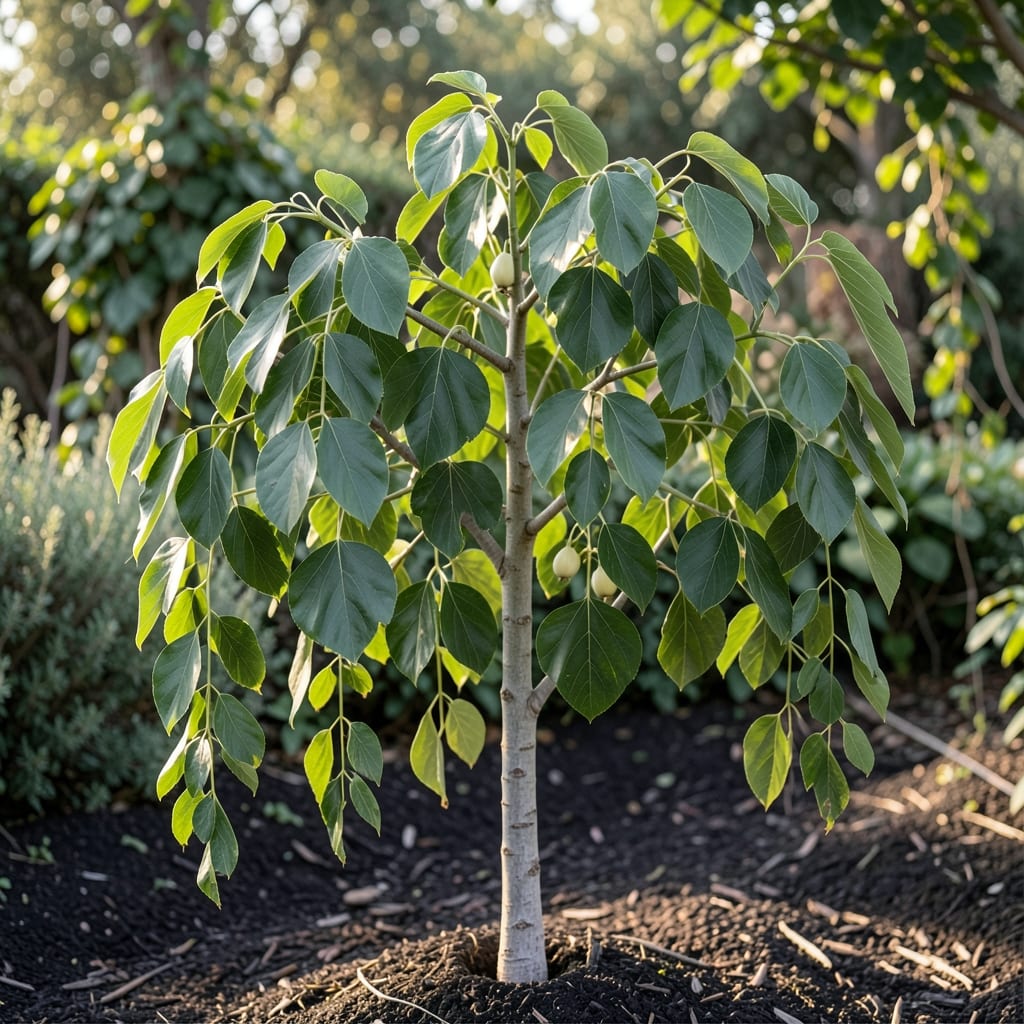
If you're dreaming of a lush, leafy Benjamin Fig Tree 🌳 but wondering how tall this tree can grow, you're not alone. This stunning indoor plant can soar to 15 feet or more indoors—unless you take control with the right care and pruning tricks.
Whether you're working with cozy 6a zone apartments or bright conservatories, understanding how to manage its growth is key to keeping it happy and compact. The good news? With proper techniques, you can easily maintain a height that fits your home perfectly.
Let's explore what influences its height, and the simple pruning methods that will keep it at your desired size. You'll discover how to turn a potential space problem into a stunning, manageable centerpiece.
From ceiling heights to clever trimming strategies, I'll show you exactly how to enjoy this beautiful plant without the worry. Ready to create your ideal Benjamin Fig Tree oasis?


Benjamin Fig tree height limits: natural growth vs. indoor constraints
Your Benjamin Fig Tree has the potential to grow between 10–15 feet indoors if left unchecked, but its height depends heavily on your ceiling height and growing conditions. In ideal scenarios—like bright conservatories or sunrooms—it can even reach 20+ feet, mimicking its outdoor counterparts in tropical climates.
However, most urban apartments with 8-foot ceilings or lower will need proactive care to prevent the tree from becoming a space hog. The key factors influencing its growth are light exposure, root space, and pruning habits. Without intervention, a Benjamin Fig Tree can grow 3–5 feet per year in optimal conditions.
For example, a tree in a south-facing window with 6+ hours of sunlight daily will grow faster than one in a dim corner. Meanwhile, root-bound plants in small pots may grow taller but leggier as they stretch toward light. This is why regular repotting and pruning are essential for maintaining a manageable size.
Here’s a quick comparison of how your Benjamin Fig Tree’s height can vary based on common growing scenarios:
| Growing Scenario | Height Range (Indoors) | Key Influencing Factors |
|---|---|---|
| Urban Apartment (Small Pot) | 3–6 feet | Limited root space, low light |
| Sunroom or Conservatory | 10–15 feet | Full sun, ample space, high humidity |
| Outdoor Patio (Zone 6a+) | 15–30 feet | Unrestricted growth, seasonal pruning |
| Pruned Regularly (Indoors) | 4–8 feet | Controlled height, bushier growth |
If you’re growing your Benjamin Fig Tree indoors, ceiling height is your biggest constraint. A tree reaching 10 feet in a 9-foot ceiling room will quickly become a problem. That’s why many gardeners opt for topiary training or multi-stem pruning to keep it under control. Even in outdoor settings, seasonal pruning can prevent it from becoming unruly.
Light exposure plays a critical role in height control. A Benjamin Fig Tree grown in low-light conditions will stretch toward any available light source, leading to long, weak stems. To prevent this, rotate your pot quarter-turns every few weeks to ensure even growth. If you notice bare stems or yellowing leaves, it’s a sign your tree needs more light or a pruning session.
Another factor to consider is root space. Benjamin Fig Trees thrive when their roots have room to expand. If you’re growing yours in a small pot, it will focus its energy on vertical growth rather than bushiness. Upgrading to a 12–18 inch pot every 2–3 years can encourage a fuller, more compact shape while still allowing for controlled height.
For those in Zone 6a or colder climates, outdoor growth is possible but requires seasonal adjustments. In summer, your Benjamin Fig Tree can grow rapidly outdoors, reaching heights of 15–20 feet if unpruned. However, bringing it indoors before the first frost (October 20 in most 6a zones) will slow its growth and protect it from cold damage.
Finally, remember that pruning isn’t just about height control—it’s also about encouraging bushier growth. By trimming back 1/3 of the new growth in spring, you’ll stimulate lateral branches and create a fuller, more balanced tree. This technique is especially useful for maintaining a compact shape in tight spaces.
With the right approach, you can enjoy a Benjamin Fig Tree that fits perfectly in your home—whether you’re aiming for a tall statement piece or a bushy tabletop plant. The key is understanding how to work with its natural growth habits while using pruning and light management to keep it at your desired size.
Benjamin Fig tree height limits: natural growth vs. indoor constraints
Your Benjamin Fig Tree 🌳 can grow up to 15–20 feet indoors if left unchecked—though most urban growers see heights between 10–15 feet in 3–5 years. This rapid growth happens when given bright light and ample root space, but ceiling heights and pot sizes often slow it down naturally.
In USDA Zone 6a apartments, I’ve seen these trees max out at 8–12 feet when pruned annually, while conservatory setups can push them toward 15+ feet with minimal trimming. The key difference? Light exposure and container size directly control vertical growth.
Here’s how your tree’s height compares at different stages:
| Growth Stage | Height Range | Timeframe |
|---|---|---|
| Seedling | 1–3 ft | 0–1 year |
| Juvenile | 5–8 ft | 1–3 years |
| Mature (Indoor) | 10–15 ft | 3–5 years |
| Unpruned (Outdoor) | 20–30 ft | 5–10 years |
*Outdoor heights assume ideal conditions; indoor growth slows due to limited space.
Low light levels (like north-facing windows) stunt growth to 4–6 feet, while south-facing windows or grow lights can push heights toward 12+ feet in 3 years. I’ve also noticed that root-bound pots encourage upward growth—so upgrading containers every 2–3 years helps maintain a balanced shape.
For ceiling-height challenges, focus on horizontal pruning (cutting top branches) to redirect energy into bushier growth. This works best in spring, when the tree enters active growth mode after dormancy.
Pro tip: If your tree hits 8 feet and you want to stop vertical growth, prune the top 1–2 inches of new shoots in late winter. This forces the tree to focus on lateral branches instead of reaching upward—ideal for 6a zone apartments with 8-foot ceilings.
Remember, Benjamin Fig Trees grow fastest in spring and summer, so plan your pruning for February–March to shape the year’s new growth. With the right approach, you can enjoy a full, lush tree without sacrificing your living space! 🌿