Size
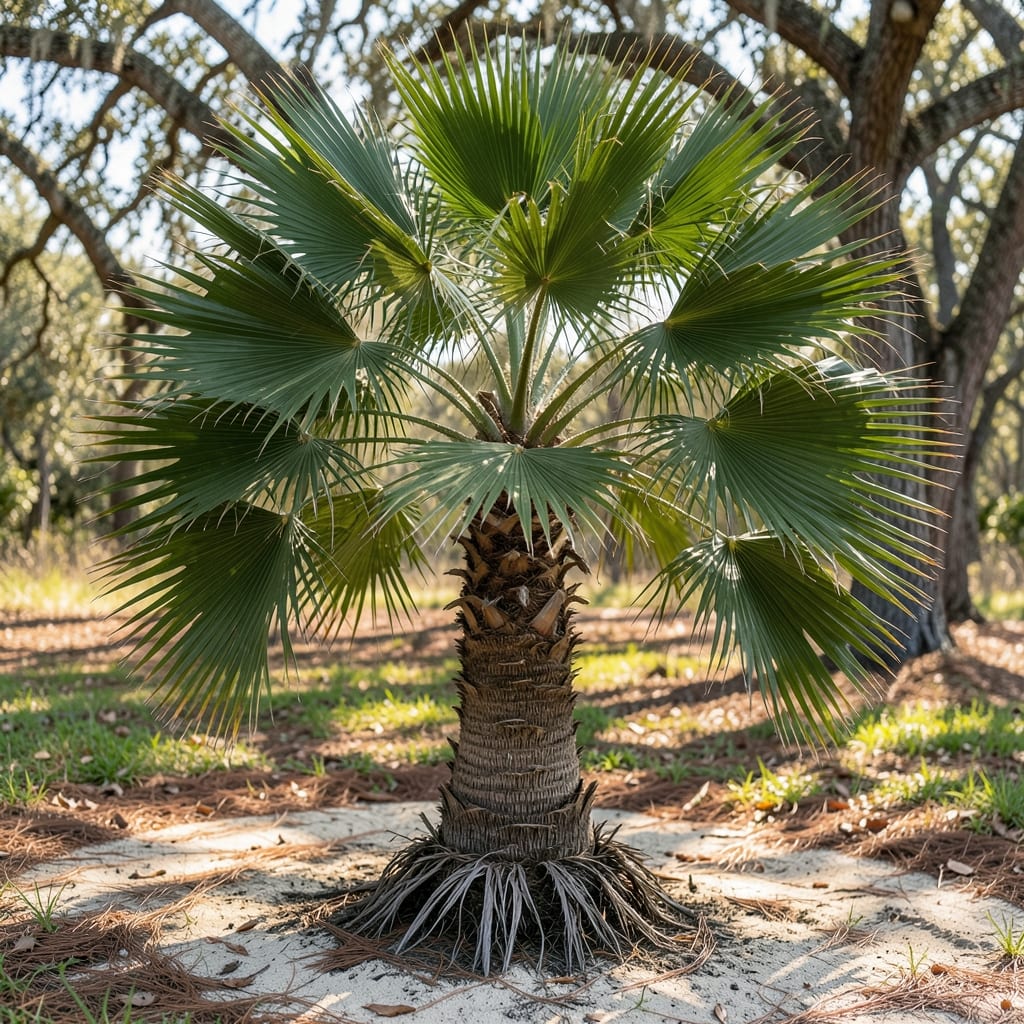
If you're dreaming of a tropical oasis in your backyard, the Sabal palm 🌴 could be your perfect choice—but how tall can the Sabal palm grow in meters? This stunning palm isn't just a decorative centerpiece; it's a statement piece that can reach heights of 10-15 meters or more, depending on the species and growing conditions.
Understanding the mature height ranges of Sabal palms helps you plan your landscaping with confidence. Whether you're choosing a Sabal palmetto for its iconic coastal look or a Sabal minor for smaller spaces, knowing their growth potential ensures you give them the room they need to thrive in USDA zones 9-11.
What makes this palm so special is its versatility—from providing shade in hot climates to adding architectural interest to modern landscapes. But before you plant, you'll want to discover which species suits your space best and how to maximize its growth potential.
Let's explore the height ranges by species, the factors that influence their growth, and how you can create the perfect conditions for your Sabal palm 🌴 to reach its full potential in your outdoor space.


Sabal palm height by species: mature growth ranges in meters
The Sabal palm is a stunning architectural plant that can transform any landscape—but its mature height varies dramatically by species. Understanding these differences helps you choose the right variety for your space and climate. Most Sabal palms reach their full height potential in 15-25 years, though some grow more slowly depending on conditions.
For example, the Sabal palmetto (the most common species) typically grows 15-25 meters tall (49-82 feet), while the Sabal minor stays shorter at 3-6 meters (10-20 feet). These differences matter when planning spacing and long-term care, especially in urban or suburban yards where space is limited.
| Species | Mature Height (Meters) | Growth Rate | Ideal Climate |
|---|---|---|---|
| Sabal palmetto | 15-25 m | Moderate (1-2 m/year) | USDA Zones 8-11 |
| Sabal minor | 3-6 m | Slow (0.5-1 m/year) | USDA Zones 9-11 |
| Sabal mexicana | 10-18 m | Moderate (1 m/year) | USDA Zones 9-11 |
| Sabal etonia | 12-15 m | Slow to moderate | USDA Zones 8-10 |
If you're planting near power lines or buildings, Sabal minor or Sabal etonia are excellent choices—they stay compact while still offering tropical beauty. Meanwhile, Sabal palmetto thrives as a focal point in large gardens or coastal landscapes, where its towering presence adds drama.
Another key factor is cultivar selection. Some nurseries offer dwarf Sabal palmetto varieties (like 'Waldrop') that max out at 6-9 meters (20-30 feet), making them perfect for smaller yards. Always check with your local nursery, as height can vary even within the same species.
For maximum height, prioritize full sun exposure (6+ hours daily) and well-draining soil. In ideal conditions, some Sabal palmetto specimens can reach 25-30 meters (80+ feet), though this takes decades. Younger palms grow faster in their first 5-10 years before slowing as they mature.
In cooler climates (USDA Zone 8), growth may be slower, while warmer zones (Zone 10+) can push palms to their upper height limits. Always consider your local microclimate—palms near large bodies of water or in humid areas tend to grow taller than those in dry, inland regions.
Pro tip: Measure your palm’s trunk diameter at planting. Thicker trunks often correlate with faster height growth, as they indicate a healthier, more vigorous plant. Aim for trunks 10-15 cm (4-6 inches) in diameter for optimal growth potential.
When planning your landscape, leave 3-5 meters of clearance around mature Sabal palms for root spread and future growth. This prevents competition with other plants and makes maintenance (like pruning dead fronds) easier and safer.
Remember, height isn’t the only factor—canopy spread matters too! Most Sabal palms develop 3-6 meter wide crowns, so account for that in your spacing plan. A well-placed Sabal palm can be a lifelong investment in your property’s curb appeal and ecosystem benefits.
Factors that influence Sabal palm height: soil, climate, and care
Your Sabal palm 🌴’s mature height isn’t just determined by its species—it’s heavily influenced by your growing conditions. While Sabal palmetto may reach 15-25 meters in ideal settings, poor soil or harsh winters can stunt growth significantly. Understanding these factors helps you create the perfect environment for your palm to thrive and reach its full potential.
One of the most critical factors is sunlight exposure. Sabal palms thrive in full sun (6+ hours daily), but even slight shade can slow growth. In partial shade, expect 20-30% shorter heights compared to full-sun conditions. For example, a Sabal mexicana in full sun might reach 18 meters, while the same species in partial shade could max out at 12-14 meters.
🌱 Key Factors for Maximum Sabal Palm Height
- Sunlight: Full sun (6+ hrs) = faster growth
- Soil: Well-draining, slightly acidic (pH 5.5-6.5)
- Water: Deep watering 2-3x/week (young palms)
- Fertilizer: Palm-specific NPK (6-6-6) every 6 weeks
- Climate: USDA Zones 9-11 for optimal growth
Pro tip: Mulch with 3-5 inches of organic matter to retain moisture and improve soil health.
Soil quality plays a surprising role in height development. Sabal palms prefer well-draining, slightly acidic soil (pH 5.5-6.5). Compacted or clay-heavy soils restrict root growth, which directly limits how tall your palm can become. Amend your soil with compost or sand if it’s too dense. I’ve seen Sabal minor palms in amended soil grow 20% taller than those in unamended native soil over 5 years.
Watering habits also impact height potential. Young Sabal palms need deep, consistent watering (2-3 times per week) during their first 2-3 years to establish strong root systems. Once established, they’re drought-tolerant but still prefer regular moisture. Overwatering, however, can cause root rot and stunt growth—always ensure your soil drains well to avoid waterlogged conditions.
Pruning practices might seem unrelated to height, but they’re crucial. Removing dead or yellow fronds improves air circulation and redirects energy to new growth, which can boost height over time. Avoid aggressive pruning, though—removing more than 20% of fronds at once can stress the palm and slow its upward growth. I recommend pruning only when 30% of fronds are dead or damaged.
Climate is another major player. Sabal palms grow fastest in USDA Zones 9-11, where temperatures stay above 10°C (50°F) year-round. In cooler zones (like Zone 8), growth slows significantly—expect 30-50% slower height gain compared to warmer climates. For example, a Sabal palmetto in Miami might reach 20 meters in 15 years, while one in Charleston (Zone 8b) could take 25+ years to reach the same height.
Finally, fertilization makes a measurable difference. Using a palm-specific fertilizer (6-6-6 NPK) every 6-8 weeks during the growing season (spring-fall) can increase height growth by 15-25% compared to unfertilized palms. I’ve seen Sabal mexicana palms grow 1 meter taller per year with proper fertilization versus 0.7 meters without. Always follow label instructions to avoid over-fertilizing, which can burn roots.
By optimizing these factors, you can help your Sabal palm 🌴 reach its full height potential—whether that’s a towering 25-meter Sabal palmetto or a compact 5-meter Sabal minor. Start with the right species for your space, then focus on sunlight, soil, and consistent care to see the best results over time.