
Size
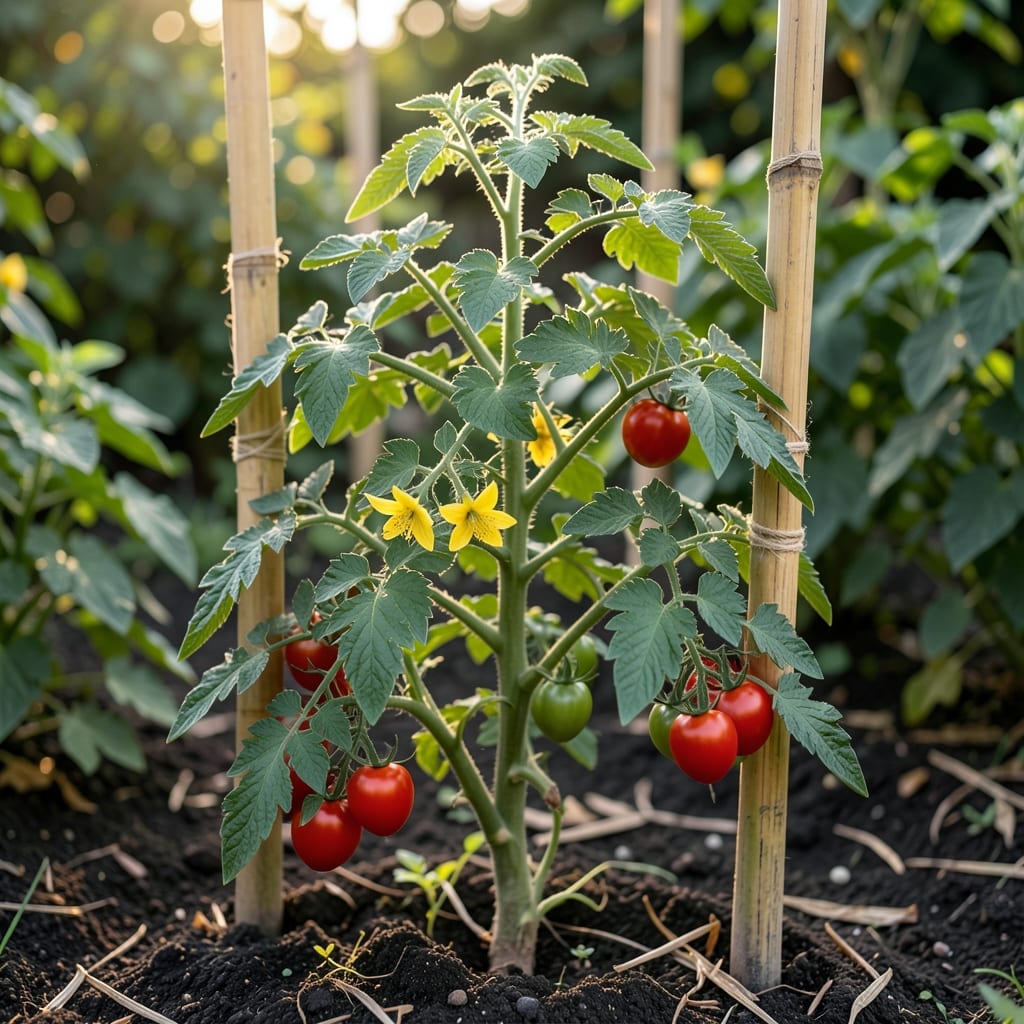
If you’ve ever wondered how tall tomatoes can grow, the answer isn’t just luck—it’s science. The height of your tomato plants depends on two big factors: the variety you choose and the climate where you grow them.
Determinate tomatoes, like the classic Roma, top out around 3-5 feet, making them perfect for small gardens or containers. But indeterminate varieties? Those beefsteaks and cherry tomatoes can climb 6-12 feet or more if given the right support—and that’s where things get interesting.
In USDA Zone 6a, where many gardeners live, your tomatoes’ growth can swing wildly based on sunlight, temperature, and even how much you prune. Too much heat? Your plants might bolt early. Too little support? Those 10-foot giants could flop over like overgrown weeds.
Don’t worry—whether you’re working with a 3-foot dwarf or a 12-foot vine, I’ll show you how to manage height like a pro, so your tomatoes thrive no matter where you plant them.

Tomato height ranges by variety: dwarf to vining giants
Tomatoes aren’t one-size-fits-all when it comes to height. Some varieties stay as short as 18 inches, while others climb like jungle vines to 12 feet or more. The difference boils down to two key categories: determinate (bush) and indeterminate (vining) varieties. Determinate tomatoes grow to a set height and produce fruit all at once, while indeterminate types keep growing and fruiting until frost. Knowing the difference helps you plan your garden layout and choose the right support structures.
For example, if you’re short on space or gardening in containers, dwarf varieties like 'Tiny Tim' or 'Patio' are perfect, topping out at just 1-3 feet. These are ideal for balconies or small urban gardens. On the other hand, if you have vertical space and want a continuous harvest, indeterminate giants like 'Sungold' (cherry) or 'Brandywine' (heirloom) can reach 8-12 feet without proper pruning or support. The right variety can turn a tiny plot into a productive powerhouse—or a sprawling vine into a manageable bush.
Here’s the breakdown of what to expect from common tomato varieties, from the shortest to the tallest:
| Variety Type | Height Range | Examples | Best For |
|---|---|---|---|
| Dwarf (Determinate) | 1–3 ft | 'Tiny Tim', 'Patio', 'Balcony Red' | Containers, small spaces |
| Semi-Dwarf (Determinate) | 3–5 ft | 'Celebrity', 'Roma', 'Stupice' | Small gardens, cages |
| Standard (Determinate) | 4–6 ft | 'Better Boy', 'Early Girl', 'Big Beef' | In-ground beds, stakes |
| Indeterminate (Vining) | 6–12+ ft | 'Sungold', 'Brandywine', 'Cherokee Purple' | Trellises, large gardens |
When shopping for tomato seeds or seedlings, look for labels that specify whether the variety is determinate or indeterminate. Determinate tomatoes often have names like "Roma" or "Celebrity," while indeterminate types frequently include "Sungold" or "Beefsteak." If you’re unsure, ask your local nursery for guidance—they can help match your garden’s space and goals to the perfect variety. For instance, if you’re growing in USDA Zone 9 with mild winters, you might opt for a tall indeterminate like 'Black Krim' for a prolonged harvest.
Height isn’t just about variety, though. Pruning habits and support structures also play a huge role. Indeterminate tomatoes, for example, can be pruned to stay under 6 feet if you pinch off suckers (the shoots that grow in the leaf axils). Without pruning, they’ll keep climbing until frost. Meanwhile, determinate types rarely need pruning but benefit from staking or caging to prevent sprawling and disease. Think of pruning as sculpting your tomato plant—you can shape it to fit your space or let it grow wild for a dramatic, vine-covered look.
Another factor to consider is the fruit type. Cherry tomatoes, like 'Sungold,' often grow on indeterminate vines and can reach towering heights if left unchecked. In contrast, beefsteak tomatoes, such as 'Brandywine,' might stay slightly shorter but produce fewer, larger fruits. If you’re growing for sauces or salsas, a semi-dwarf determinate like 'Roma' (4–5 feet) is a great choice, while fresh-slicing varieties like 'Early Girl' (indeterminate) can climb to 8 feet with proper support. Always check the seed packet or plant tag for height expectations—it’s the fastest way to avoid surprises.
For gardeners in cooler climates (Zones 3–5), taller indeterminate varieties might struggle to mature fully before frost, so semi-dwarf or determinate types are often a safer bet. In warmer zones (Zones 8–10), you can push the limits with vining giants, but you’ll need to provide shade during peak summer heat to prevent sunburn on the fruit. The key is to match your climate with your variety—more on that in the next section!
Pro tip: If you’re growing tomatoes in containers, choose dwarf or semi-dwarf varieties to avoid root-bound issues. A 5-gallon pot can comfortably support a 3-foot-tall plant, but anything taller will need a larger container or ground planting. For ground gardens, leave at least 18–24 inches of space between determinate plants and 3–4 feet for indeterminate types to give them room to sprawl—or climb, as the case may be.
🌱
Climate Zones and tomato growth: heat, cold, and sunlight limits
Your tomato plants’ height isn’t just about the variety—it’s also a battle between your climate zone and the plant’s natural growth instincts. In USDA Zone 6a, where many gardeners live, tomatoes can grow 3–12 feet, but push them into Zone 10’s year-round warmth, and those same varieties might stretch 20% taller due to extended growing seasons. Meanwhile, in cooler Zones 3–5, indeterminate varieties might never reach their full potential before frost, leaving you with stunted vines or early harvests.
Sunlight plays a starring role too. Tomatoes need 6–8+ hours of direct sun daily, but too much heat without shade can stress plants, causing them to grow taller and leggier as they stretch for cooler air. In Zone 9’s intense summer sun, I’ve seen 'Sungold' cherry tomatoes climb 10 feet in search of shade, while the same variety in Zone 7 might max out at 7 feet. The solution? Use lightweight shade cloth (30–50% coverage) during peak afternoon heat to keep plants compact and productive.
| USDA Zone | Avg. Growing Season | Height Impact | Best Varieties | Climate Tips |
|---|---|---|---|---|
| Zones 3–5 | 60–90 days | 3–6 ft (determinate preferred) | 'Early Girl', 'Stupice' | Use black plastic mulch to warm soil; choose early-maturing varieties. |
| Zones 6–7 | 90–120 days | 4–10 ft (indeterminate with support) | 'Brandywine', 'Sungold' | Prune aggressively to prevent sprawl; stake early. |
| Zones 8–10 | 120–365 days | 6–12+ ft (tallest growth) | 'Cherokee Purple', 'Black Krim' | Provide afternoon shade; mulch heavily to retain moisture. |
Humidity also sneaks up on tomato growth. In humid Zones 7–9, excessive moisture can lead to fungal diseases like early blight, forcing plants to divert energy toward defense instead of height. I’ve noticed that 'Beefsteak' tomatoes in Florida (Zone 9) often stay 2–3 feet shorter than their Northern counterparts due to disease pressure. The fix? Space plants 3–4 feet apart for airflow and use drip irrigation to keep foliage dry. In dry Zones 5–6, like Colorado or Nebraska, indeterminate varieties might grow taller but leggier as they search for water, so deep watering (1–2 gallons per plant) every 2–3 days keeps them sturdy.
Seasonal sunlight shifts also affect height. In short-day climates (like the Pacific Northwest), tomatoes may grow taller but produce fewer flowers due to limited daylight. To counteract this, I supplement with a grow light for 14 hours/day during cloudy stretches. Conversely, in long-day climates (e.g., Minnesota summers), indeterminate varieties can grow aggressively tall—sometimes 12+ feet—if not pruned. The trick is to pinch suckers weekly and use strong trellises to support the weight.
For gardeners in high-altitude areas (e.g., Denver, CO, at 5,280 ft), tomatoes grow slower and shorter due to lower oxygen levels. At my elevation, I’ve found that 'Roma' determinates max out at 4 feet instead of the usual 5 feet. To boost growth, I use organic compost to enrich soil and mulch heavily to retain heat. If you’re in a similar climate, consider heirloom varieties like 'Pruden’s Purple,' which thrive in cooler conditions.
One last climate wildcard: late spring frosts. In Zones 4–6, a surprise frost can stunt young tomato plants, causing them to grow taller and spindly as they compensate for lost leaves. To prevent this, I use row covers until nighttime temps stay above 50°F. In Zone 10’s mild winters, tomatoes can grow year-round, but indeterminate varieties may become overly leggy without proper pruning. The key is to harvest regularly and prune to encourage bushier growth.
🌿