Flowers
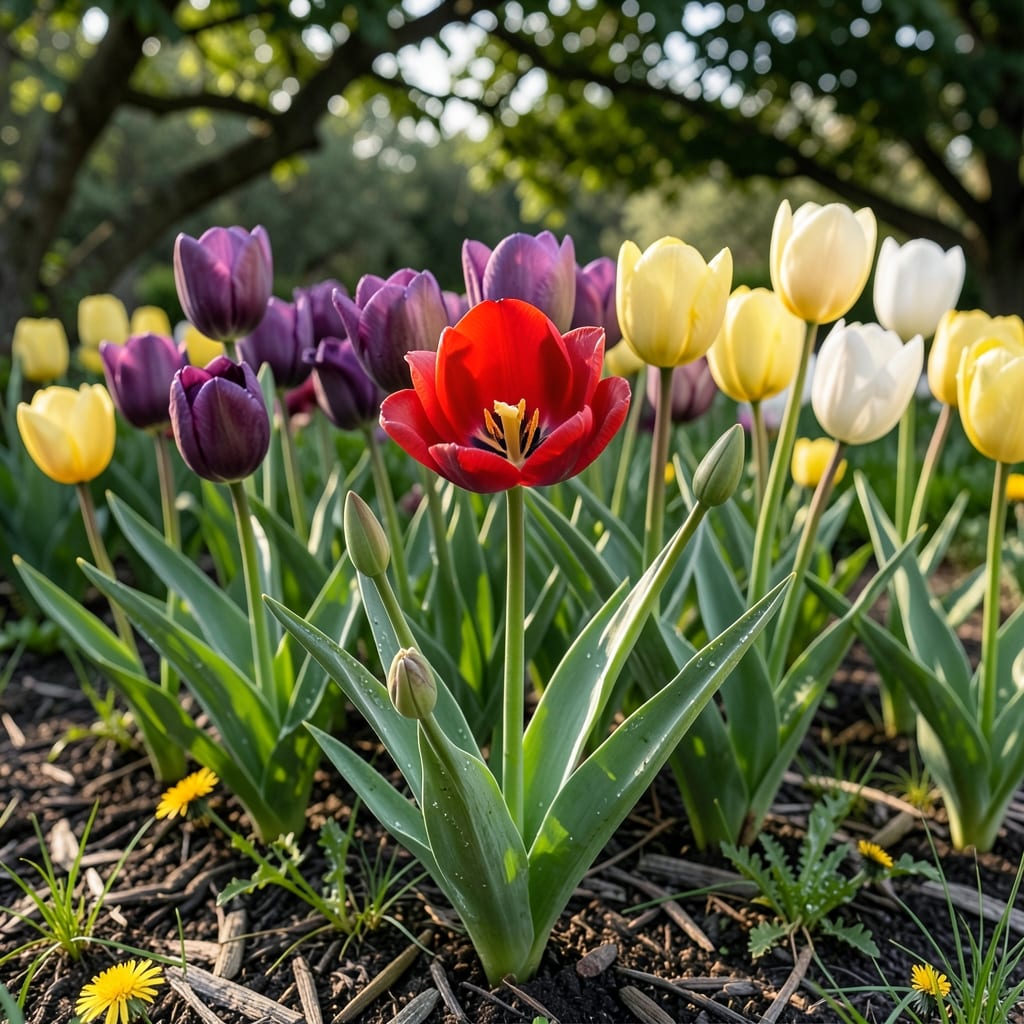
Have you ever wondered just how tall your 🌷 tulips can grow? The answer might surprise you—some varieties stretch nearly as tall as a child, while others stay compact enough for container gardens. Whether you're planning a dramatic spring border or a cozy window display, understanding these height differences is the key to creating the perfect look.
Tulips aren't one-size-fits-all—there's a world of variation between dwarf varieties that barely reach your knee and towering Darwin hybrids that demand space. The right growing conditions can push your tulips to their full potential, but getting it wrong might leave you with stunted blooms instead. Let me show you how to maximize their height naturally.
What you might not realize is that soil quality, sunlight exposure, and even watering habits play a bigger role in tulip growth than most gardeners think. With the right care, you could turn those modest bulbs into eye-catching giants that steal the show in your garden. Let's break down exactly what influences their height and how to give your tulips the best chance to thrive.
From selecting the perfect variety for your space to avoiding common mistakes that limit growth, this guide will help you create stunning tulip displays year after year. Ready to discover how tall your tulips can really grow? Let's get started.


Tulip height by variety: from dwarf to giant blooms
When it comes to tulip height, you'll find an incredible range—some varieties barely reach your ankles while others tower over your head. The height of tulips depends entirely on the variety you choose, with dwarf tulips staying under a foot and giant Darwin hybrids stretching nearly 2.5 feet tall. Understanding these differences helps you plan your garden layout for maximum impact.
For example, Tulipa greigii and Tulipa humilis are classic dwarf tulips perfect for rock gardens or container displays, while Darwin Hybrid varieties like 'Queen of Night' or 'Purple Prince' create dramatic vertical accents. Even within categories, heights can vary—some medium-height tulips like 'Parrot tulips' reach 18-24 inches, while others stay closer to 12 inches.
Here's a quick visual guide to help you visualize these height differences before selecting your varieties:
| Variety Type | Popular Cultivars | Height Range | Best For |
|---|---|---|---|
| Dwarf Tulips | 'Tiny Star', 'Snow Bunny', 'Greigii' | 4-12 inches | Rock gardens, containers, borders |
| Semi-Dwarf Tulips | 'Fosteriana', 'Kaufmanniana', 'Parrot tulips' | 12-18 inches | Front of borders, mixed containers |
| Standard Tulips | 'Apeldoorn', 'Queen of Night', 'Purple Prince' | 18-24 inches | Back of borders, cut flowers |
| Giant Darwin Hybrids | 'Red Emperor', 'Yellow Princess', 'Black Parrot' | 20-28 inches | Dramatic focal points, large gardens |
| Species Tulips | 'Fosteriana', 'Kaufmanniana', 'Tulipa tarda' | 6-24 inches | Naturalized areas, wildflower gardens |
If you're working with limited space, dwarf tulips are perfect for containers or small garden beds. Their 4-12 inch height makes them ideal for edging or pairing with low-growing perennials like ajuga or heuchera. On the other hand, giant Darwin hybrids create stunning vertical interest when planted in groups of three or more.
Pro tip: Mix heights in your garden design by placing taller varieties at the back and shorter ones in front. This creates natural layers and draws the eye through your landscape. For example, pair 24-inch Darwin hybrids with 12-inch semi-dwarf tulips for a balanced, eye-catching display.
Remember that while these are typical height ranges, individual plants may vary by 2-4 inches depending on growing conditions. A well-fed tulip in full sun will often reach the upper end of its range, while one struggling with poor soil or shade may stay shorter. Let's explore how to maximize those heights in the next section.
🌱
Factors that influence tulip height and how to maximize growth
Did you know that tulip height can vary by up to 50% depending on just a few key factors? The soil quality, sunlight exposure, and even watering habits you provide directly impact how tall your tulips grow. For example, a Darwin Hybrid planted in poor soil might only reach 18 inches instead of its full 28-inch potential. Understanding these factors lets you take control of your tulips' growth naturally.
The most critical factor is sunlight exposure. Tulips thrive with 6+ hours of full sun daily, which fuels their growth engines. Without enough light, stems become weak and leggy, while proper sunlight encourages sturdy, taller growth. Even just 2 extra hours of sun can make a noticeable difference in height. If your garden gets partial shade, consider placing your tallest varieties in the sunniest spots to maximize their potential.
Here are the top factors that influence tulip height, ranked by impact:
-
1. Soil Quality
Rich, well-draining soil with compost or bulb fertilizer can increase height by 30%. Test your soil's pH—tulips prefer 6.0-7.0.
-
2. Sunlight
6+ hours of direct sun is ideal. Shade reduces height by 20-40% and weakens stems.
-
3. Watering
Deep watering once weekly (not daily) prevents stunted growth. Overwatering causes rot, while underwatering stresses plants.
-
4. Fertilization
A balanced 5-10-10 fertilizer applied in early spring boosts height by 15-20%. Avoid heavy feeding after blooming.
-
5. Planting Depth
Plant bulbs 6-8 inches deep. Shallow planting produces shorter stems, while deeper planting encourages taller growth.
Let me share my top tip for maximizing tulip height: mulch around the base after planting. A 2-3 inch layer of organic mulch (like straw or shredded leaves) retains moisture, regulates soil temperature, and encourages deeper root growth—both of which contribute to taller stems. Plus, it suppresses weeds that compete with your tulips for nutrients.
Another often-overlooked factor is plant spacing. Crowded tulips fight for resources, resulting in shorter, weaker stems. Space bulbs 4-6 inches apart for dwarf varieties and 6-8 inches apart for giants. This gives roots room to establish, leading to stronger, taller growth. Think of it like giving your tulips personal space to stretch their legs!
For container-grown tulips, choose pots with drainage holes and use a high-quality potting mix. The confined space limits root growth, so your tulips may stay 10-20% shorter than in-ground plants. To compensate, select dwarf varieties or use larger containers (at least 12 inches deep) to accommodate their root systems.
🌿