
Lawn
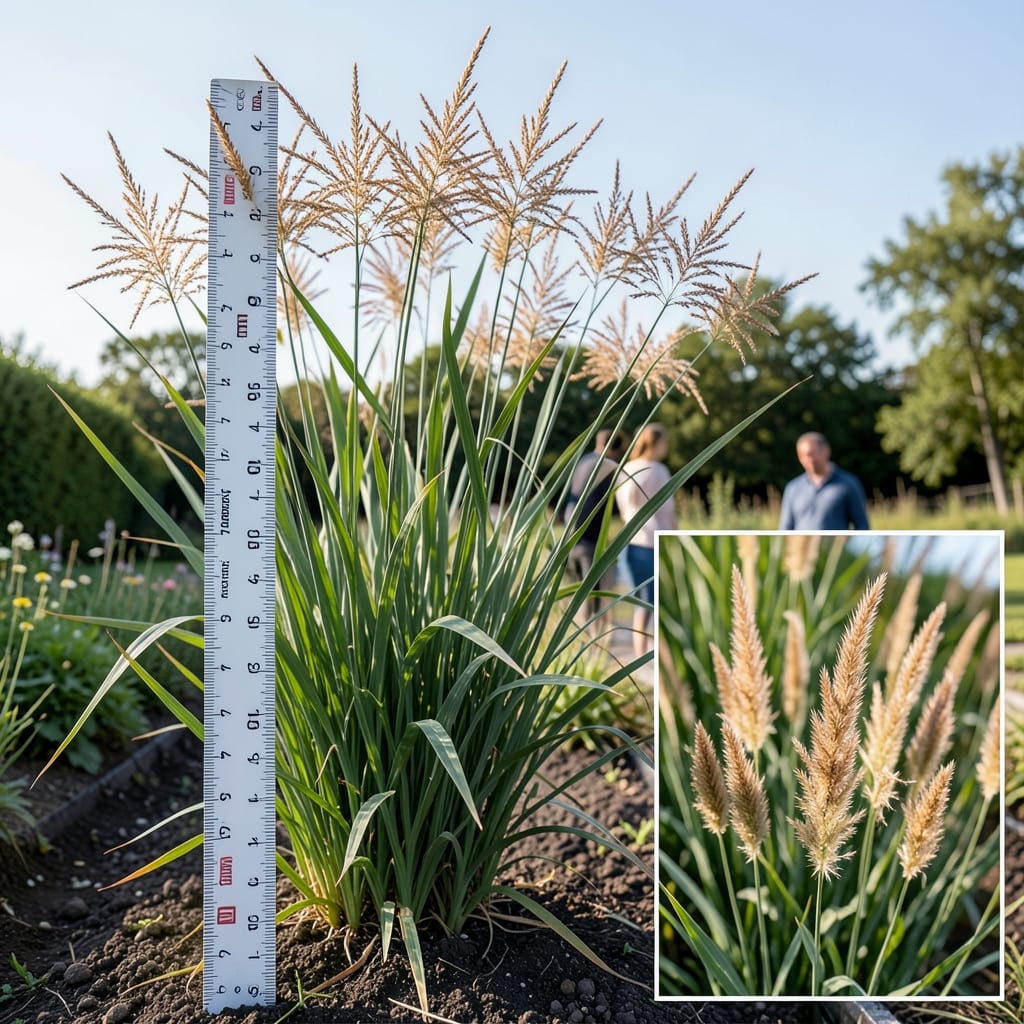
Tallest wild grass species and their maximum heights
Wild grass species are nature's skyscrapers, with some varieties reaching heights that put even the tallest basketball players to shame. The Giant Reed (Arundo donax), for example, can grow up to 20 feet tall under ideal conditions, making it one of the most towering grasses on Earth. These giants thrive in warm climates and well-drained soils, where they can spread aggressively and dominate landscapes.
In North America, Switchgrass (Panicum virgatum) and Big Bluestem (Andropogon gerardii) also reach impressive heights, often between 6 and 12 feet. These native grasses aren't just tall—they're also hardy and drought-resistant, making them popular for restoration projects and wildlife habitats. Their height varies based on regional growing conditions, with wetter climates often producing taller specimens.
Here’s a quick look at some of the tallest wild grass species and their maximum heights:
| Species | Maximum Height | Growing Conditions | Regional Notes |
|---|---|---|---|
| Giant Reed (Arundo donax) | 18–20 ft | Full sun, moist soil, warm climates | Invasive in some areas; thrives in Mediterranean and subtropical regions |
| Switchgrass (Panicum virgatum) | 6–12 ft | Full sun, well-drained soil, drought-tolerant | Native to North America; common in prairies and open fields |
| Big Bluestem (Andropogon gerardii) | 5–10 ft | Full sun, fertile soil, moderate moisture | Dominant in tallgrass prairies; critical for pollinators |
| Reed Canary Grass (Phalaris arundinacea) | 8–12 ft | Full sun to partial shade, wet soils | Common in wetlands; can spread aggressively |
| Tall Fescue (Festuca arundinacea) | 3–6 ft | Full sun, well-drained soil, cool climates | Popular for lawns and pastures; less aggressive than wild types |
Even ornamental grasses like Miscanthus sinensis can reach 8 to 12 feet when grown in optimal conditions. These grasses are prized for their architectural appeal and winter interest, often used in landscaping designs to add vertical drama. Their height is influenced by pruning habits and fertilization practices, with regular trimming keeping them more manageable.
In tropical regions, grasses like Elephant Grass (Pennisetum purpureum) can grow even taller, sometimes exceeding 15 feet in a single growing season. These grasses are often used for livestock forage and erosion control due to their rapid growth and dense root systems. However, their height can also make them challenging to manage in home gardens or urban landscapes.
If you're dealing with wild grass in your yard, understanding the species can help you predict growth patterns and plan management strategies. For example, invasive grasses like Giant Reed can quickly overtake a space, while native species like Switchgrass may require less intervention. Always check local regulations before introducing or removing wild grasses, as some are protected or considered noxious weeds in certain areas.
For gardeners looking to harness the height of wild grasses, consider planting them in dedicated beds or naturalized areas where their growth can be monitored. Pairing tall grasses with shorter perennials creates stunning visual layers in the landscape, adding both height diversity and ecological benefits. Just be prepared for their rapid ascent—these grasses don’t stay small for long!
🌿
How climate and soil affect wild grass growth height
Wild grass height isn't just about the species—it's heavily influenced by climate conditions and soil quality. In tropical climates, grasses like Giant Reed can reach their maximum heights of 18-20 feet thanks to year-round warmth and abundant rainfall. These conditions create the perfect environment for rapid, uninhibited growth, often resulting in denser foliage and thicker stalks that support greater height.
In temperate regions, wild grasses typically grow 30-50% shorter than their tropical counterparts. For example, Switchgrass in the Midwest might only reach 6-8 feet compared to 10-12 feet in warmer southern states. The shorter growing season and cooler temperatures limit their vertical expansion, though they often develop more robust root systems to survive harsh winters.
| Climate Type | Temperature Range | Rainfall | Soil Type | Typical Height |
|---|---|---|---|---|
| Tropical | 75-90°F year-round | High (40"+ annually) | Moist, well-drained | 15-20 ft |
| Temperate | 30-85°F (seasonal) | Moderate (20-40" annually) | Loamy, fertile | 6-12 ft |
| Arid/Semi-Arid | 50-95°F (extreme daily swings) | Low (10-20" annually) | Sandy, poor nutrients | 2-6 ft |
| Alpine | 32-65°F (cool nights) | Variable (snowmelt) | Peaty, acidic | 1-4 ft |
The soil composition plays an equally critical role. Grasses grown in nutrient-rich loam with good drainage can reach their full height potential, while those in sandy or clay soils often struggle to exceed 50% of their maximum height. For example, Big Bluestem in prairie soils can grow 8-10 feet, but the same species in urban garden beds with compacted soil might only reach 4-6 feet.
Water availability is another game-changer. Wetland grasses like Reed Canary Grass thrive in saturated soils and can reach 10-12 feet, while drought-tolerant species like Switchgrass may only grow 4-6 feet in arid conditions. Even within the same species, irrigation practices can dramatically alter height—overwatering can lead to weak, floppy stalks, while consistent deep watering promotes stronger, taller growth.
Sunlight exposure also matters, though most wild grasses prefer full sun. In shady conditions, grasses typically grow 20-30% shorter and develop thinner stalks. For instance, Miscanthus sinensis in partial shade might only reach 6 feet instead of its potential 10 feet. The intensity of sunlight during the plant's vegetative growth phase (spring to early summer) is particularly critical for determining final height.
Understanding these factors helps gardeners predict growth patterns and create optimal conditions for their desired grass height. Whether you're aiming for privacy screens or wildlife habitat, adjusting soil nutrients, watering schedules, and sunlight exposure can make a dramatic difference in how tall your wild grasses will grow.
🌡️