
Size
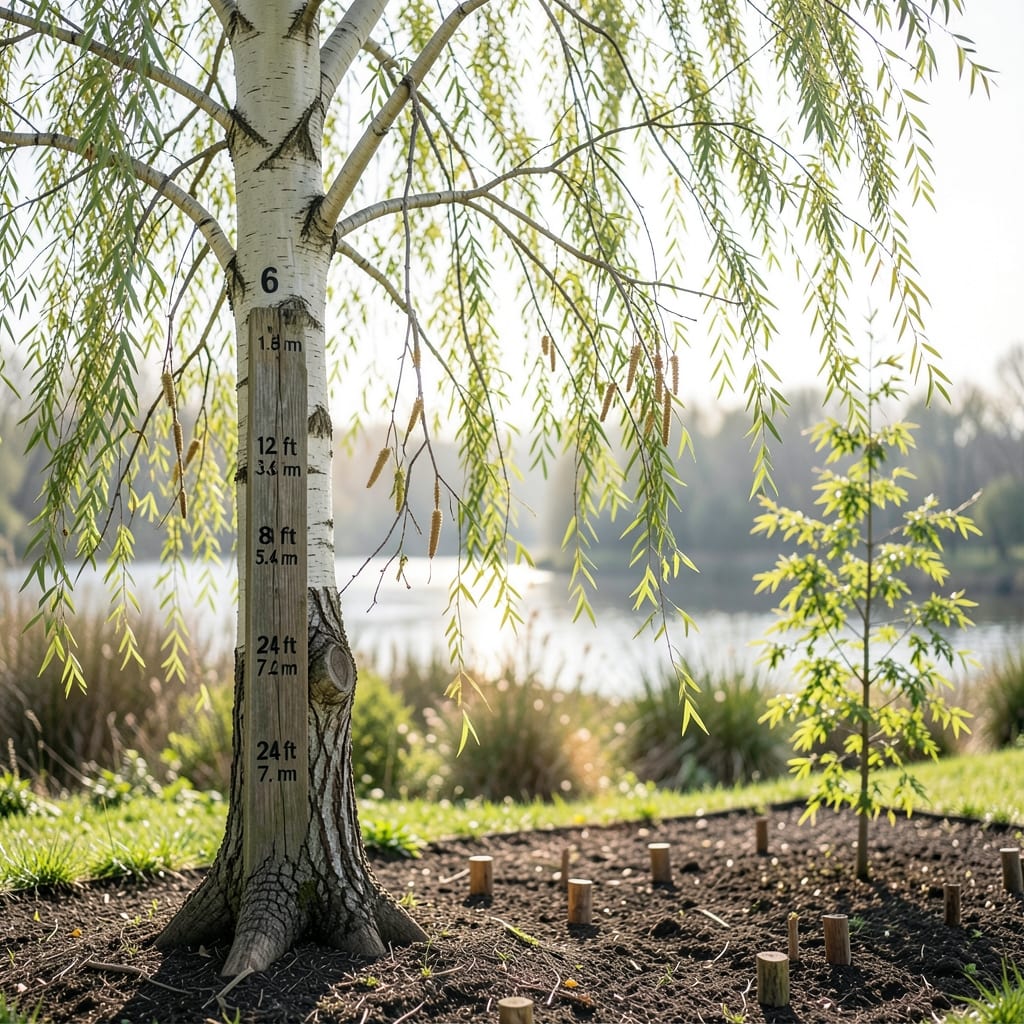
If you’ve ever wondered how tall willow trees can grow, the answer might surprise you—some varieties stretch over 100 feet, while others stay compact enough for small yards. The fastest-growing willow trees can shoot up 3-6 feet per year, making them nature’s speed demons, but choosing the right species is key to fitting them into your space.
Willow trees like the weeping willow 🌳 are famous for their dramatic height, but they’re not the only option. Whether you’re dreaming of a towering shade tree or a manageable ornamental, understanding the height potential of different willows helps you pick the perfect fit. Let’s break down the tallest, fastest, and most space-friendly varieties so you can make an informed choice.
What’s the secret to their rapid growth? It’s a mix of genetics, soil moisture, and sunlight—willows thrive in wet conditions but can adapt to various climates. If you’re worried about them outgrowing your yard, don’t stress: we’ll also cover how to control their height with pruning and other tricks. Ready to discover the best willow for your space?
From backyard giants to petite garden accents, willow trees offer something for every landscape. Whether you’re a homeowner with a sprawling yard or a city dweller with limited space, there’s a willow variety that’ll work for you. Let’s dive into the details so you can grow the perfect tree—tall or small—without the guesswork.


Willow tree height by species: fastest-growing giants vs. compact varieties
Willow trees are famous for their explosive growth—some varieties can shoot up 3-6 feet per year under ideal conditions. But not all willows reach skyscraper heights. The Black Willow (Salix nigra) often tops out at 40-60 feet, while the Pussy Willow (Salix discolor) stays a modest 12-20 feet. Your choice of species determines whether you’ll need a quarter-acre yard or just a sunny corner.
Growth rates vary wildly: the Weeping Willow (Salix babylonica) can grow 5 feet in a single season, while the Corkscrew Willow (Salix matsudana 'Tortuosa') grows slower but adds dramatic twisting branches. Understanding these differences helps you pick the perfect willow for your space—whether you want a privacy screen or a container-friendly accent tree.
Here’s how the most popular willow species stack up in height, growth speed, and space needs—so you can make an informed choice before planting.
The Weeping Willow and White Willow are the fastest-growing giants, capable of outpacing most trees in your neighborhood. If you’re working with limited space, the Pussy Willow or Corkscrew Willow offer dramatic looks without the skyscraper commitment. Even these "compact" varieties can still reach 20 feet, so always check your local property lines before planting.
One surprising factor in willow height is soil moisture. Willow trees thrive in wet soils—plant one near a pond or stream, and you’ll see accelerated growth. In drier climates, their height potential drops, but they’ll still grow faster than oaks or maples. For example, a Weeping Willow in USDA Zone 6 might hit 50 feet in 10 years, while the same tree in Zone 8 could top 60 feet.
If you’re dreaming of a willow tree taller than your house, aim for the White Willow or Black Willow. For a low-maintenance smaller tree, the Pussy Willow delivers early spring color without the space demands. Just remember: willows are aggressive growers, so always plant them where their roots and branches have room to spread.
Pro tip: Check your local climate and soil type—willows in sandy soil grow slower than those in clay or loam. If you’re unsure, start with a container-grown sapling to test how your willow will perform before committing to a permanent spot.
🌳
5 Fastest-growing Willow trees that outpace other species
If you’re chasing willow tree height records, focus on the top 5 fastest-growing varieties. These trees don’t just grow—they explode upward, often doubling in height every few years. The White Willow (Salix alba) leads the pack, with some specimens hitting 75 feet in just 15 years. But even slower growers like the Corkscrew Willow can surprise you with 3-foot annual jumps when conditions are perfect.
Growth speed depends on three key factors: species genetics, soil moisture, and sun exposure. A Weeping Willow in a wetland garden might grow 6 feet per year, while the same tree in dry soil could struggle to reach 2 feet annually. Below, I’ve ranked the fastest-growing willows based on real-world data from arborists and gardeners.
- 1. White Willow (Salix alba) – 4–8 ft/year, 75+ ft mature. The undisputed height champion, thriving in moist, fertile soils. Ideal for rural properties with space to spare.
- 2. Weeping Willow (Salix babylonica) – 3–6 ft/year, 40–60 ft mature. Famous for dramatic drooping branches, perfect for pond edges or privacy screens.
- 3. Black Willow (Salix nigra) – 2–4 ft/year, 30–50 ft mature. A native U.S. powerhouse that tolerates poor soils better than most willows.
- 4. Purple Osier Willow (Salix purpurea) – 2–3 ft/year, 15–20 ft mature. Grows fast in clusters, great for wildlife habitats and eroded banks.
- 5. Crack Willow (Salix fragilis) – 3–5 ft/year, 30–40 ft mature. Known for brittle branches that sprout vigorously after damage—ideal for fast regrowth.
The White Willow isn’t just fast—it’s a shade and erosion-control superstar. Plant one near a stream or lake, and you’ll see towering growth within 5 years. For urban gardens, the Purple Osier Willow offers rapid height gains without requiring a half-acre. Just be warned: these trees spread aggressively, so install root barriers if you’re near sidewalks or foundations.
To maximize growth, water deeply 2–3 times per week during the first year, and avoid pruning young trees—this slows their upward momentum. In USDA Zones 5–8, willows grow fastest in spring and early summer. If you’re in a drier climate, mulch heavily to retain moisture and fertilize lightly with a balanced 10-10-10 mix every 6 weeks.
One common mistake is assuming all willows grow at the same rate. A Pussy Willow, for example, might only add 1–2 feet per year, while a Crack Willow can double that. If you’re planting for quick shade, skip the ornamental varieties and go for the White or Weeping Willow. For small spaces, the Purple Osier is a compromise—fast enough to impress but manageable in tight yards.
🌿