Size
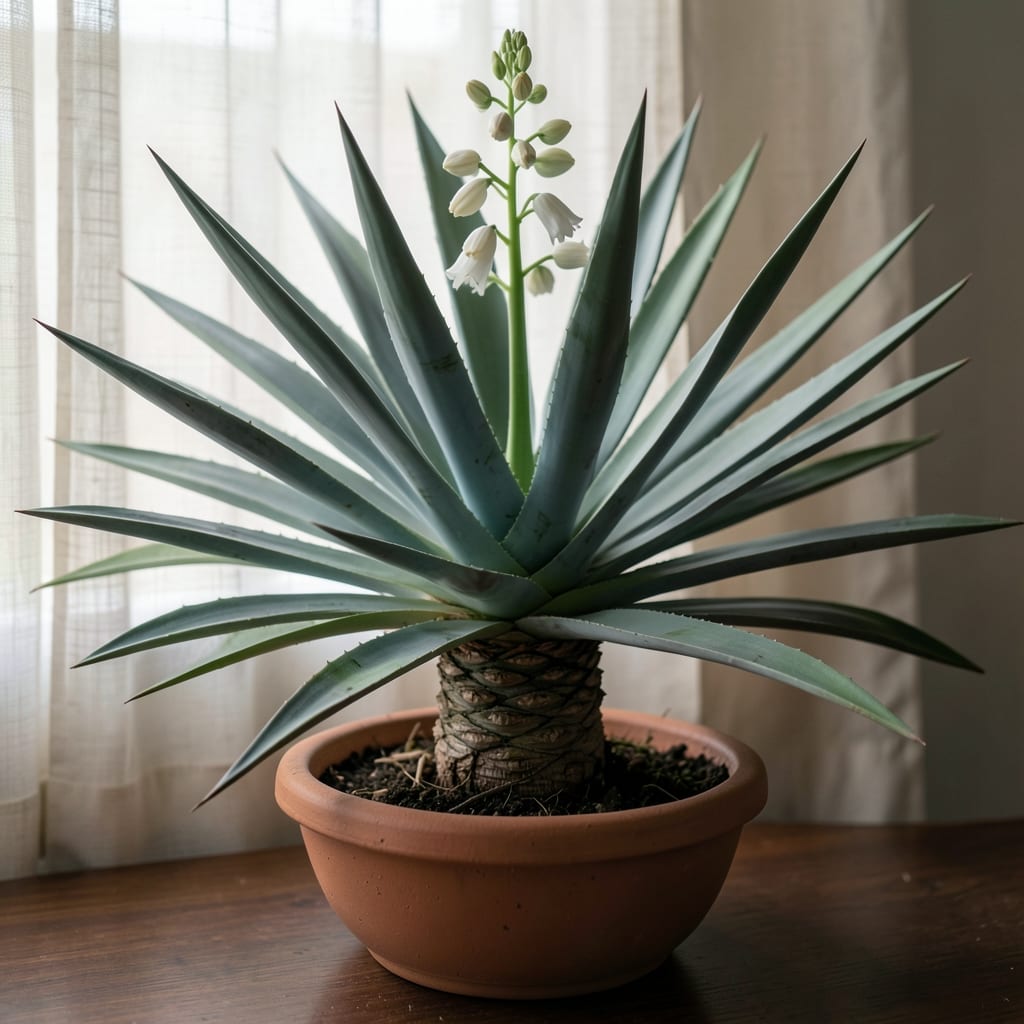
If you've ever wondered how tall can yucca plants grow, you're not alone—this striking 🌵 plant can surprise even seasoned gardeners with its dramatic height range. Some varieties stay neatly contained at just a few feet, while others stretch skyward like desert skyscrapers, reaching heights that rival small trees. The difference often comes down to the species and how you care for it, but knowing these details upfront can save you from overcrowded gardens or unexpected pruning battles later.
For most gardeners in USDA Zone 6a, yucca plants planted in spring can grow anywhere from compact 3-foot shrubs to towering 15-foot giants, depending on the variety. Whether you're planning a low-maintenance border or a bold statement piece, understanding these height differences is the key to spacing and placement. The good news? With the right pruning techniques, you can easily manage even the tallest varieties to fit your space.
Let’s break down the exact heights by popular species—like the Yucca filamentosa, which typically stays between 3-6 feet, versus the Yucca rostrata, which can soar to 15 feet or more. You’ll also discover how sunlight, soil, and pruning habits can influence growth, so you can give your yucca the perfect conditions to thrive (or stay small) without guesswork.
Ready to turn your yucca into a landscape star? I’ll share the pruning secrets that keep these plants in check, from rejuvenation cuts to strategic trimming, so you can enjoy their dramatic beauty without the headache of overgrowth. Let’s get started!


Yucca plant height by variety: from dwarf to giant species
Yucca plants are famous for their striking, architectural forms, but their mature heights can vary wildly—from low-growing shrubs to towering giants. The species you choose determines not just height but also growth habit, making it critical to pick the right one for your space. For example, Yucca filamentosa, also called Adam's needle, typically stays between 3-6 feet tall, while Yucca rostrata (Spanish dagger) can reach 15-20 feet in ideal conditions.
Understanding these differences helps you plan your garden layout, especially when considering spacing requirements and sunlight exposure. Most yucca varieties grow slowly in their first few years, but once established, they can shoot up quickly. I’ve grown both compact and tall varieties, and the key to managing their size lies in knowing their mature expectations upfront.
Here’s a quick look at how different yucca species compare in height, so you can choose the perfect fit for your garden:
| Variety | Mature Height | Growth Habit | Best For |
|---|---|---|---|
| Yucca filamentosa | 3–6 ft | Clumping shrub | Borders, small gardens |
| Yucca gloriosa | 4–8 ft | Single-stemmed | Accent plants, containers |
| Yucca recurvifolia | 5–10 ft | Tall, arching branches | Dry slopes, mass planting |
| Yucca rostrata | 10–20 ft | Tree-like | Large landscapes, focal points |
| Yucca elephantipes | 6–12 ft | Trunk-forming | Indoor/outdoor hybrids |
| Yucca baccata | 8–12 ft | Solitary stem | Desert gardens, rockeries |
| Yucca whipplei | 2–4 ft | Compact rosette | Rock gardens, containers |
| Yucca schidigera | 10–15 ft | Tree-like | Drought-resistant landscapes |
If you’re working with limited space, dwarf varieties like Yucca whipplei or Yucca filamentosa are ideal—they stay under 4 feet and thrive in containers. On the other hand, if you want a dramatic focal point, Yucca rostrata or Yucca schidigera will deliver that tree-like presence, but they’ll need plenty of room to spread their roots.
One factor that often surprises gardeners is how sunlight exposure affects height. Yuccas planted in full sun (6+ hours daily) tend to grow taller and more robust, while those in partial shade may stay shorter but can become leggy. I’ve seen Yucca elephantipes in indoor settings grow only 3-4 feet tall due to limited light, while outdoor specimens reach 10+ feet.
Soil type also plays a role—yuccas prefer well-draining, sandy soil to prevent root rot, which can stunt growth. Amending heavy clay with gravel or compost helps promote healthier, taller growth in varieties like Yucca baccata. I once struggled with a Yucca filamentosa that refused to grow taller than 2 feet until I improved drainage in its bed.
For those in USDA Zone 6a, where winters can be chilly, cold-hardy varieties like Yucca filamentosa or Yucca gloriosa are excellent choices—they’ll survive down to 10°F and still reach their full height potential. If you’re in a warmer zone, you might see even faster growth in species like Yucca rostrata, which can add 2-3 feet per year under ideal conditions.
Pro tip: If you’re unsure about a variety’s mature size, check the nursery tags or ask the grower—many now include height projections. And remember, even the tallest yuccas can be managed with pruning (we’ll cover that next!). Whether you’re aiming for a low hedge or a desert sentinel, choosing the right species is the first step to getting the height you want.
Yucca plant height by variety: from dwarf to giant species
Yucca plants come in a stunning range of sizes, from compact shrubs perfect for small gardens to tree-like giants that dominate desert landscapes. The Yucca filamentosa, also called Adam's needle, is one of the most popular varieties for its manageable 3-6 foot height, making it ideal for borders or containers. Meanwhile, the Yucca rostrata, or Spanish dagger, can reach 15 feet or taller, rivaling small trees in maturity.
If you're planning your garden layout, knowing these height differences is crucial. For example, the Yucca gloriosa (Spanish bayonet) typically grows 4-8 feet tall, while the Yucca brevifolia (Joshua tree) can dominate with heights of 15-20 feet. Even within the same species, factors like climate, soil quality, and sunlight exposure can influence how tall your yucca grows.
Here’s a quick comparison to help you visualize the scale:
| Variety | Mature Height | Growth Habit |
|---|---|---|
| Yucca filamentosa | 3–6 ft | Clumping shrub |
| Yucca rostrata | 10–15+ ft | Tree-like, single trunk |
| Yucca gloriosa | 4–8 ft | Rosette-forming |
| Yucca brevifolia | 15–20 ft | Slow-growing tree |
| Yucca elephantipes | 6–10 ft | Columnar trunk |
| Yucca whipplei | 3–5 ft | Low-growing shrub |
For gardeners in USDA Zone 6a, where I live, yuccas thrive with minimal care once established. The Yucca filamentosa and Yucca whipplei are my top picks for smaller spaces, while the Yucca elephantipes adds a tropical touch without taking over. If you're aiming for a bold statement, the Yucca rostrata or Yucca brevifolia will deliver dramatic height—but be prepared for their imposing presence!
Sunlight is the #1 factor influencing height. Yuccas need 6+ hours of full sun daily to reach their full potential. In shadier conditions, they may stay shorter but can become leggy or weak. If you're growing yuccas in containers, choose dwarf varieties like Yucca recurvifolia (3–4 ft) to keep them manageable on patios or balconies.
Pro tip: If you're unsure about spacing, err on the side of caution. Most yuccas spread wider than they grow tall, so give them 3–5 feet of clearance from other plants or structures. Overcrowding can stunt growth or invite pests, so plan ahead for their mature size.