
How To
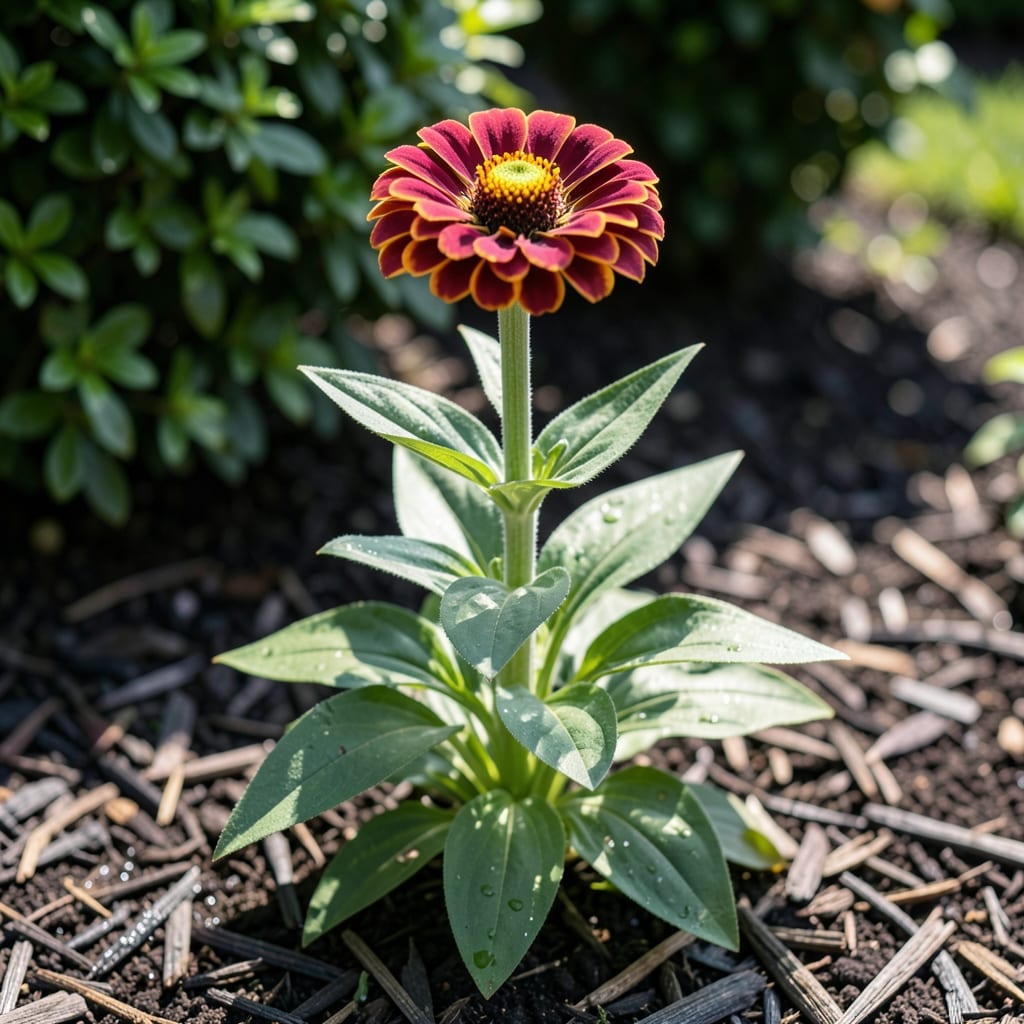
If you’ve ever wondered how tall zinnias can grow, the answer might surprise you—these cheerful blooms range from petite 8-inch dwarfs to towering 4-foot giants, all with just the right care. Whether you’re planning a cottage garden or a cutting garden for long-stemmed bouquets, knowing your zinnia’s growth potential is the first step to success.
Not all zinnias are created equal. Dwarf varieties like ‘Thumbelina’ stay neat and compact, perfect for borders or containers, while ‘Benary’s Giant’ can reach heights that rival your average mailbox. The key to unlocking their full height lies in sunlight, soil, and a little strategic pruning—all of which we’ll cover to help you grow zinnias that steal the show.
But here’s the thing: even the tallest zinnias need support to stay upright, especially in windy conditions. We’ll break down which varieties flop without stakes and how to give them the boost they need without sacrificing those stunning blooms. Ready to turn your garden into a zinnia wonderland? Let’s dive into the height secrets.
From 1-foot semi-dwarfs to 4-foot giants, zinnias offer something for every space—whether you’re working with a balcony or a backyard. With the right variety and a few expert tips, you’ll be harvesting armfuls of vibrant 🌼 flowers in no time. Let’s get growing!

Zinnia height chart: tallest varieties vs. compact dwarf types
Zinnias are one of the most versatile flowers in your garden, offering heights that range from tiny 8-inch dwarfs to towering 4-foot giants. The variety you choose determines not just how tall your zinnias will grow, but also their bloom size, color trends, and even their sunlight needs. For example, ‘Thumbelina’ zinnias stay under a foot tall, making them perfect for container gardens or window boxes, while ‘Benary’s Giant’ can reach heights that rival your mailbox or even your shoulder height.
If you’re planning a cutting garden, taller varieties like ‘State Fair’ or ‘Crystal’ provide long stems for bouquets, while shorter types like ‘Profusion’ offer a dense, bushy display. The key to maximizing height lies in sun exposure, soil quality, and pruning habits. Let’s explore the height ranges and characteristics of the most popular zinnia varieties so you can pick the perfect fit for your space.
🌼
Taller zinnias like ‘Benary’s Giant’ and ‘State Fair’ often produce the largest blooms, making them ideal for cutting gardens or as dramatic focal points in your landscape. These varieties thrive in full sun and well-draining soil, but they may need support stakes to prevent flopping, especially in windy conditions or when blooms get heavy.
On the other hand, dwarf zinnias like ‘Thumbelina’ are perfect for small spaces, container gardens, or even hanging baskets. They require less maintenance and are great for pollinators like bees and butterflies. If you’re growing zinnias in containers, choose dwarf or semi-dwarf varieties to ensure they don’t outgrow their pots.
Color trends also vary by height. Taller varieties often come in bold, deep hues like crimson, magenta, and deep orange, while dwarf zinnias may feature lighter pastels or bright, cheerful colors like yellow, pink, and white. This makes it easy to mix and match heights and colors for a vibrant, layered garden.
To get the most out of your zinnias, pay attention to their spacing needs. Taller varieties should be planted 12–18 inches apart to allow airflow and prevent disease, while dwarf zinnias can be spaced 6–12 inches apart. Proper spacing also makes it easier to deadhead spent blooms, which encourages more flowers and keeps your plants looking neat.
🌿
Zinnia height chart: tallest varieties vs. compact dwarf types
Zinnias are one of the most versatile annuals, offering a stunning range of heights that can transform your garden’s vertical impact. The tallest varieties, like 'Benary’s Giant', can soar to 4 feet or more, while dwarf types like 'Thumbelina' stay neatly contained at just 8-12 inches. This diversity means you can mix and match zinnias to create everything from lush borders to dramatic focal points.
Understanding these height differences isn’t just about aesthetics—it’s also about spacing and support needs. Tall zinnias need room to spread their 2-3 foot canopies, while compact varieties thrive in tight clusters. Let’s explore the most popular zinnia types and their mature heights, so you can plan your garden like a pro.
🌼 Zinnia Height Comparison
| Variety | Height Range | Bloom Size | Sun Needs | Best For |
|---|---|---|---|---|
| 'Thumbelina' (Dwarf) | 8-12" | 1-2" | Full sun | Containers, borders, edging |
| 'Crystal' (Semi-Dwarf) | 1-2 ft | 2-3" | Full sun | Cutting gardens, pollinator-friendly |
| 'State Fair' (Standard) | 2-3 ft | 3-4" | Full sun | Back of borders, bouquets |
| 'Benary’s Giant' (Tall) | 3-4 ft | 4-5" | Full sun | Dramatic focal points, staking required |
| 'Profusion' (Compact) | 12-18" | 2" | Full sun | Mass plantings, pollinators |
Notice how the tallest zinnias like 'Benary’s Giant' often produce the largest blooms, perfect for cutting gardens. Meanwhile, dwarf varieties like 'Thumbelina' are ideal for container gardens or as edging plants. The key to maximizing height is providing 6+ hours of sunlight and well-draining soil—without these, even the tallest varieties may stay stunted.
Pro tip: If you’re growing zinnias for long-stemmed bouquets, prioritize varieties like 'Benary’s Giant' or 'State Fair'. Their sturdy stems can handle the weight of water in vases, while their 3-5 inch blooms add drama to any arrangement. For a low-maintenance look, 'Profusion' or 'Crystal' offer beautiful blooms with minimal height requirements.
Ready to pick your perfect zinnia? Choose based on your garden’s space, sunlight, and whether you need support structures for those towering varieties. With the right selection, your zinnias will be the star of the show all summer long! 🌻