
Trees
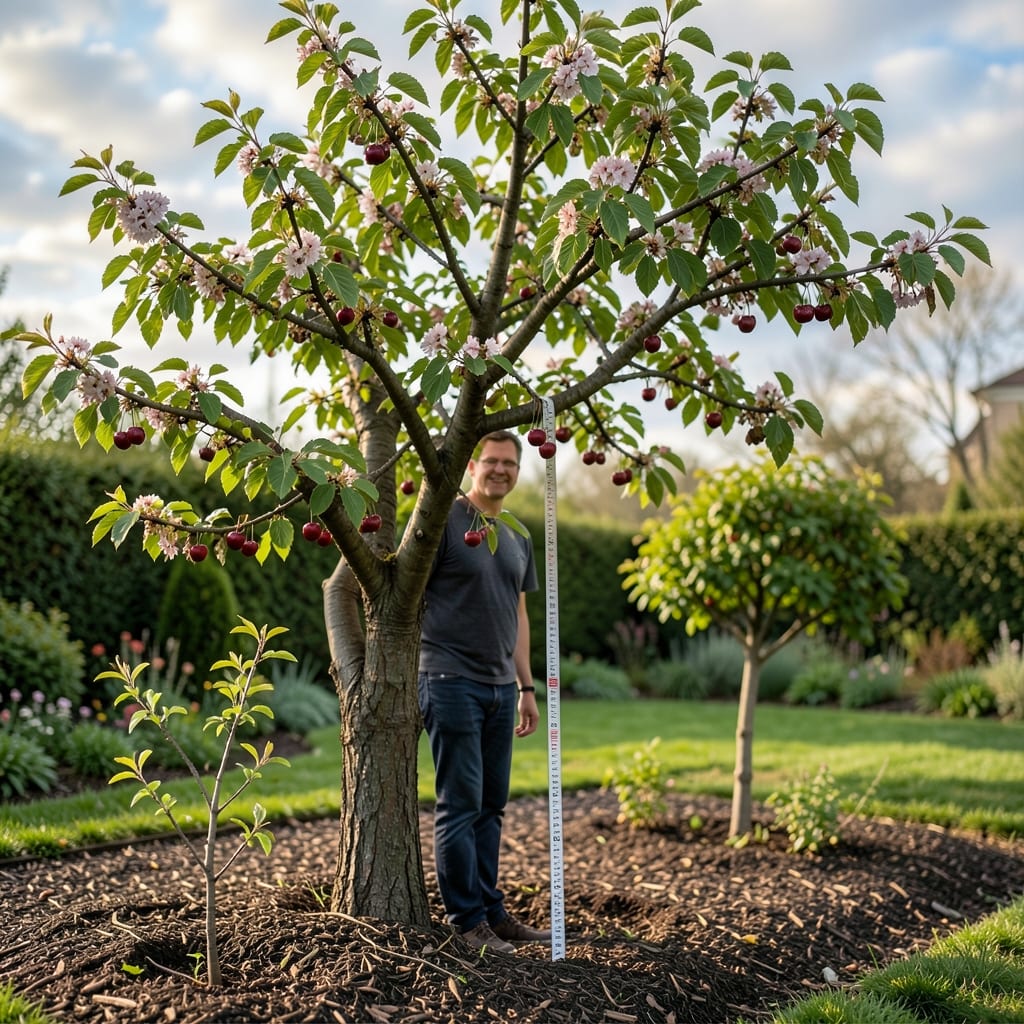
If you’ve ever imagined a backyard bursting with fragrant blossoms or a lush orchard of sweet fruit, knowing how tall cherry trees grow is your first step to success—or avoiding a backyard jungle.
Picture this: a 🍒 cherry tree reaching 40 feet into your sky, its branches heavy with fruit, or a compact dwarf variety perfect for small spaces. The difference? Variety, care, and a little planning. Whether you're dreaming of a towering shade tree or a manageable patio plant, understanding these growth patterns will transform your garden vision into reality.
From the 6-foot 'Stella' dwarf to the majestic 50-foot 'Emperor Francis,' cherry trees come in all sizes. But size isn’t the only factor—climate, soil, and pruning play huge roles in how fast and tall your tree will grow. Let’s break down the secrets so you can choose the perfect tree for your space and watch it thrive.
Ready to discover which cherry tree fits your backyard? We’ll cover everything from growth rates to pruning tips, so you can enjoy your tree’s beauty—and harvest—for years to come.

Cherry tree height by variety: dwarf to giant growth ranges explained
When planning your garden, the first question is almost always: how tall will my cherry tree grow? The answer depends entirely on the variety you choose. Cherry trees range from dwarf varieties perfect for containers to towering giants that need acres of space. For example, the 'Stella' dwarf cherry stays a modest 6-8 feet, while the 'Emperor Francis' can soar to 40-50 feet—taller than a three-story building!
Not all cherry trees produce fruit—some are grown purely for their ornamental blossoms, while others are bred for sweet or tart cherries. Your choice affects not just height but also maintenance needs, space requirements, and even harvest potential. Let’s explore the most popular varieties and their mature heights so you can pick the perfect fit for your backyard.
🌱 Key Takeaway: Always check a variety’s mature height before planting. A 20-foot tree will dwarf a small yard, while a 10-foot dwarf may struggle in a windy location.
If you’re short on space, dwarf varieties like 'Stella' or 'North Star' are ideal—they thrive in containers or small yards while still producing fruit. For ornamental appeal, consider 'Emperor Francis' or '
How fast do cherry trees grow? Annual growth rates by age and type
Understanding how fast cherry trees grow helps you plan for their long-term impact on your landscape. Young cherry trees shoot up quickly in their first few years, but their growth slows as they mature. A 1-year-old sapling might gain 1-2 feet annually, while a 10-year-old tree grows just 6-12 inches per year. This dramatic slowdown is natural—older trees focus energy on fruit production and structural stability rather than height.
Climate plays a huge role in growth speed. Trees in USDA Zones 6-8 with warm summers and cold winters thrive, often outpacing those in cooler or humid zones. For example, a 'Bing' sweet cherry in Zone 7 might reach 20 feet in 10 years, while the same variety in Zone 5 could take 15 years to reach the same height due to slower spring growth.
Soil quality also accelerates or stalls growth. Well-draining, slightly acidic soil (pH 6.0-6.5) packed with organic matter fuels rapid growth. Poor soil? Your tree might struggle to break 1 foot per year in its early years. Amending soil with compost or aged manure at planting can boost early growth by 30-50%.
Cherry Tree Growth Rates by Age
- Year 1: 1-2 feet (fastest growth phase)
- Years 2-5: 2-4 feet per year (vigorous canopy expansion)
- Years 6-10: 1-2 feet per year (shift to fruit production)
- Years 11+: 6-12 inches per year (mature growth plateau)
Pruning timing can tweak growth rates too. Late-winter pruning (just before buds swell) encourages rapid spring growth, while summer pruning slows height increases by redirecting energy to branch thickening. I once pruned a 'Lapins' tart cherry aggressively in summer and saw its annual growth drop from 3 feet to just 1 foot the next year.
Watering habits matter just as much as pruning. Deep, weekly watering during the first 3 years can double growth rates compared to shallow, frequent watering. My 'Stella' dwarf cherry hit 6 feet in 2 years with consistent deep watering, while a neighbor’s neglected tree grew only 4 feet in the same time.
Don’t forget that ornamental cherries (like 'Kanzan') grow faster than fruit-bearing varieties. Their sole focus is canopy expansion, while sweet or sour cherries prioritize fruit development over height. If you’re after quick shade, ornamental types are your best bet—just be prepared for aggressive pruning to control their spread.
To maximize growth, combine full sun exposure, well-amended soil, and seasonal pruning. With the right conditions, even standard varieties can reach half their mature height in just 5 years. But remember: patience pays off. A 20-year-old cherry tree will outlive you—and outshine your neighbors’ gardens.