Vegetables
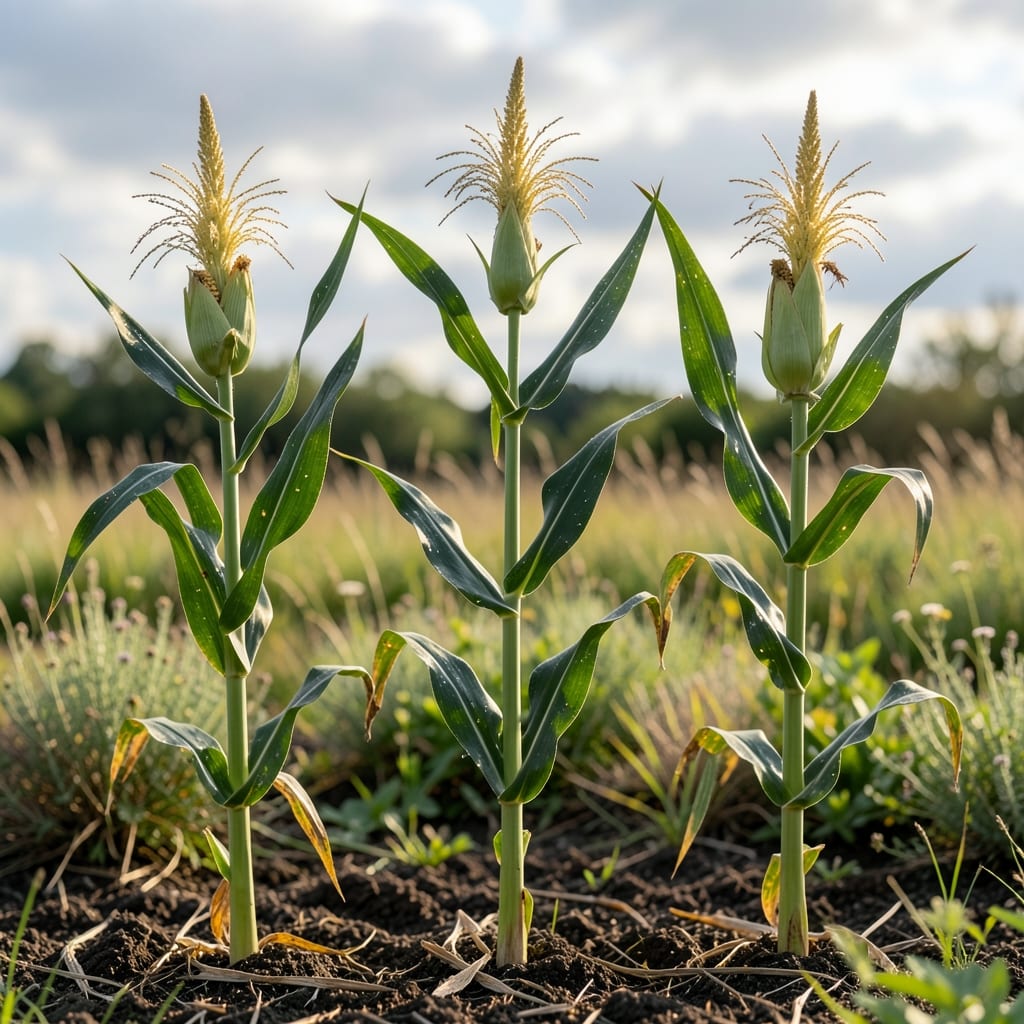
If you've ever planted corn and wondered "how tall corn grow"—or why your stalks seem stubbornly short—you're not alone. The truth is, corn height can vary wildly, from 3-foot dwarf varieties to towering 12-foot giants, depending on the type and growing conditions. Understanding these differences isn't just fun trivia; it's the key to planning your garden layout, choosing the right variety for your space, and even troubleshooting when things don't go as expected.
Sweet corn, the kind you'll harvest for dinner, typically reaches 6 to 10 feet at maturity, but some ornamental varieties can stretch even taller. The good news? You don't need a backyard the size of a football field to grow corn. With the right spacing and care, even smaller gardens can accommodate compact varieties that still deliver big flavor. Let's break down what influences corn height and how you can optimize growth for the perfect harvest.
First, we'll explore the height ranges of different corn varieties—from dwarf types perfect for containers to standard varieties that need room to stretch. Then, we'll dive into the factors that can make or break your corn's growth potential, like sunlight, soil quality, and watering habits. By the end, you'll know exactly what to expect from your corn plants and how to give them the best chance to reach their full height—no guesswork required.
Whether you're a first-time gardener or a seasoned pro, tracking corn growth is easier than you think. We'll cover simple methods to predict final height and troubleshoot common issues, so you can enjoy a bountiful harvest without the frustration. Ready to transform your garden into a corn-growing powerhouse? Let's get started.


Corn height by variety: from dwarf to giant varieties
When planning your corn garden, the variety you choose determines not just how tall your plants will grow but also how much space they'll need and how much care they'll require. Sweet corn, the type most gardeners grow for eating, typically reaches 6 to 10 feet at maturity, but some varieties can stretch even taller—up to 12 feet or more. Meanwhile, dwarf varieties stay compact at just 3 to 5 feet, making them ideal for small gardens or containers.
Field corn, often grown for livestock feed or ethanol production, tends to be even taller, sometimes exceeding 12 feet, while ornamental corn varieties can reach impressive heights too, adding a dramatic flair to your garden. Understanding these differences helps you select the perfect variety for your space and goals.
Here’s a quick breakdown of what to expect from different corn types, including their mature heights and ideal growing conditions:
For example, if you're growing sweet corn for your family, standard varieties like 'Golden Bantam' or 'Silver Queen' will give you that classic 6 to 10-foot height and delicious ears. But if you're working with limited space, dwarf varieties like 'Tom Thumb' or 'Little and Lovely' are perfect—they stay under 5 feet and can even thrive in large containers.
On the other hand, if you're aiming for a dramatic garden statement, consider ornamental corn like 'Glass Gem' or 'Black Aztec,' which can reach 10 feet or taller and add stunning color to your fall landscape. These varieties also produce edible ears, so you get the best of both worlds: beauty and bounty.
One common mistake gardeners make is underestimating the space corn needs. Even dwarf varieties benefit from proper spacing to prevent overcrowding, which can stunt growth and reduce yields. Always check the spacing recommendations for your chosen variety—this ensures each plant has room to reach its full height potential without competing for sunlight or nutrients.
Pro tip: If you're growing corn in rows or blocks, plant them in groups of at least 4 rows to improve pollination. This is especially important for taller varieties, as better pollination leads to fuller ears and stronger stalks, helping them reach their maximum height.
Ready to pick your perfect variety? Once you’ve chosen, the next step is understanding how to track growth stages and predict final height—we’ll cover that in the next section. For now, keep in mind that the right variety, combined with proper care, is the foundation of tall, healthy corn.
How to track corn growth stages and predict final height
Tracking your corn's growth stages is the easiest way to predict how tall it will get before harvest. Corn grows in predictable phases—from sprouting to tasseling—and each stage gives you clues about its final height. For example, if your plants are lagging in early growth, they may never reach their full potential, while strong early development often means taller stalks later on.
One of the simplest methods is the leaf collar method. Each new leaf collar (the bump where a leaf attaches to the stalk) appears roughly every 2-3 days in ideal conditions. Count these collars to estimate height: most sweet corn varieties will have 12-20 collars at maturity, with each collar adding about 6-12 inches to the stalk's height.
Here’s how to use growth stages to predict final height, step by step:
- 1 Seedling Stage (0-3 weeks): Measure stalk height at ground level. Healthy seedlings should reach 6-12 inches by week 3. If growth is slower, check for poor soil or pests.
- 2 Vegetative Growth (3-6 weeks): Count leaf collars. Each new collar suggests 6-12 inches of future growth. Standard sweet corn typically develops 12-16 collars before tasseling.
- 3 Tasseling (6-8 weeks): When the tassel emerges (the pollen-producing flower at the top), measure the distance from the ground to the tassel base. Multiply this by 1.5-2x to estimate final height.
- 4 Silking (8-10 weeks): When silks appear, measure the height of the tallest silk. Add 2-3 feet to this measurement for a rough final height estimate.
- 5 Maturity (10-12 weeks): At harvest, measure the final stalk height and compare it to your variety’s expected range. If it’s shorter than expected, review care factors like sunlight or spacing.
For example, if your standard sweet corn reaches 5 feet at tasseling, you can expect it to grow another 3-5 feet before maturity, landing between 8 and 10 feet. This method works best for sweet corn varieties, but ornamental or field corn may follow slightly different growth patterns.
Pay attention to environmental stressors that can stunt growth. If your corn is lagging behind schedule, check for poor soil nutrients, inadequate water, or shaded conditions. Adjusting these factors early can help your plants catch up and reach their full height potential.
Pro tip: Keep a growth journal! Record measurements at each stage and note any changes in care or environment. Over time, you’ll spot patterns and predict heights with even greater accuracy—so you can plan your garden layout like a pro.