
How To
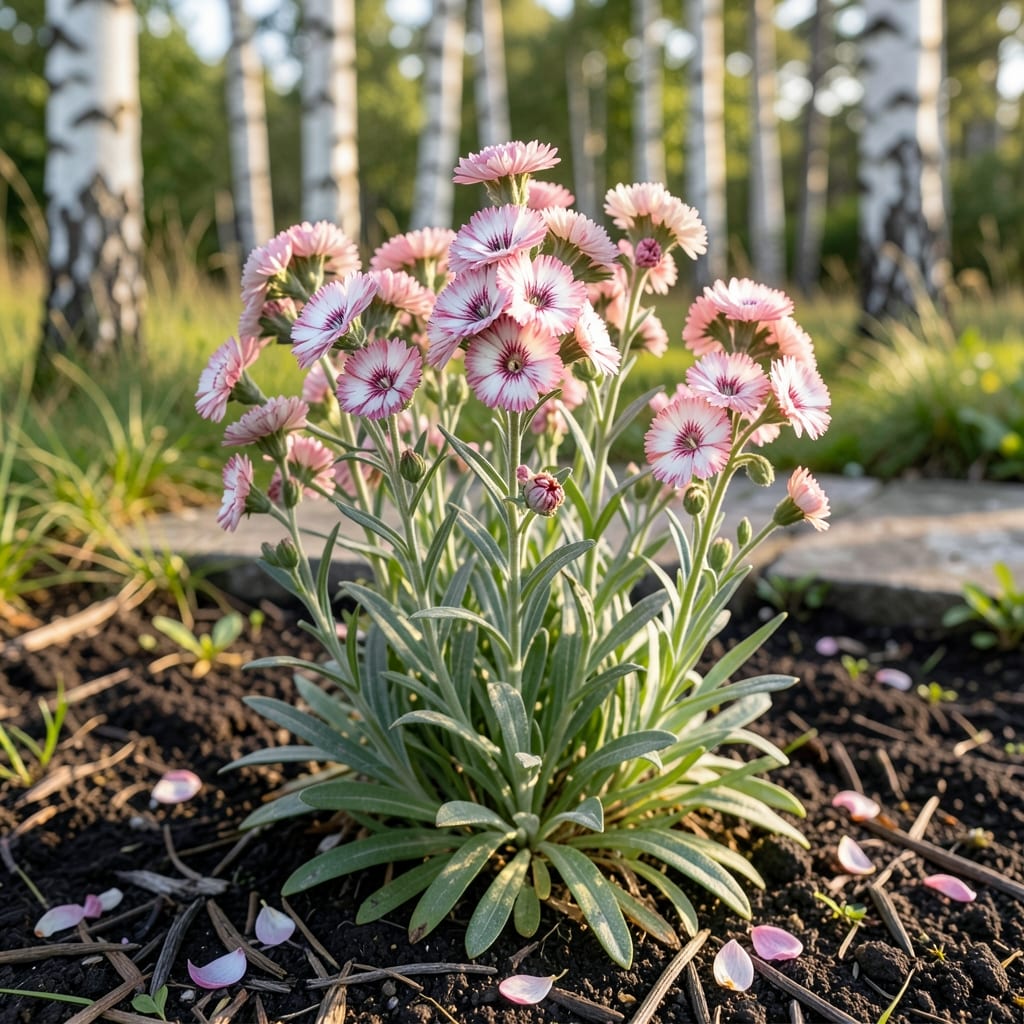
Wondering how tall your Dianthus 🌸 will grow and whether they’ll fit perfectly in your garden design? The answer depends on the variety—some stay as short as 6 inches, while others can reach nearly 2 feet tall, making them versatile for borders, containers, or rock gardens.
If you’re planning a color-popping spring display, knowing these heights helps you space plants just right. Compact varieties like Sweet William work beautifully in front-row borders, while taller types add drama as mid-height accents. The key to getting the right size lies in choosing the right type and giving them proper care.
Sunlight, soil, and pruning all play a role in how your Dianthus grows. Too much shade might stunt their height, while regular trimming can encourage bushier growth. Let’s break down the exact heights for popular varieties and how to keep them thriving—so you can create a garden that’s both stunning and well-balanced.
Whether you’re a beginner or a seasoned gardener, these insights will help you visualize and achieve the perfect Dianthus display. Ready to transform your outdoor space with these charming blooms?


Dianthus height ranges by variety: compact to towering options
When planning your garden, knowing exactly how tall dianthus grow helps you create stunning visual layers. Some varieties stay as short as 6 inches, perfect for edging, while others reach 36 inches, making them ideal for mid-height borders. The key is matching the variety to your design goals and growing conditions.
Dianthus plants come in three main height categories: dwarf (4-8 inches), semi-dwarf (8-12 inches), and standard (12-24 inches). Each thrives under slightly different conditions, so let’s explore the most popular types and their mature heights to help you choose the perfect fit for your space.
| Variety | Mature Height | Best For | Sunlight Needs |
|---|---|---|---|
| Sweet William | 12-24 inches | Mid-height borders, cottage gardens | Full sun |
| Garden Pinks | 6-12 inches | Rock gardens, front borders | Full sun to partial shade |
| China Pinks | 18-36 inches | Back borders, mixed borders | Full sun |
| Cheddar Pink | 8-12 inches | Containers, edging | Full sun |
| Firewitch | 10-18 inches | Pollinator gardens, borders | Full sun |
🌸 Note: Heights can vary by 1-2 inches based on soil quality, sunlight, and pruning habits.
If you’re growing Sweet William, expect 12-24 inches of lush foliage and fragrant blooms. This variety is perfect for adding height to cottage-style gardens or as a mid-height accent in mixed borders. For a more compact look, Garden Pinks stay between 6-12 inches, making them ideal for rock gardens or front-row plantings where you want to keep things low and sweet.
For dramatic impact, China Pinks are the stars of the show, reaching 18-36 inches tall. These towering beauties thrive in full sun and add vertical interest to the back of borders. If you’re working with containers, Cheddar Pink or Firewitch varieties offer a balanced 10-18 inches of growth, perfect for patio displays or window boxes.
One common misconception is that all dianthus grow tall and leggy. In reality, their height is heavily influenced by pruning habits and soil conditions. Well-drained soil with a slightly alkaline pH (around 6.5-7.0) encourages fuller, bushier growth, while regular deadheading keeps plants compact and flowering prolifically.
For example, if you’re growing Sweet William in partial shade, you might see slightly shorter plants (12-18 inches) compared to their full-sun counterparts. Similarly, China Pinks in nutrient-rich soil can reach the upper end of their height range, while those in poorer soil may stay closer to 18-24 inches. Always check the specific variety’s care tag for precise guidance.
When selecting dianthus for your garden, consider not just height but also bloom time and color palette. Taller varieties like China Pinks often bloom later in the season, while shorter types like Garden Pinks may start flowering earlier. This timing can help you create a season-long color show with minimal effort.
Pro tip: If you’re unsure about heights, start with a mix of semi-dwarf and standard varieties. This gives you flexibility to adjust spacing as the plants grow, ensuring your garden remains balanced and visually appealing throughout the season.
Dianthus height ranges by variety: compact to towering options
Dianthus plants offer a stunning range of heights, from tiny 6-inch varieties perfect for edging to towering 2-foot giants that make bold statements. The variety you choose directly impacts your garden’s visual balance and planting strategy. For example, Sweet William typically reaches 12-18 inches, while China Pinks can stretch up to 24 inches.
Understanding these height differences helps you create layered garden beds or mix containers with harmonious proportions. Compact Dianthus barbatus (Sweet William) works beautifully in front-row borders, while taller Dianthus caryophyllus (Carnation) varieties add height to back-of-bed arrangements. Let’s explore the most popular types and their mature sizes.
🌸 Variety-Specific Height Guide
Each variety thrives with well-draining soil and regular deadheading to encourage continuous blooms. For instance, Sweet William loves moist but not soggy soil, while China Pinks tolerate slightly drier conditions once established. The key to achieving these heights lies in providing the right growing conditions and spacing plants appropriately during planting.
If you’re growing dianthus in containers, choose compact varieties like Garden Pinks or Dwarf Pinks to avoid overcrowding. Taller varieties like Carnations need deeper pots (at least 12 inches deep) to support their root systems. Always plant with 3-6 inches of space between stems to promote airflow and prevent disease.
For gardeners in USDA Zones 5-9, most dianthus varieties bloom from late spring to early fall. Their height remains consistent year after year, making them reliable for long-term garden planning. Pair taller varieties with shorter perennials like ajuga or heuchera to create stunning height contrast in your beds.