Size
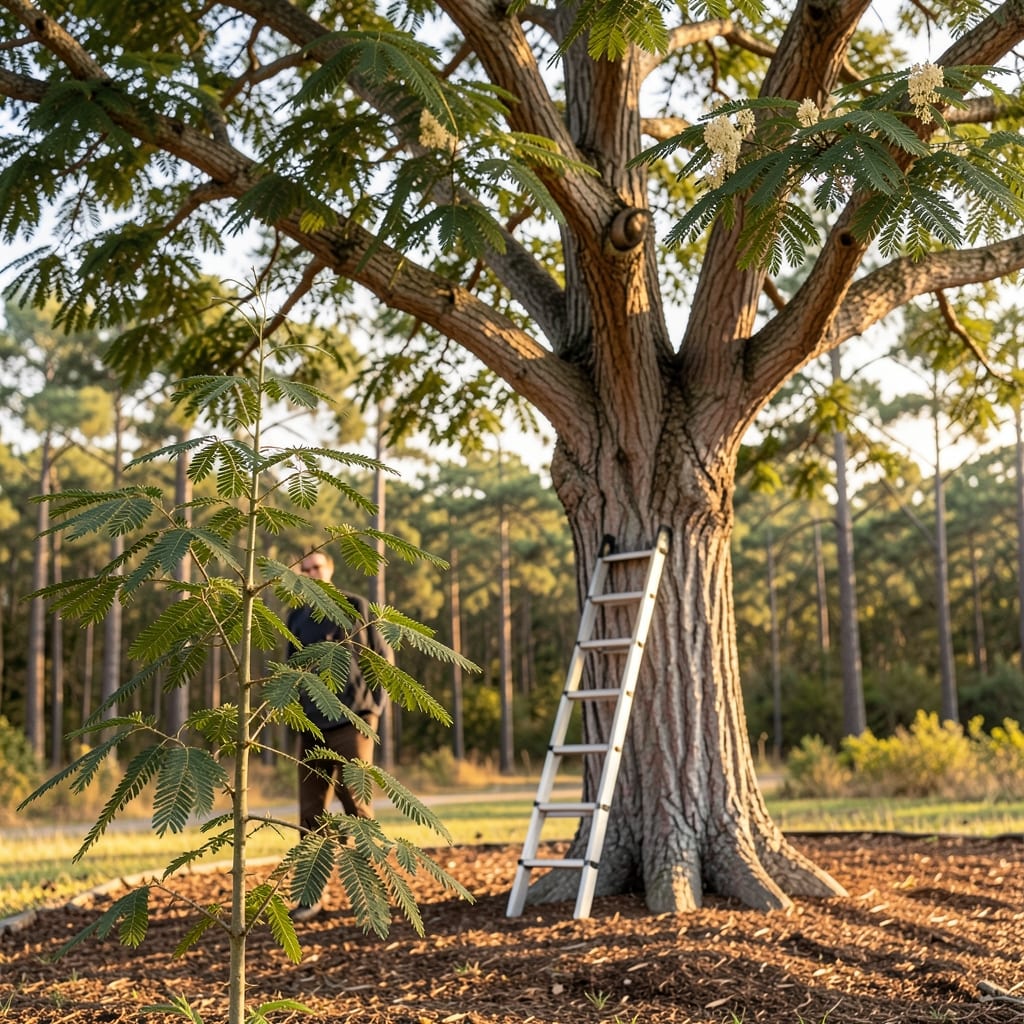
If you’re wondering how tall do acacia trees grow, the answer might surprise you—some varieties stretch taller than a 2-story house, while others stay compact enough for small yards. Whether you’re dreaming of a towering shade tree or a manageable ornamental plant, the right species makes all the difference.
Acacia trees like the Acacia koa can reach 65 feet at maturity, while dwarf varieties like Acacia dealbata stay between 6 and 12 feet. Your choice depends on space, climate, and how quickly you want that 🌳 beauty to grow. Let’s break down the heights by species and what affects their growth.
Climate plays a huge role—some acacias thrive in USDA Zone 6a, while others prefer warmer regions. Sunlight, soil, and even pruning habits can push a tree toward its maximum height or keep it trimmed back. I’ll show you how to pick the perfect variety for your yard and maintain it long-term.
Ready to find the ideal acacia for your space? We’ll cover fast-growing species, pruning tips, and how to control height—so you can enjoy this stunning tree without it taking over your landscape. Let’s get started!

Average Acacia tree heights by popular species: a complete guide
Acacia trees come in a stunning variety of sizes, from towering giants to compact shrubs. The Acacia koa, for example, can grow up to 65 feet tall, making it a statement tree for large properties. On the other hand, the Acacia dealbata (or mimosa) typically stays between 6 and 12 feet, perfect for smaller yards or containers. Choosing the right species ensures your tree fits your space without becoming a nuisance.
Most acacias reach their mature height within 10 to 20 years, though some fast-growing varieties like Acacia saligna can hit 30 feet in just 5 to 7 years. Understanding these growth rates helps you plan for long-term care, including pruning and space management. Let’s dive into the heights of the most popular acacia species so you can pick the perfect fit for your garden.
🌱
The Acacia koa is a powerhouse, often reaching taller than a 2-story house and thriving in tropical climates. If you’re in USDA Zone 10 or warmer, this species is ideal for creating a shady canopy over patios or playgrounds. Its slow-to-moderate growth means you’ll enjoy its height over decades, not years.
For smaller spaces, the Acacia dealbata is a fantastic choice. Its fragrant yellow flowers and compact size make it perfect for container gardening or as a privacy screen in tight areas. Just be prepared for its rapid growth—it can double in height within a few years if left unpruned.
If you’re looking for a medium-sized acacia, the Acacia melanoxylon (or blackwood) strikes a balance, typically growing 30 to 50 feet tall. This species is also prized for its durable wood, making it a practical and beautiful addition to any landscape.
🌿
Pruning plays a huge role in controlling height, especially for fast-growing species like Acacia saligna. I recommend light pruning in early spring to shape the tree and heavy pruning only when necessary to manage its size. Always use sterilized tools to prevent disease, and avoid cutting into old wood, which may not regrow well.
Another tip: Dwarf varieties like Acacia baileyana are bred to stay smaller, but even they can grow taller if given ideal conditions. If you’re unsure about long-term height, start with a potted specimen to test how it grows in your climate before planting permanently.
🪴
How Acacia tree height varies by USDA hardiness Zones & climate
Your USDA hardiness zone and local climate can dramatically affect how tall your acacia tree grows. For example, Acacia koa, native to Hawaii, thrives in Zones 10-11 and can reach 65 feet, while Acacia dealbata (silver wattle) grows best in Zones 7-10 and tops out at 30 feet. Even within the same species, cooler zones may stunt growth by 20-30% compared to warmer climates.
Sunlight is another critical factor—acacias need full sun (6+ hours daily) to reach their full height potential. In shadier climates (like Zones 5-6), growth slows, and trees may stay 10-15 feet shorter than their tropical counterparts. I’ve seen Acacia melanoxylon (blackwood) hit 50 feet in Zone 8 but only 25 feet in Zone 6 due to shorter growing seasons.
Soil drainage also plays a role—acacias hate soggy roots. In well-draining soils (like sandy loam), they grow faster, while clay-heavy soils can restrict root expansion, limiting height. For example, Acacia saligna (golden wattle) grows 30-40 feet in coastal areas with fast-draining soil but may only reach 15-20 feet inland where drainage is poor.
| Species | USDA Zones | Mature Height | Climate Notes |
|---|---|---|---|
| Acacia koa | 10-11 | 65 ft | Tropical, fast-growing in warm zones |
| Acacia dealbata | 7-10 | 30 ft | Coastal, drought-tolerant |
| Acacia melanoxylon | 8-10 | 50 ft | Temperate, slow in cooler zones |
| Acacia saligna | 9-11 | 40 ft | Fastest in sandy soils |
If you live in a cooler zone (Zones 5-7), opt for dwarf varieties like Acacia farnesiana (sweet acacia), which maxes out at 12 feet and thrives in Zones 7-11. Even standard varieties can be pruned to control height—just avoid cutting into old wood, as acacias struggle to regrow from mature branches. I’ve seen gardeners in Zone 6 keep Acacia dealbata at 15 feet for decades with regular pruning.
For fastest growth, plant in Zones 8-11 where frost isn’t a concern. In these areas, Acacia koa can grow 3-5 feet per year in ideal conditions. Pair that with well-draining soil and full sun, and you’ll have a towering tree in no time. Just be prepared for the cleanup—acacias drop golden foliage and seed pods year-round!
Pro tip: If you’re in a transition zone (Zones 6-7), mulch heavily in winter to protect roots and encourage faster spring growth. I’ve found that Acacia melanoxylon in Zone 7 grows 20% taller with a 3-inch mulch layer compared to unmulched trees. The extra insulation makes all the difference in marginal climates.