
How To
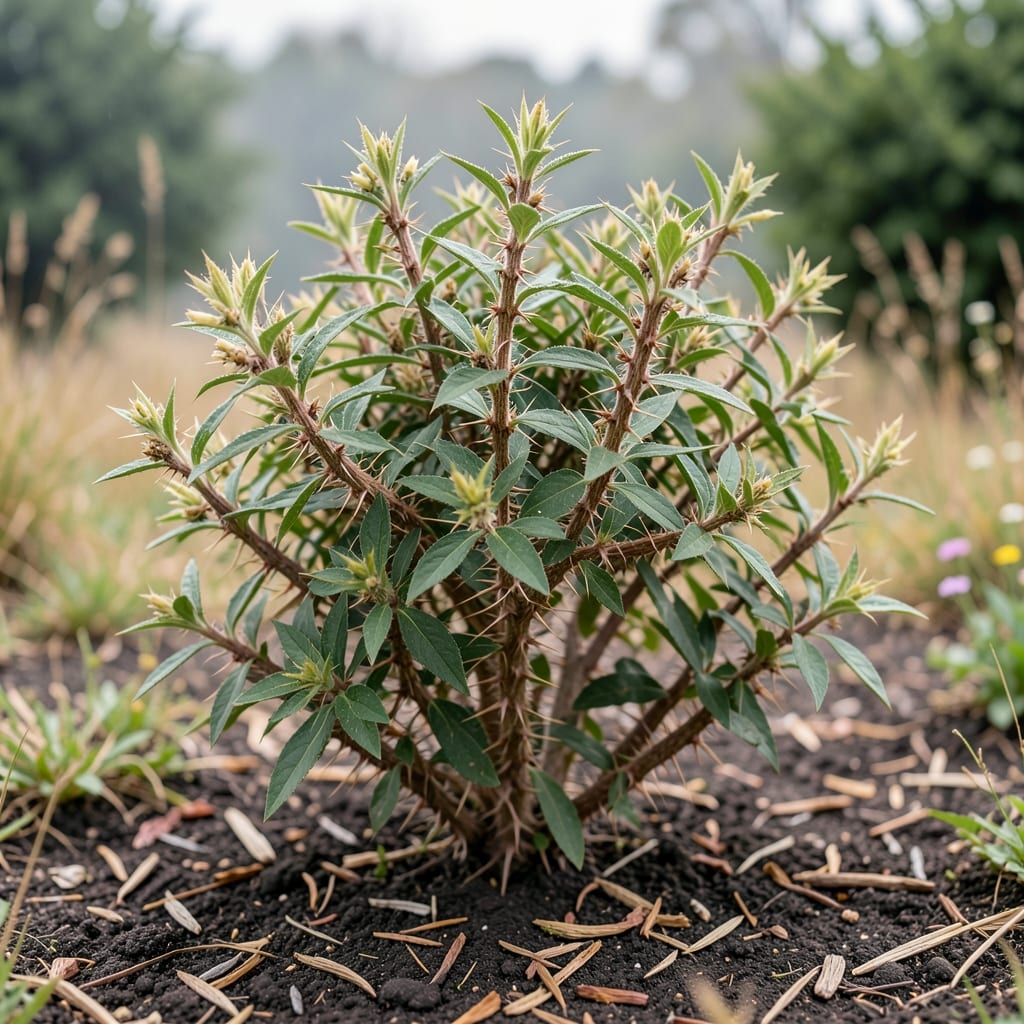
Wondering how tall do Acidanthera grow? Unlike its towering gladiolus cousins, this elegant spring bloomer typically stays between 1 to 2 feet tall—making it perfect for borders, containers, or cutting gardens. What sets it apart isn’t just its compact stature but how effortlessly it thrives in USDA Zone 6a with minimal fuss.
If you’re planning your spring garden layout, knowing these height expectations helps you avoid overcrowding while maximizing visual impact. The right variety and care can even coax slightly taller growth, but most gardeners love its manageable size for easy maintenance and stunning displays. Let’s break down exactly what to expect—and how to encourage your plants to reach their full potential.
For those working with limited space, the dwarf varieties stay under 1.5 feet, while standard types can stretch toward 2 feet with proper support. The secret? Planting in well-draining soil during April-May and giving them partial shade to prevent leggy growth. Whether you’re a beginner or a seasoned gardener, these insights will help you grow healthier, happier Acidanthera that blooms beautifully year after year.
Ready to transform your garden with these low-maintenance beauties? Discover the best varieties for your space, plus pro tips to control height naturally—so you can enjoy their delicate blooms without the hassle of towering stalks. Let’s get growing!


Acidanthera height by variety: exact growth expectations
If you're wondering how tall do Acidanthera grow, the answer varies by variety—but most stay between 1 to 2 feet tall. Unlike their towering gladiolus relatives, these compact bloomers are perfect for borders, containers, and cutting gardens. The key to achieving their full height potential lies in choosing the right variety and providing ideal growing conditions.
For gardeners in USDA Zone 6a, Acidanthera thrives when planted in well-draining soil during April-May. The dwarf varieties, like 'Baby Boom' or 'Mini Star,' typically max out at 1 to 1.5 feet, while standard types such as 'Pink Perfection' or 'White Beauty' can reach up to 2 feet with proper care. Understanding these differences helps you plan your garden layout for maximum impact.
Here’s what you need to know about the most popular varieties and their mature heights:
| Variety | Mature Height | Best For | Bloom Time |
|---|---|---|---|
| 'Baby Boom' | 12-18 inches | Containers, rock gardens | Late spring |
| 'Pink Perfection' | 18-24 inches | Cutting gardens, borders | Mid-summer |
| 'White Beauty' | 16-22 inches | Bedding plants, patio displays | Early summer |
| 'Fireworks' | 14-20 inches | Mixed borders, cottage gardens | Late summer |
| 'Sunset Glow' | 18-24 inches | Cutting arrangements | Mid-summer |
The dwarf varieties are ideal for small gardens or containers, while the slightly taller types work well in borders or as focal points. To encourage your Acidanthera to reach its full height potential, focus on planting in well-draining soil and providing partial shade—especially during hot afternoons. This prevents leggy growth and ensures sturdy stems that support those stunning blooms.
One common misconception is that Acidanthera needs full sun like traditional gladiolus. In reality, too much direct sunlight can cause the plants to stretch and become weak. Aim for 4-6 hours of morning sun followed by afternoon shade to keep them compact and healthy. This simple adjustment can make a noticeable difference in both height and bloom quality.
For gardeners in USDA Zone 6a, planting Acidanthera bulbs 3-4 inches deep and 4-6 inches apart in early spring ensures they establish strong roots before the growing season begins. The bulbs will produce foliage by late spring, with blooms appearing in late summer. Proper spacing also prevents overcrowding, which can stunt growth and reduce flower production.
If you’re growing Acidanthera in containers, choose pots that are at least 8 inches deep to accommodate the bulbs and their roots. Use a high-quality potting mix with good drainage, and place the container in a spot that gets bright, indirect light. Container-grown Acidanthera may reach slightly shorter heights than those planted in the ground, but they still produce beautiful blooms with minimal care.
To maximize the height and vigor of your Acidanthera, consider adding a balanced fertilizer (like 10-10-10 NPK) in early spring. Apply it lightly after planting to encourage root growth, then again in early summer to support flowering. Avoid over-fertilizing, as this can lead to excessive foliage at the expense of blooms. A light feed every 4-6 weeks during the growing season is usually sufficient.
Whether you're a beginner or a seasoned gardener, understanding the height expectations of different Acidanthera varieties helps you create a garden that’s both beautiful and manageable. With the right variety and care, you can enjoy their delicate blooms year after year—without the hassle of towering stalks. Ready to get growing? Choose your favorite variety and start planning your spring planting!
How to control Acidanthera height: pruning and care tips
One of the biggest misconceptions about Acidanthera is that its height is fixed—when in reality, you can influence it with the right care techniques. Whether you want to encourage taller spikes for dramatic borders or keep them compact for containers, these strategies will help you achieve your ideal height. The key lies in soil nutrition, watering consistency, and pruning timing.
For taller growth, focus on rich, well-draining soil and consistent moisture. Acidanthera thrives in USDA Zone 6a with partial shade, which prevents leggy stems while supporting stronger blooms. If your plants seem stunted, they might need a light fertilizer boost every 4-6 weeks during spring and early summer—just 1 tablespoon of 10-10-10 balanced fertilizer per plant works wonders.
🔹 Pro Tip: Water deeply in the morning (before 10 AM) to avoid fungal issues that can weaken stems. Overhead watering at night is a common mistake that leads to leggy, floppy growth—so always water at the base.
⚠️ Avoid These Height-Killers
- Overcrowding: Plant bulbs 4-6 inches apart—too close, and they’ll compete for nutrients, stunting growth.
- Poor drainage: Waterlogged soil causes root rot, which weakens stems and reduces height potential.
- Late pruning: Cutting back after flowering removes next year’s blooms—always prune dead foliage in fall.
If your Acidanthera is growing too tall for your space, you can gently stake the stems with bamboo or soft twine to prevent flopping. For container gardening, choose dwarf varieties like 'White Beauty' (typically 12-18 inches) and use well-draining potting mix to keep roots healthy. Mulch around the base with organic matter to retain moisture without smothering the bulbs.
Seasonal pruning is another game-changer. After the blooms fade, cut back the foliage by one-third to redirect energy to bulb storage for next year. This subtle trim keeps plants neat and manageable while ensuring robust regrowth. Just avoid heavy pruning in late summer, as the plant needs time to photosynthesize before dormancy.
For maximum height control, monitor your plants weekly and adjust care as needed. A little extra attention in spring planting and summer watering will give you the perfect balance—whether you’re aiming for compact elegance or taller statement blooms. With these techniques, you’ll enjoy healthier, happier Acidanthera that thrives at your desired height.
🌱 Ready to experiment? Try dividing mature clumps every 3-4 years to rejuvenate growth—you’ll be amazed at how much taller and fuller your plants become with fresh energy!