
Vegetables
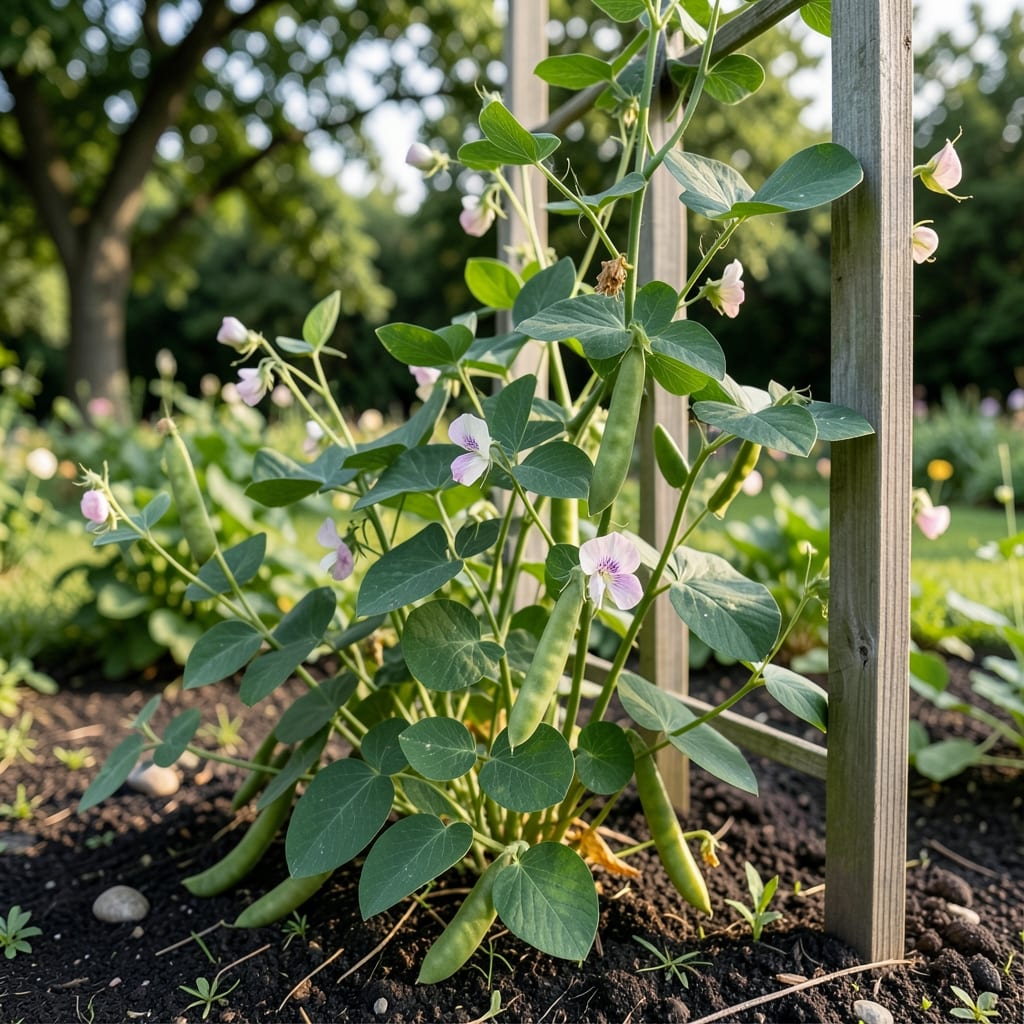
If you're planning your Alaska pea garden this year, knowing how tall Alaska peas grow could make or break your harvest—especially in short-season zones like Alaska's 3a. These cold-hardy climbers can surprise you with heights up to 6 feet when given the right support, but many gardeners miss out by underestimating their potential.
Unlike bush varieties that stay compact, Alaska peas are classic vining peas that thrive when trained upward. Without proper trellises or stakes, they’ll sprawl across your garden bed, competing for space and reducing yields. The key to maximizing your harvest lies in understanding their growth habits and providing the right structure early.
In this guide, I’ll break down exactly what to expect from Alaska peas—whether you’re working with limited space or aiming for a lush vertical garden. You’ll learn how to choose the right support system, avoid common mistakes that stunt growth, and even troubleshoot issues like weak stems or leggy vines.
Ready to transform your garden into a pea-producing powerhouse? Let’s dive into the specifics so you can plan your space—and your harvest—like a pro.


Alaska pea varieties and their expected heights: a detailed comparison
When planning your Alaska pea garden, knowing the expected height of each variety is crucial for spacing and support. Most Alaska peas are vining types, meaning they’ll climb if given proper structures—but their mature heights vary significantly. For example, the classic 'Alaska' variety typically reaches 5–7 feet when trellised, while semi-dwarf types like 'Green Arrow' max out around 3–4 feet. These differences impact everything from trellis height to companion planting strategies.
Understanding height also helps you decide whether to grow peas in containers, raised beds, or in-ground plots. Tall varieties like 'Sugar Snap' (6–8 feet) need sturdy trellises, while shorter types can thrive in small-space gardens or even hanging baskets. Below, I’ve compared the most popular Alaska pea varieties by their mature heights and growth habits to help you choose the best fit for your garden.
🌱 Pro Tip: Always check seed packets for specific variety details, as some modern hybrids exceed traditional height ranges.
If you’re growing Alaska peas in USDA Zone 3a, prioritize varieties like 'Alaska' or 'Sugar Snap' for maximum yield—their vertical growth helps them escape early frost risks. However, shorter types like 'Tom Thumb' are better for container gardening or small urban plots where space is limited. Always match your trellis height to the variety’s potential to avoid wasted effort or stunted plants.
Another key factor is spacing. Vining varieties need 3–4 inches between seeds and 18–24 inches between rows when trellised, while bush types can be planted closer together. Overcrowding leads to poor air circulation, which increases disease risk and reduces pod production. For example, 'Green Arrow' can handle 2 inches between plants in a raised bed, but 'Sugar Snap' needs more room to climb.
For first-time growers, I recommend starting with 'Alaska' or 'Green Arrow'—they’re forgiving, productive, and adaptable to different support systems. If you’re experimenting with DIY trellises, opt for tall varieties to make the most of vertical space. Just remember: without support, even the shortest Alaska peas will sprawl, leading to tangled vines and lower yields.
🌿 Quick Tip: Label your trellises with variety names to track growth habits and adjust future planting plans.
Do Alaska peas need trellises? Support structures for optimal growth
Alaska peas are classic vining climbers, and their height potential depends entirely on the support you provide. Without proper structures, these peas will sprawl across your garden bed, wasting space and reducing airflow—which can lead to disease risks like powdery mildew. When trained upward, Alaska peas can easily reach 6 feet or taller, especially in ideal conditions with full sun and consistent moisture.
Most gardeners assume Alaska peas will stay short, but their natural growth habit is to climb. The Alaska pea variety (and similar types like 'Green Arrow') can produce long, flexible tendrils that latch onto trellises, fences, or even neighboring plants. If you’re short on horizontal space, vertical growth is your best friend—it maximizes yield in small gardens and keeps pods off the damp soil, where they’re prone to rot.
Here’s the key: Trellises aren’t optional for Alaska peas—they’re essential for healthy, productive plants. Without support, vines can tangle, break under the weight of pods, or become leggy and weak. Even in USDA Zone 3a, where growing seasons are short, a sturdy trellis ensures you get the most out of your 50–70-day harvest window.
When setting up your support system, think about spacing and airflow. Plant seeds 2–3 inches apart in rows spaced 18–24 inches apart to give vines room to climb without overcrowding. If you’re using a trellis, position it so vines can spread evenly. Overcrowding leads to shady, humid conditions, which attract pests like aphids and encourage fungal diseases.
Another critical factor is soil health. Alaska peas thrive in well-draining, slightly acidic soil (pH 6.0–7.0). Amend your soil with compost or aged manure before planting to ensure strong root development. Weak roots struggle to anchor vines to trellises, leading to floppy growth. A balanced fertilizer (5-10-10) applied at planting and again during flowering will give your peas the nutrients they need to climb high and produce abundantly.
Finally, don’t forget to prune regularly to encourage upward growth. Remove any side shoots or suckers that grow below the trellis—these compete with the main vine for energy. Focus on keeping the plant’s energy directed toward the vertical growth and pod production. With the right support and care, your Alaska peas will reach their full 6-foot potential and reward you with a bountiful, easy-to-harvest crop.