How To
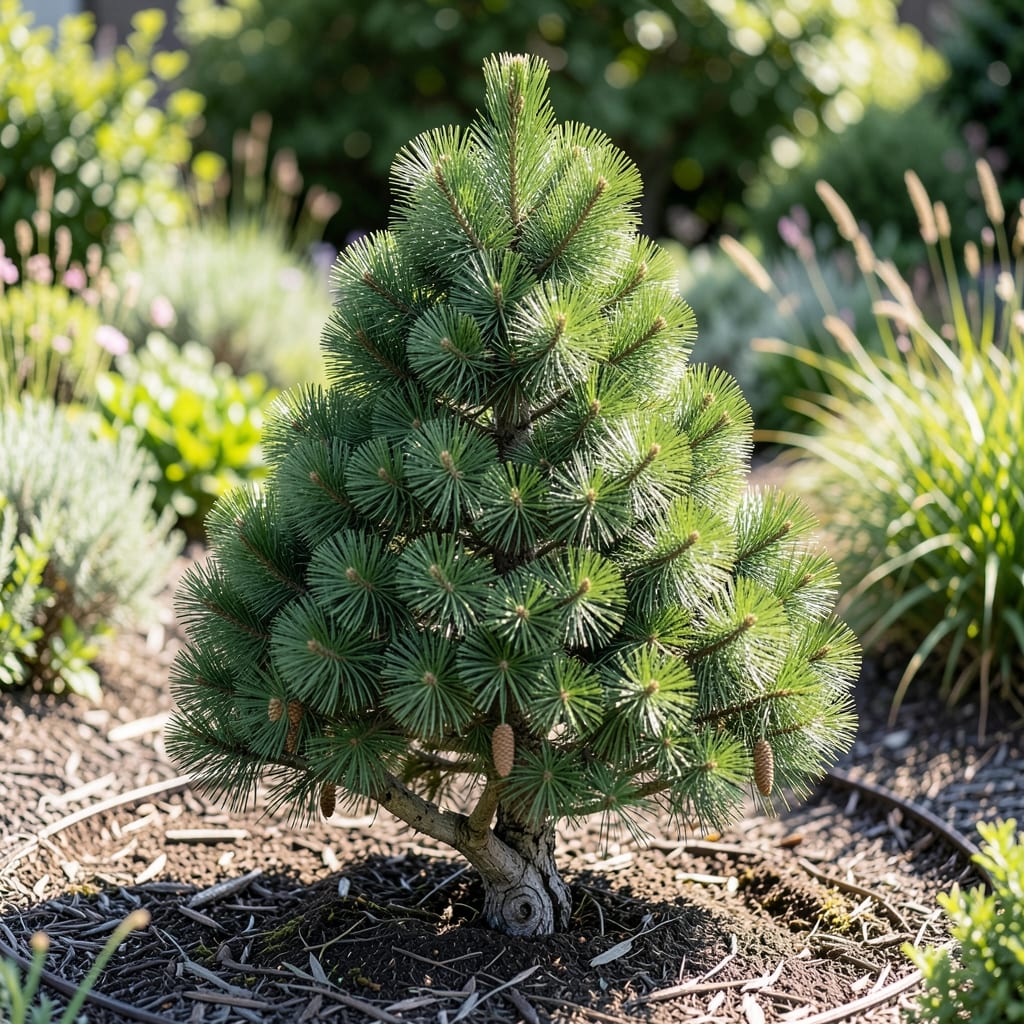
Wondering how tall your Alberta spruce 🌲 could grow? These stunning evergreens from Alberta, Canada, can reach heights that will make your landscape stand out—some varieties even towering over 40 feet when mature.
If you're planning your garden layout, knowing the growth potential is key. Alberta spruces grow at different rates depending on the variety, with some reaching their full height in just 20-30 years. Whether you're aiming for a towering centerpiece or a compact accent, understanding these growth patterns helps you choose the perfect fit for your space.
Fast-growing cultivars like 'Glauca Globosa' offer a more manageable height, while standard varieties can become the tallest trees in your yard. The right care—like proper spacing, sunlight, and soil—can help your Alberta spruce reach its full potential faster.
Let’s break down the mature height ranges and care tips to ensure your spruce grows strong and healthy, no matter which variety you choose.


Alberta spruce mature height ranges: standard vs fastest-growing varieties compared
Alberta spruce trees (Picea glauca) are known for their striking blue-green foliage and impressive height potential. The mature height of your Alberta spruce depends heavily on the variety you choose, with some reaching 40 feet or more while others stay compact. Understanding these differences helps you plan your garden layout effectively.
Standard Alberta spruce varieties can grow between 10 and 40 feet at maturity, making them a dramatic focal point for large landscapes. However, faster-growing cultivars like 'Glauca Globosa' and 'Little Gem' offer more manageable sizes, perfect for smaller yards or urban gardens.
For example, the classic Alberta spruce typically reaches 20-30 feet in height, while dwarf varieties like 'Conica' (often mistakenly called Alberta spruce) max out around 6-10 feet. This variety comparison is crucial for selecting the right tree for your space and aesthetic goals.
When planning your garden, consider the mature height and how it will interact with your existing structures. For instance, a standard Alberta spruce needs at least 10 feet of clearance from buildings and power lines to avoid future issues. Smaller varieties like 'Glauca Globosa' are ideal for urban settings where space is limited.
Another key factor is the growth rate. Faster-growing varieties like 'Little Gem' can reach 10-15 feet in just 10-15 years, while slower growers like 'Conica' take decades to reach their full height. This difference is critical if you're looking for quick results in your landscape design.
For optimal growth, plant your Alberta spruce in well-drained soil with full sun exposure. Proper spacing ensures the tree has room to develop its full potential without crowding other plants or structures. Always check local regulations for tree planting near sidewalks or roads.
If you're unsure which variety to choose, consider your garden's long-term vision. A standard Alberta spruce will dominate your landscape, while dwarf varieties add elegance without overwhelming smaller spaces. Both options bring year-round interest with their striking blue-green needles and sturdy form.
Remember, the height of your Alberta spruce isn't just about the variety—it's also influenced by care practices like pruning, watering, and soil quality. With the right conditions, even slower-growing varieties can thrive and reach their genetic potential over time.
For those eager to see faster results, focus on creating ideal growing conditions. Proper soil preparation, consistent watering, and strategic pruning can all help your Alberta spruce grow taller and healthier more quickly.
How to maximize Alberta spruce growth: soil, sunlight, and pruning tips for faster height increase
To help your Alberta spruce reach its full height potential, start with the right soil conditions. These trees thrive in well-draining, slightly acidic soil with a pH between 5.5 and 7.0. Amending heavy clay soil with organic matter like compost or peat moss improves drainage and nutrient availability, which directly impacts growth speed. Test your soil before planting to ensure it meets these requirements.
Alberta spruces are full-sun lovers, requiring at least 6 hours of direct sunlight daily for optimal growth. Planting in a south-facing location maximizes sunlight exposure, especially in northern climates where winters are long. If your yard has limited sun, consider container growing with supplemental grow lights during shorter daylight months to maintain healthy growth rates.
Watering plays a crucial role in early growth stages. Young Alberta spruces need deep watering weekly during their first two years, while established trees require watering every 10-14 days unless experiencing drought conditions. Overwatering can lead to root rot, so always ensure the soil has proper drainage. Mulching around the base with 2-3 inches of organic mulch helps retain moisture while protecting roots from temperature fluctuations.
- Soil Preparation: Mix compost into planting hole for nutrient-rich soil
- Sunlight Placement: Choose south-facing location for maximum light exposure
- Watering Schedule: Weekly for young trees, bi-weekly for established trees
- Pruning Technique: Remove dead branches in late winter to encourage new growth
- Fertilization: Apply balanced 10-10-10 fertilizer in early spring if growth is slow
Pruning is essential for maintaining your Alberta spruce's shape and promoting vertical growth. The best time to prune is in late winter or early spring before new growth begins. Focus on removing dead, diseased, or crossing branches while shaping the tree to encourage upward growth. Avoid heavy pruning, as this can stunt growth and leave the tree vulnerable to pests. For faster height increase, limit pruning to only what's necessary for health and shape.
Fertilizing can give your Alberta spruce a growth boost, especially if planted in poor soil. Use a balanced 10-10-10 fertilizer in early spring, applying about 1 pound per 100 square feet of root zone. Avoid fertilizing in late summer or fall, as this can encourage tender new growth that won't harden off before winter. For container-grown Alberta spruces, use a slow-release fertilizer to maintain consistent nutrient levels throughout the growing season.
Remember that Alberta spruces grow at different rates based on their variety. While standard varieties may take 20-30 years to reach maturity, faster-growing cultivars like 'Little Gem' can reach their full height in about 10-15 years with proper care. By focusing on these key growing conditions, you'll help your Alberta spruce reach its maximum height potential while maintaining its health and beauty for decades to come.