Trees
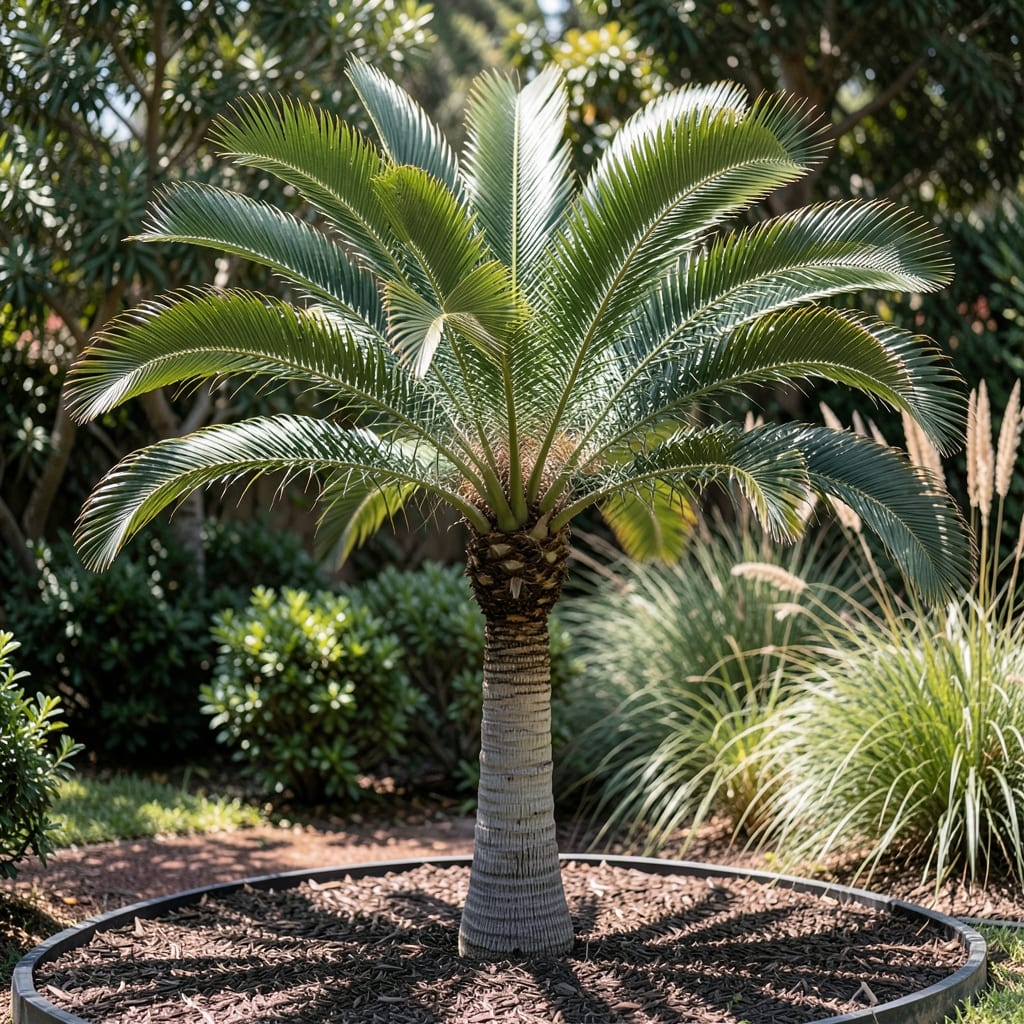
Wondering how tall do Alexander palms grow before they tower over your backyard? This tropical stunner can reach heights of 30 to 50 feet in ideal conditions, but its growth depends on where you live and how you care for it.
The 🌴 Alexander Palm is a showstopper in landscapes, but its mature size varies dramatically. In warmer climates like USDA Zone 9b, it grows faster and taller, while cooler regions might see more compact growth. Whether you're planning a statement piece or a container-friendly accent, understanding these factors is key.
You might be surprised to learn that with the right pruning and care, you can influence its height. Smaller varieties or container-grown specimens can stay under 15 feet, making them perfect for patios or urban gardens. Let’s break down what affects its growth and how to keep it at your desired size.
From tropical retreats to city balconies, the Alexander Palm adapts—but its height depends on your choices. Discover how to nurture one that fits your space perfectly, whether you want a towering centerpiece or a manageable accent plant.


Alexander Palm height by variety: mature size expectations for different species
The Alexander Palm (Archontophoenix alexandrae) is a stunning tropical plant, but its mature height varies significantly depending on the variety and growing conditions. The most common type, the standard Alexander Palm, can reach an impressive 30 to 50 feet in ideal climates like USDA Zone 10 or warmer. However, in cooler regions or with proper care, you can find dwarf varieties that stay between 10 to 15 feet, perfect for patios or smaller gardens.
If you're planning your landscape, knowing the exact variety is crucial. For example, the 'Alexander Palm' is the classic tall version, while 'Mini Alexander' or 'Bamboo Palm' (a close relative) offer more compact options. Even within the same species, growth rates can differ based on sunlight exposure, watering habits, and soil quality. Let’s explore the key varieties and their typical mature heights to help you choose the right fit for your space.
🌴
The standard Alexander Palm is the most dramatic choice, often used as a focal point in large gardens or tropical landscapes. Its slow but steady growth makes it a long-term investment, but its height means it’s best suited for properties with ample space. If you're working with limited room, the 'Mini Alexander' or 'Dwarf' varieties are excellent alternatives, offering the same elegant fronds without the towering stature.
Even within the same variety, environmental factors play a huge role in growth. For instance, a standard Alexander Palm in Southern California might reach 40 feet in 20 years, while one in Florida could surpass 50 feet due to warmer temperatures and year-round growing conditions. In contrast, a 'Mini Alexander' in a container will stay significantly shorter, rarely exceeding 12 feet, even after decades.
Choosing the right variety isn’t just about height—it’s also about how the palm fits into your landscape design. Taller varieties create a dramatic vertical element, while smaller ones add texture and greenery without overwhelming your space. For example, pairing a 15-foot 'Mini Alexander' with ground covers or low shrubs can create a balanced, layered look perfect for patios or poolside areas.
🌿
If you're unsure which variety to pick, consider your climate zone and available space. In cooler climates (Zones 9a–10a), growth will be slower, so opting for a dwarf variety is wise if you want a palm-sized accent. In warmer zones (Zones 10b and above), even standard varieties may grow faster, so plan accordingly to avoid overcrowding. Always check with your local nursery for region-specific growth expectations—they’ll have firsthand experience with how these palms perform in your area.
Finally, remember that container growing can significantly reduce height. A 15-gallon pot will restrict root growth, keeping a standard Alexander Palm under 10 feet for years. This makes it a versatile choice for balconies, rooftops, or small courtyards, where space is limited but you still want that tropical vibe.
✂️
Factors that influence Alexander Palm growth height: climate, soil & care
Understanding how to control an Alexander Palm's height starts with recognizing the key factors that influence its growth. While genetics set the baseline, climate conditions, soil quality, and care practices can dramatically alter how tall your palm becomes. For example, a standard Alexander Palm in USDA Zone 11 with optimal care may reach 50 feet, while the same variety in Zone 9b might max out at 35 feet due to cooler winters.
The amount of sunlight your palm receives is one of the most critical factors. Alexander Palms thrive in full sun (6+ hours daily), but too much intense sunlight—especially in arid climates—can stress the plant, slowing growth. In contrast, partial shade (3–4 hours of sun) may result in slower height increases but can produce denser fronds. If you're in a hot, dry region, providing afternoon shade can help maintain a healthier, more manageable growth rate.
💧
🌱 Key Factors Affecting Alexander Palm Height
- Climate Zone: Warmer zones (10b+) = faster, taller growth
- Sunlight: Full sun accelerates growth; partial shade slows it
- Soil Drainage: Poor drainage = stunted growth; well-draining = optimal growth
- Watering: Overwatering = root rot; underwatering = slower growth
- Pruning: Strategic pruning can reduce height by up to 30%
- Container Size: Smaller pots = restricted root growth = shorter height
Pro Tip: Mulching around the base retains moisture and encourages steady, healthy growth without excessive height spikes.
Soil quality plays a surprising role in an Alexander Palm's height. These palms prefer well-draining, slightly acidic soil (pH 5.5–7.0). If your soil is clay-heavy or compacted, roots struggle to expand, which can stunt growth. Amending the soil with compost or sand improves drainage and nutrient uptake, helping the palm reach its full potential height. In urban environments with poor soil, consider planting in a raised bed filled with a mix of topsoil, perlite, and organic matter to mimic ideal growing conditions.
Your watering habits directly impact growth rates. Alexander Palms need consistent moisture but hate soggy roots. Overwatering leads to root rot, which weakens the plant and slows height growth. Conversely, underwatering causes stress, leading to slower or uneven growth. In summer months, water deeply 2–3 times per week, while in winter, reduce to once every 2 weeks. A drip irrigation system is ideal—it delivers water directly to the roots without wetting the fronds, reducing fungal risks.
Pruning is another powerful tool for controlling height. While Alexander Palms don’t require regular pruning, strategic crown pruning (removing the top fronds) can reduce height by 1–2 feet per cut. However, avoid over-pruning, as this can stress the plant and lead to weak, leggy growth. Always use sterilized pruning shears and prune just above a leaf node to encourage new growth. For container-grown palms, pruning the oldest fronds encourages bushier, more compact growth.
🌿
Finally, the container size you choose makes a massive difference if you're growing your Alexander Palm in a pot. A 15-gallon container will keep a standard palm under 10 feet for years, while a 50-gallon pot allows for more aggressive growth. Always ensure the pot has drainage holes and use a lightweight, well-draining potting mix. If you notice roots circling the pot, it’s time to uproot and repot into a larger container to avoid root-bound stress, which can stunt height growth.
By mastering these factors, you can guide your Alexander Palm’s growth to fit your space perfectly—whether you want a towering tropical statement or a compact patio centerpiece. Start with the right variety, optimize your climate conditions, and maintain consistent care to achieve the height you desire.