Size
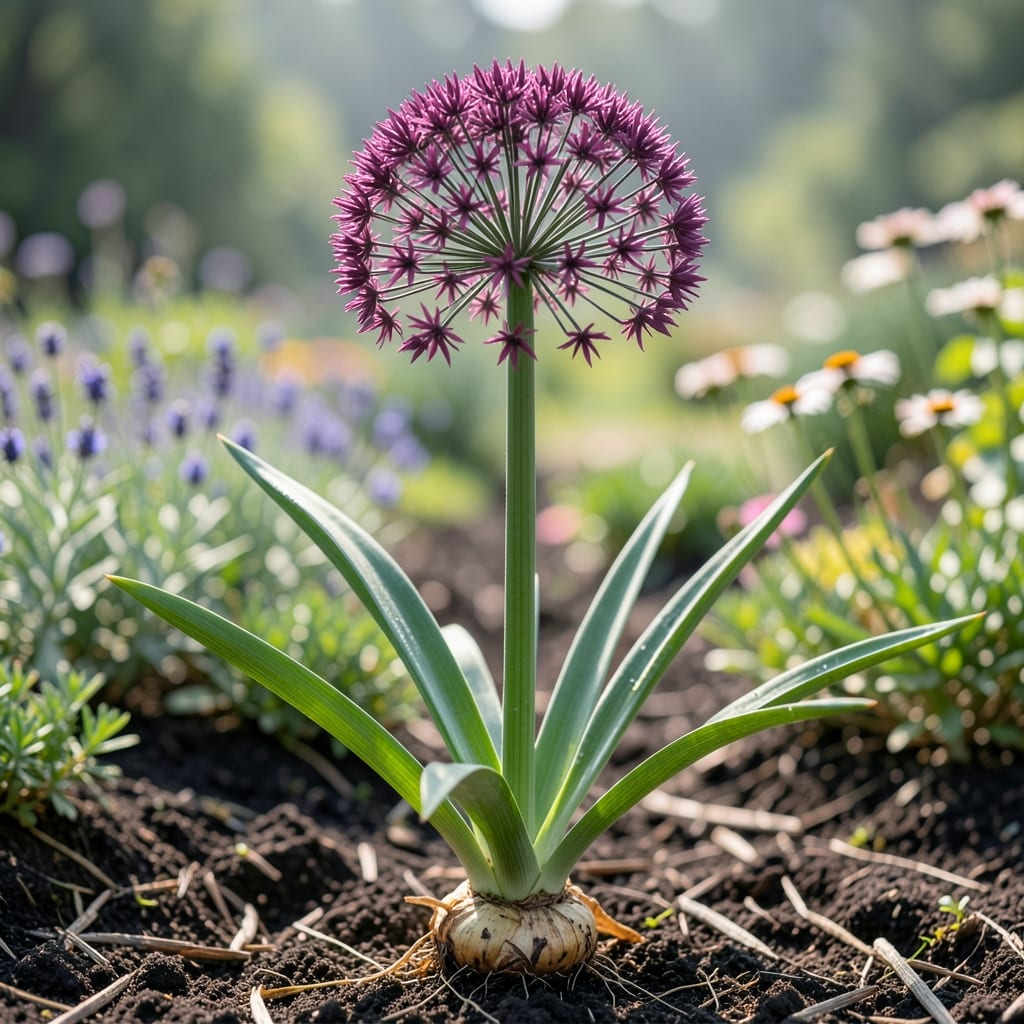
If you’ve ever wondered how tall do allium grow and whether they’ll fit neatly into your garden or tower over your patio furniture, the answer depends entirely on the variety you choose. These striking 🌸 blooms range from delicate 8-inch beauties to dramatic 7-foot giants, making them incredibly versatile for any landscape—whether you’re designing a cozy cottage garden or a bold modern space.
Most allium varieties mature between 1 and 4 feet, but some standout species like Allium giganteum can reach heights of nearly 7 feet, while smaller types like Allium roseum stay compact at just 6 inches. Understanding these differences is key to planning your garden layout, especially if you’re balancing them with other plants or working with limited space.
Sunlight, soil quality, and spacing all play a role in how tall your alliums grow. For example, full sun exposure and well-draining soil help them reach their full potential, while overcrowding can stunt their growth. Whether you’re planting in Zone 6a or another climate, knowing these factors will help you create a thriving display that’s both functional and stunning.
Ready to transform your garden? I’ll walk you through the exact height ranges for popular varieties and share tips for spacing and care to ensure your alliums grow to their full glory—no surprises included.


Allium height guide: exact growth ranges by popular varieties
Alliums are nature’s way of adding drama to your garden with their striking globular flower heads and varied heights. Some varieties stay compact enough for container gardens, while others reach towering heights perfect for backyard focal points. The key to planning your space? Knowing exact mature heights by variety. Let’s break down the spectrum from dwarf alliums to giant varieties so you can choose what fits your vision.
Whether you’re designing a modern urban garden or a traditional cottage border, allium height plays a crucial role. A 3-foot allium might blend into a mixed border, while a 7-foot giant could steal the show as a solitary statement plant. Below, I’ve organized the most popular allium varieties by their mature height ranges, including tips on how to use them in your landscape.
🌱 Pro Tip: Allium heights are measured from the base of the plant to the highest point of the flower head. Always account for stem thickness—some varieties like Allium giganteum have thick, sturdy stems that support their weight, while others may need staking in windy areas.
If you’re working with limited space, varieties like Allium roseum or Allium moly are perfect for rock gardens or container arrangements. Their compact stature (under 12 inches) makes them ideal for edging paths or filling gaps between taller perennials. For a bold statement, Allium giganteum or Allium globemaster will dominate your backyard landscape, reaching heights of 5–7 feet.
One factor that often surprises gardeners? Allium height can vary slightly based on growing conditions. Plants in full sun and well-draining soil tend to grow taller and more robust than those in shady or waterlogged spots. For example, Allium giganteum might only reach 4 feet in poor soil conditions, while in ideal conditions, it can top 7 feet. Always plant bulbs in well-amended soil to encourage maximum growth.
For cut flower arrangements, taller varieties like Allium schubertii or Allium cristophii (3–5 feet) provide dramatic vertical interest. Their long stems hold up well in bouquets, lasting 1–2 weeks in a vase. If you’re designing a seasonal display, pair early-blooming alliums (like Allium moly) with late-summer varieties (like Allium sphaerocephalon) to extend your garden’s <
How Allium height affects your garden design: spacing and placement tips
When planning your garden, allium height isn’t just about aesthetics—it’s about functionality. A 7-foot allium like Allium giganteum planted too close to a patio or fence can create a shadowy dead zone, while a 6-inch allium like Allium roseum might get lost in a tall perennial border. The key is strategic spacing based on mature height to ensure your garden thrives with balance and harmony.
For small gardens or containers, stick to dwarf varieties (under 12 inches). These work beautifully in rock gardens, window boxes, or as edging plants. For example, Allium moly (1 foot tall) pairs perfectly with lavender or thyme in a herb spiral. In contrast, tall alliums (5+ feet) need open space—place them near fences or trellises where they can anchor the back of a border.
🌱 Spacing Rule of Thumb: Multiply the mature height by 1.5 to determine spacing. For instance, a 4-foot allium (like Allium cristophii) should be planted 6 feet apart to prevent overcrowding. This ensures airflow and light penetration, reducing the risk of fungal diseases like botrytis.
If you’re designing a modern landscape, use tall alliums as vertical accents. Their architectural stems create visual interest year-round, even after blooms fade. Pair Allium globemaster (4–5 feet) with grasses like Miscanthus for a contemporary look. For cottage gardens, mix medium-height alliums (2–3 feet) with peony or rose for a romantic, layered effect.
For windy areas, consider staking taller varieties like Allium giganteum to prevent flopping. Use bamboo stakes or pea sticks tied loosely to the stems to support their weighty flower heads. This is especially important in exposed locations where stem breakage can occur.
Finally, think about seasonal interest. Plant early bloomers (like Allium moly) near late-season alliums (like Allium sphaerocephalon) to extend your garden’s color palette from spring to summer. This creates a continuous display that keeps your space visually engaging all season long.