Trees
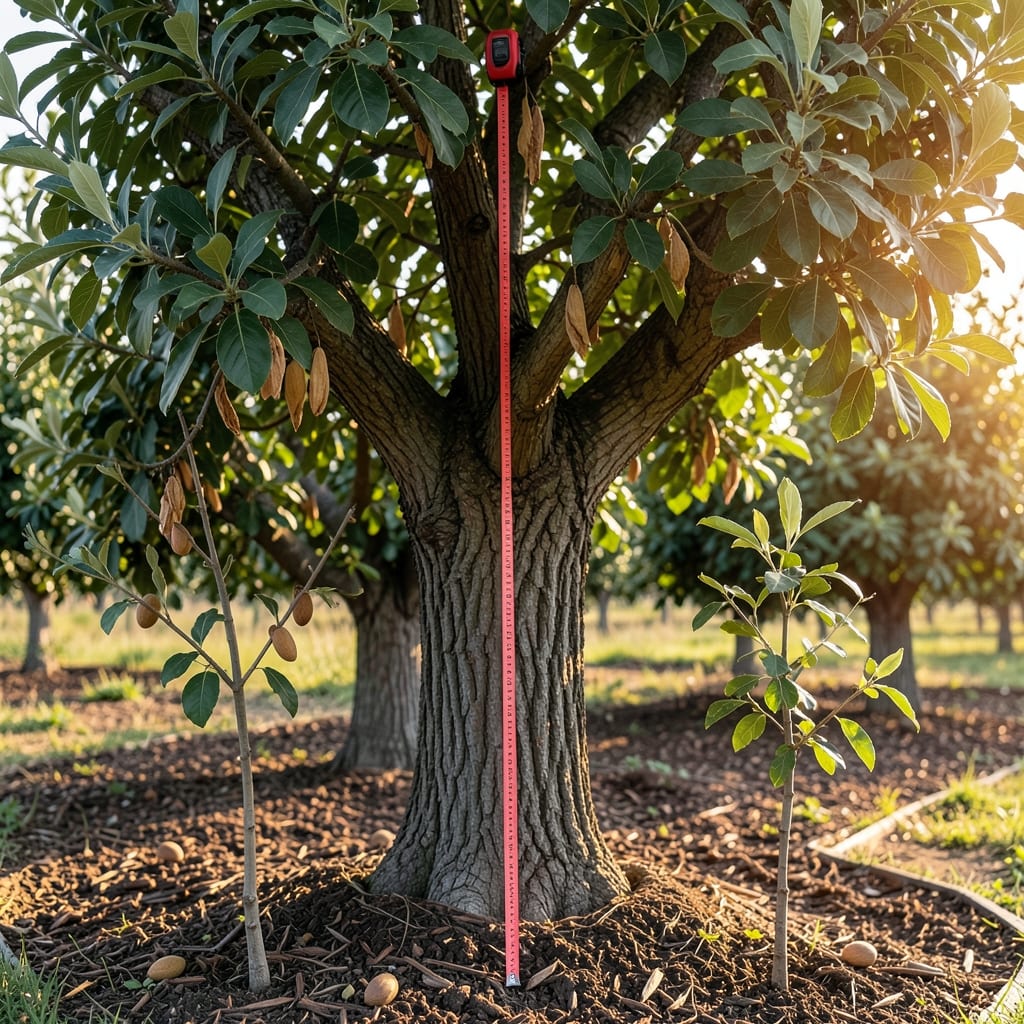
If you're dreaming of growing your own almonds but wondering "how tall do almond trees grow", the answer might surprise you—these trees can reach towering heights of 20 to 40 feet at maturity, depending on the variety and care they receive. That’s taller than a two-story house, so spacing and pruning become critical for both backyard growers and commercial orchards.
Not all almond trees are created equal, though. Dwarf varieties stay between 12 to 18 feet, making them perfect for small gardens or container growing, while standard types can easily stretch toward 30 feet or more. The right choice depends on your space and goals—whether you're aiming for a manageable home orchard or a high-yielding commercial setup.
Pruning plays a huge role in controlling height and maximizing fruit production. Without proper care, an almond tree can grow unchecked, shading out lower branches and reducing yields. But with the right techniques—like strategic cuts in late winter—you can shape the tree to fit your space while keeping it healthy and productive.
Ready to get started? I’ll walk you through the best varieties for your space, pruning tips to keep growth in check, and how to balance height with harvest potential. Let’s make sure your almond tree thrives without taking over your yard!

Almond tree height by variety: dwarf to standard size guide
Almond trees aren’t one-size-fits-all—some varieties stay compact enough for a suburban backyard, while others grow into towering orchard staples. The mature height of an almond tree depends entirely on its variety and rootstock, with dwarf types reaching just 12–18 feet and standard varieties soaring to 30–40 feet or more. Choosing the right size ensures your tree fits your space while still producing bountiful harvests.
For home gardeners with limited space, dwarf almond trees (grafted onto peach or plum rootstock) are a game-changer. These stay under 12 feet and bear fruit faster than their taller counterparts. Meanwhile, semi-dwarf varieties (18–25 feet) strike a balance, offering manageable height with high yields—ideal for small homesteads or urban orchards.
Commercial growers typically opt for standard almond trees, which can exceed 30 feet and require heavy-duty pruning to maintain structural integrity. Without proper care, these giants can develop weak branches, reducing fruit quality and increasing disease risk. The key is matching your space, climate, and goals to the right variety.
Here’s a quick breakdown of popular almond varieties and their mature heights to help you decide:
When selecting a variety, consider your climate zone and pollination needs. Most almond trees require a second variety for cross-pollination to produce nuts, except for self-fertile types like Carmel or Sonora. For example, pairing Nonpareil (dwarf) with Butte (dwarf) ensures reliable fruit set in small spaces.
If you’re planting multiple trees, space them 20–30 feet apart for standard varieties to allow airflow and reduce disease risk. Dwarf trees can be spaced 12–15 feet apart, making them perfect for hedgerows or mixed orchards. Always check your local USDA hardiness zone—most almonds thrive in zones 6–9, with some varieties like Butte tolerating cooler climates.
Pro tip: If you’re unsure about height, start with a dwarf variety on peach rootstock. They mature faster, produce fruit in 3–5 years (vs. 5–7 for standard trees), and are easier to prune. Plus, their compact size makes harvesting nuts from a ladder far less risky!
Remember, even dwarf trees benefit from regular pruning to maintain shape and encourage fruit production. I’ll cover pruning techniques in the next section, but for now, focus on choosing a variety that aligns with your space and goals. A well-placed almond tree can be both a stunning landscape feature and a productive addition to your homestead.
How pruning affects almond tree height & yield
Pruning isn't just about keeping your almond tree from becoming a 40-foot skyscraper—it's the secret to maximizing fruit production and tree health. Without proper pruning, almond trees grow wildly tall, develop weak branches, and produce fewer nuts. The right cuts at the right time can reduce height by 30% while boosting harvests by up to 50% in some cases.
Timing is everything with almond trees. The best time to prune is late winter or early spring, just before buds swell but before new growth begins. This dormant-season pruning removes dead wood, shapes the tree, and encourages strong new growth. Avoid pruning in fall—it can stimulate late-season growth that won't harden off before winter, making branches more susceptible to frost damage.
Here's how pruning directly impacts your almond tree's height and productivity:
- 1 Remove Vertical Water Sprouts: These fast-growing upward shoots can add 5+ feet in a single season if left unchecked. Cut them back to a side branch to redirect energy to fruit production.
- 2 Thin Crowded Branches: Overcrowding reduces air circulation, increasing disease risk. Remove 1 in 3 branches that are too close together, focusing on the lower third of the tree to maintain an open center.
- 3 Head Back Overgrown Limbs: If a branch exceeds 1/3 of the trunk diameter, cut it back to a lateral branch to control height while maintaining structure. This technique reduces vertical growth by 20-40%.
- 4 Encourage Horizontal Branches: Almond trees naturally grow upright, but angled cuts (45-degree) encourage outward growth where sunlight and fruit production are optimal. This creates a spread-out canopy that's easier to harvest.
- 5 Remove Suckers from Base: These low-growing shoots compete with the main tree for nutrients. Removing them early prevents them from growing 3-5 feet tall and sapping energy from fruit production.
For dwarf varieties, focus on maintaining an open vase shape with 5-7 main scaffold branches. This keeps height manageable while maximizing sunlight exposure to lower branches. Standard trees need more aggressive pruning—removing up to 30% of the canopy annually to prevent them from becoming unmanageable giants.
Pro tip: Always use sharp, clean tools to make cuts at a 45-degree angle, just above a bud or lateral branch. Disinfect your pruners between cuts to prevent spreading bacterial canker, a common almond tree disease. And remember—less is more. Over-pruning can stress the tree and reduce next year's harvest.
When done correctly, pruning transforms your almond tree from a wild, unruly giant into a well-structured, high-yielding asset. The key is consistency—prune annually to maintain your desired height while keeping the tree healthy and productive. With the right techniques, you can enjoy easier harvesting and better fruit quality without sacrificing tree size.