
Succulent
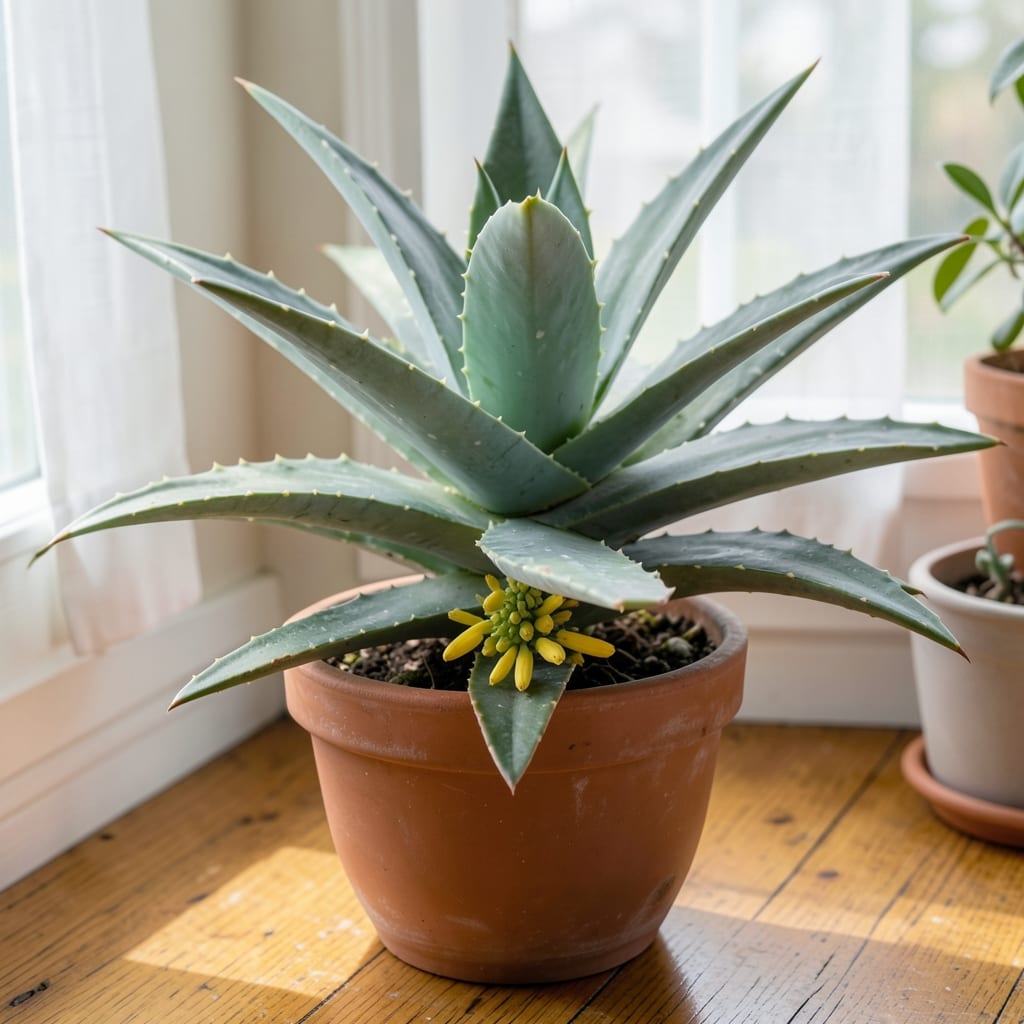
If you're wondering how tall your aloe vera plant 🌱 will grow, the answer might surprise you—some varieties stay compact while others can tower like small trees. The height of your aloe vera depends on its type, care, and environment, with mature plants typically reaching anywhere from 1 to 3 feet tall.
For most gardeners, the classic Aloe barbadensis (the type you’ll find in stores) stays between 2 to 3 feet tall, making it perfect for shelves or countertops. But if you’re growing Aloe arborescens, expect it to stretch taller, sometimes even reaching 6 feet or more in ideal conditions.
Your plant’s height also depends on where you keep it—indoors or outdoors. In USDA Zone 6, outdoor aloe vera grows faster with plenty of sunlight, while indoor plants may stay shorter unless you provide bright light. The key to controlling its size? Proper pruning and repotting when needed.
Whether you want a low-maintenance houseplant or a striking vertical feature, understanding these growth factors will help you nurture your aloe vera to the perfect height. Let’s break down what you need to know to keep it thriving.


Aloe vera growth heights by popular variety (with visual comparison)
Aloe vera plants come in stunning variety, and their height differences can be dramatic. The most common type, Aloe barbadensis, typically reaches 2 to 3 feet tall with proper care. But if you're growing Aloe arborescens, you might end up with a plant that towers up to 6 feet—more like a small tree than a houseplant!
Even within these ranges, growth patterns vary. Some varieties grow straight upward with long, arching leaves, while others spread wider with shorter stems. Understanding these differences helps you choose the perfect aloe vera for your space, whether you want a compact countertop plant or a statement-piece succulent for your garden.
Below is a comparison of 10 popular aloe vera varieties and their typical mature heights. This table helps you visualize what to expect based on the type you choose.
| Variety | Mature Height | Growth Pattern | Best For |
|---|---|---|---|
| Aloe barbadensis | 2-3 ft | Rosette-shaped, upright | Indoor pots, medicinal use |
| Aloe arborescens | 3-6 ft | Tree-like, branching | Outdoor gardens, borders |
| Aloe striata | 1-2 ft | Low-growing, spreading | Rock gardens, containers |
| Aloe brevifolia | 1-1.5 ft | Compact, rosette | Desk plants, terrariums |
| Aloe dichotoma | 6-10 ft | Tree-like, thick trunk | Arid landscapes, large gardens |
| Aloe saponaria | 2-3 ft | Upright, clustered | Drought-tolerant gardens |
| Aloe mitriformis | 1-2 ft | Low, spreading rosettes | Succulent collections, borders |
| Aloe peglerae | 2-4 ft | Tall, slender stems | Vertical gardens, containers |
| Aloe zebrina | 1-2 ft | Compact, striped leaves | Indoor decor, small spaces |
| Aloe variegata | 1-2 ft | Low, trailing leaves | Hanging baskets, shelves |