
Flowers
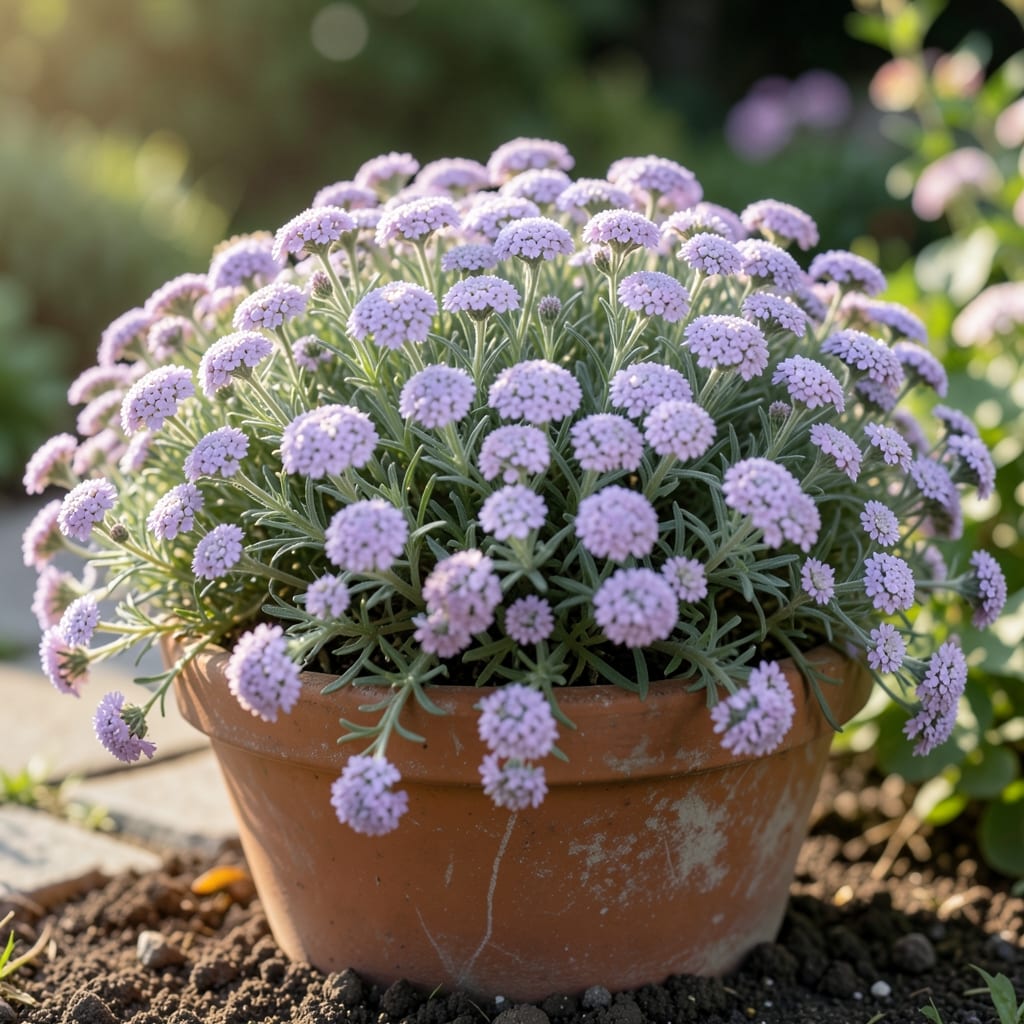
If you’ve ever wondered how tall Alyssum grow, you’re not alone—this tiny but mighty flower packs a big punch in small spaces. Whether you’re planning a fragrant border or a cascading container garden, knowing the height range is the key to making the most of these 🌸 blooms. Some varieties stay compact at just 3–4 inches, while others stretch out to 8–12 inches, creating a lush, layered look without overwhelming your design.
The beauty of Alyssum lies in its versatility, but choosing the right variety for your space matters. Dwarf types like 'Snowdrift' are perfect for edging or filling gaps between rocks, while trailing varieties like 'Tumbling Waters' spill beautifully over walls or hanging baskets. With the right care—like proper spacing and occasional pruning—you can encourage the exact height and spread you want, turning a small patch into a fragrant, pollinator-friendly oasis.
What if you’re unsure which type to pick? Don’t worry—I’ll break down the height differences and share practical tips to maximize growth, whether you’re working in USDA Zone 6 or a container on your balcony. From planting in March–April to harvesting those sweet-smelling blooms in May–June, you’ll learn how to get the most out of your Alyssum, no matter how much (or little) space you have.
Ready to transform your garden with these low-maintenance charmers? Let’s dive into the details so you can pick the perfect Alyssum for your vision—and watch it thrive all season long.

Alyssum height guide: compact vs. trailing varieties explained
Alyssum’s height range is one of its biggest charms—it stays small enough to fit almost anywhere while still making a big impact. Most varieties top out between 3 and 12 inches, but the real magic happens in how they grow. Some varieties mound like a living cushion, while others trail gracefully, creating a waterfall effect in containers or along borders. Understanding these differences will help you pick the perfect variety for your garden’s height zones and design goals.
If you’re working with limited vertical space, dwarf varieties like 'Snowdrift' or 'Little Dorrit' are ideal—they max out at just 3–4 inches but spread generously, making them perfect for rock gardens or window box edging. On the other hand, trailing types like 'Tumbling Waters' or 'Queen of Sheba' stretch out to 8–12 inches, cascading beautifully over hanging baskets or trellises. The key is matching the variety to your space’s needs—whether you want a neat border or a dramatic spillover.
The height of your alyssum also depends on how you plant and prune it. Without proper care, even dwarf varieties can stretch taller or become leggy, while trailing types might not spread as much as expected. For example, 'Snowdrift' left unpruned can reach 6 inches instead of its ideal 3–4 inches, while 'Tumbling Waters' may only trail 6 inches if crowded. The good news? With the right spacing and maintenance, you can steer your alyssum toward its ideal height and shape.
Now, let’s break down the most popular varieties by height and growth habit so you can visualize how they’ll fit into your garden. Whether you’re designing a pollinator-friendly border or a fragrant container garden, knowing these specifics will help you create a cohesive, eye-catching look.
As you can see, the height differences between varieties are dramatic enough to change how you use alyssum in your garden. For instance, 'Snowdrift' is perfect for tight spaces like crevices between pavers, while 'Tumbling Waters' is designed to spill over edges, creating a dynamic, layered look. If you’re unsure which to choose, consider your garden’s vertical real estate and whether you need a neat finish or a dramatic cascade.
Another factor that affects height is the growing conditions you provide. Alyssum thrives in full sun (6+ hours daily) and well-draining soil, but even with ideal care, some varieties will naturally grow taller or shorter based on their genetics. For example, 'Violet Queen' might stay closer to 4 inches in cooler climates but stretch to 6 inches in warmer, sunnier spots. This adaptability makes alyssum a great choice for USDA Zone 6 gardens, where temperatures fluctuate throughout the growing season.
Pro tip: If you’re planting alyssum in containers, choose trailing varieties like 'Tumbling Waters' to maximize visual interest. For ground cover or edging, dwarf types like 'Little Dorrit' will give you a clean, uniform look without taking over. And if you’re aiming for a pollinator magnet, any variety will work—as long as you plant them in clusters to create a continuous bloom that attracts bees and butterflies.
Ready to pick the perfect alyssum for your space? The next step is ensuring you’re giving it the right care to hit its ideal height. From spacing tips to pruning tricks, I’ll cover everything you need to keep your alyssum looking its best—no matter which variety you choose.
Alyssum height guide: compact vs. trailing varieties explained
Alyssum’s height range is one of its most appealing features—whether you crave a neat 3-inch border or a dramatic 12-inch cascade. The key lies in the variety: dwarf types stay low and bushy, while trailing varieties stretch out like living waterfalls. For example, 'Snowdrift' tops out at just 3–4 inches, making it ideal for rock gardens or between stepping stones, while 'Tumbling Waters' can reach 8–12 inches, perfect for hanging baskets or spilling over walls.
Most common alyssum varieties fall between 4–8 inches at maturity, but their growth habits vary wildly. Some mound up like a fluffy cloud of flowers, while others sprawl outward, creating a soft, trailing effect. This diversity means you can mix heights in a single bed for a textured, layered look—just imagine 3-inch 'Snowdrift' framing 6-inch 'Easter Bonnet' in the center, with 10-inch 'White Queen' cascading over the edge.
🌸
Understanding these height differences helps you plan your garden like a pro. For instance, if you’re filling a 6-inch-deep container, a trailing variety like 'Tumbling Waters' will spill beautifully over the edges, while a 3-inch dwarf like 'Snowdrift' would look lost in the space. Pro tip: Check the tag when buying plants—many nurseries list the mature height, so you can avoid surprises.
But height isn’t the only factor—light and soil also play a role. Alyssum thrives in full sun (6+ hours daily), but too much shade can make it leggy and sparse, while poor drainage can stunt its growth entirely. If you’re planting in USDA Zone 6, aim for well-draining soil and a spot with morning sun to prevent stress. With the right conditions, even the shortest varieties will bush out beautifully, while taller types will trail like a dream.
🌿
Ready to pick the perfect variety? The next step is spacing and pruning—because even the most compact alyssum can stretch if given too much room. I’ll show you how to encourage the exact height you want, whether you’re going for a neat 4-inch border or a lush 10-inch cascade. Let’s make sure your alyssum grows to its full (and fragrant) potential!