Size
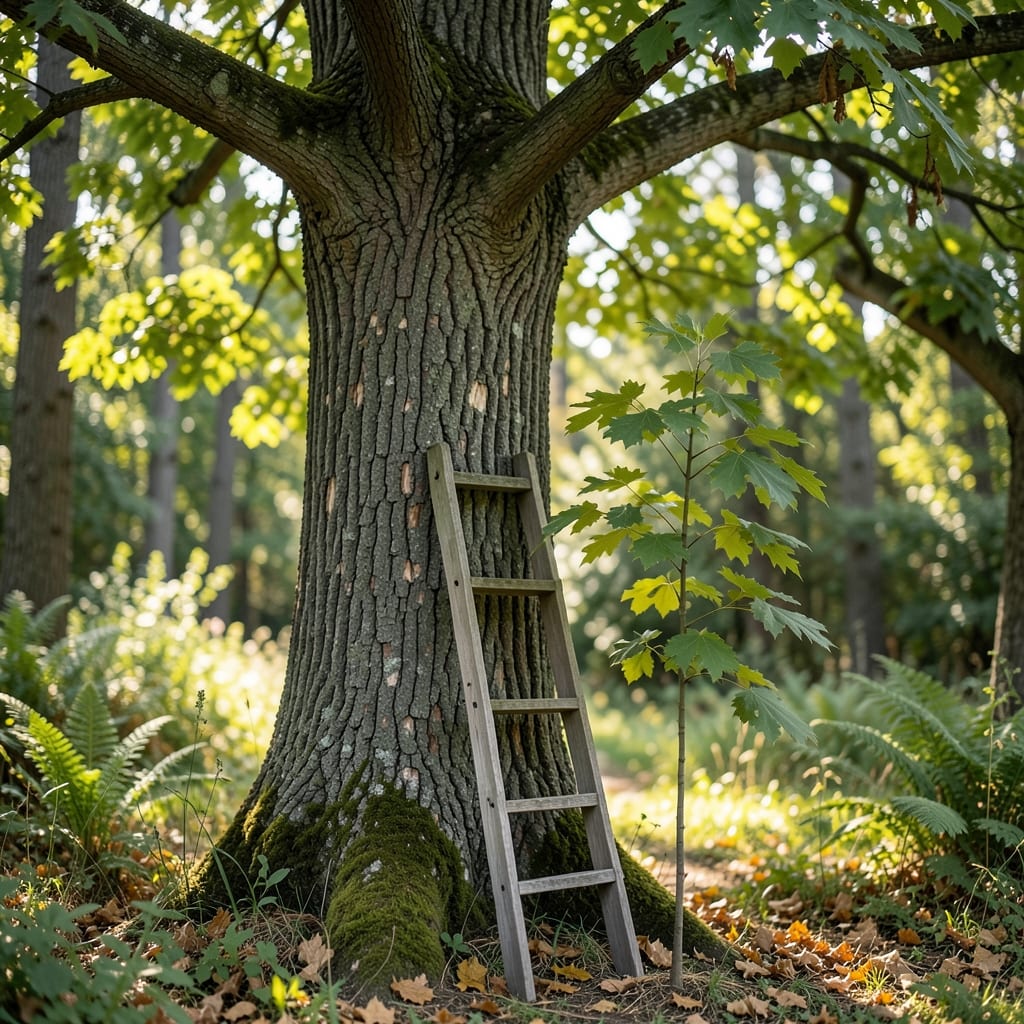
If you're dreaming of a majestic American Elm Tree 🌳 towering over your yard, you might be surprised to learn how tall these trees can grow—reaching heights of 40 to 80 feet—making them one of the most impressive shade trees around. Before you plant, understanding their mature size is key to giving your tree the space it needs to thrive without crowding your home or driveway.
What makes these trees so fascinating isn't just their height—it's how quickly they grow. Young American elms shoot up 3 to 5 feet per year in ideal conditions, turning a sapling into a small tree in just a few seasons. But here's the catch: their final height depends on variety, soil quality, and even your climate zone, so spacing and pruning early can save you headaches later.
Whether you're planning a backyard retreat or a street-lining project, knowing how tall American elms grow helps you avoid common mistakes like planting too close to structures. I'll break down the height ranges by variety, growth rates, and the best practices for keeping your tree healthy—and your landscape intact.
Ready to transform your outdoor space with a tree that offers both beauty and shade? Let's dive into what you need to know before you dig that first hole.


American elm tree height by variety: from dwarf to giant species
The American elm (Ulmus americana) is famous for its towering presence, but not all varieties reach the same mature height. While wild-type American elms can soar to 70-80 feet, many cultivated varieties stay shorter—making them ideal for smaller yards or urban planting. Understanding these differences helps you choose the right tree for your space.
If you're considering an American elm, the standard variety is the tallest, but dwarf or columnar varieties like 'Prairie Spire' offer a more compact option. Below, I’ll break down the height ranges for the most popular varieties, so you can plan accordingly—whether you need a shade giant or a space-saving specimen.
Key factors influencing height include: - Genetics (variety) - Growing conditions (soil, sunlight, water) - Pruning practices (early pruning can limit height) - Climate zone (warmer zones may accelerate growth)
| Variety | Mature Height (ft) | Growth Rate (ft/year) | Best For |
|---|---|---|---|
| Standard American Elm | 70-80 | 3-5 | Large estates, parks |
| 'Prairie Spire' | 30-40 | 2-3 | Urban yards, small lots |
| 'Siberian Elm' | 50-60 | 3-4 | Medium yards, street planting |
| 'Lacebark Elm' | 40-50 | 2-4 | Ornamental landscapes |
| 'New Horizon' | 25-35 | 1-2 | Small spaces, containers |
For urban landscapes, varieties like 'Prairie Spire' or 'New Horizon' are game-changers. These columnar elms grow vertically rather than spreading wide, making them perfect for narrow yards or alongside driveways. Meanwhile, the standard American elm is best suited for rural properties with ample space.
If you're planting near power lines or structures, always check local regulations—some areas restrict tree heights near utilities. A 30-foot 'Prairie Spire' might be ideal for a suburban lot, while a 70-foot standard elm needs at least 50 feet of clearance from buildings and sidewalks.
Another critical factor is soil quality. Poor drainage or compacted soil can stunt growth, while rich, loamy soil encourages faster height increases. Always amend your soil with compost before planting to give your elm the best start.
Pro tip: If you're unsure about height, opt for a grafted variety like 'Lacebark Elm,' which offers predictable growth and stunning bark for winter interest. For a fast-growing shade tree, the standard variety is unbeatable—but only if you have the space!
Remember, even dwarf varieties can grow taller in ideal conditions. Always monitor your tree’s growth and prune strategically to maintain its shape and size. With the right variety and care, your American elm will become a stunning focal point for decades to come.
How fast do American elms grow to mature height? Yearly growth charts
One of the most exciting—and sometimes overwhelming—aspects of growing an American elm is watching it shoot up quickly. These trees are known for their rapid vertical growth, especially in their early years. On average, a healthy American elm can grow 3 to 5 feet per year during its prime growth phase, which typically lasts for the first 10 to 15 years of its life.
But here’s the catch: growth rates slow down as the tree matures. A 10-year-old elm might still add 2 to 3 feet annually, while a 20-year-old tree may only grow 1 foot per year or less. Understanding this pattern helps you set realistic expectations and plan your landscape accordingly.
Climate plays a huge role in growth speed. In warmer USDA zones (7-9), American elms can grow up to 6 feet per year in ideal conditions, while in cooler zones (4-6), growth may be slower, averaging 2 to 3 feet annually. Soil quality, water availability, and sunlight exposure also influence how quickly your tree reaches its mature height.
For example, a standard American elm planted in Zone 7 might reach 40 feet in 15 years if given ideal care, while the same tree in Zone 5 could take 20 years to reach that height. This difference is why climate zone matters when choosing a variety or planning your landscape.
If you're impatient for shade, varieties like 'Siberian Elm' or 'Prairie Spire' offer a faster return on investment. While they grow slightly slower than standard elms, their compact size makes them perfect for urban settings where space is limited. Just remember: even slower-growing varieties will eventually reach their mature height, so always plant with future growth in mind.
To maximize growth, focus on deep watering during dry spells and annual pruning to remove dead or crowded branches. Mulching around the base of the tree also encourages root development, which supports faster vertical growth. With the right care, your American elm could be providing generations of shade in just a few decades!