
Flowers
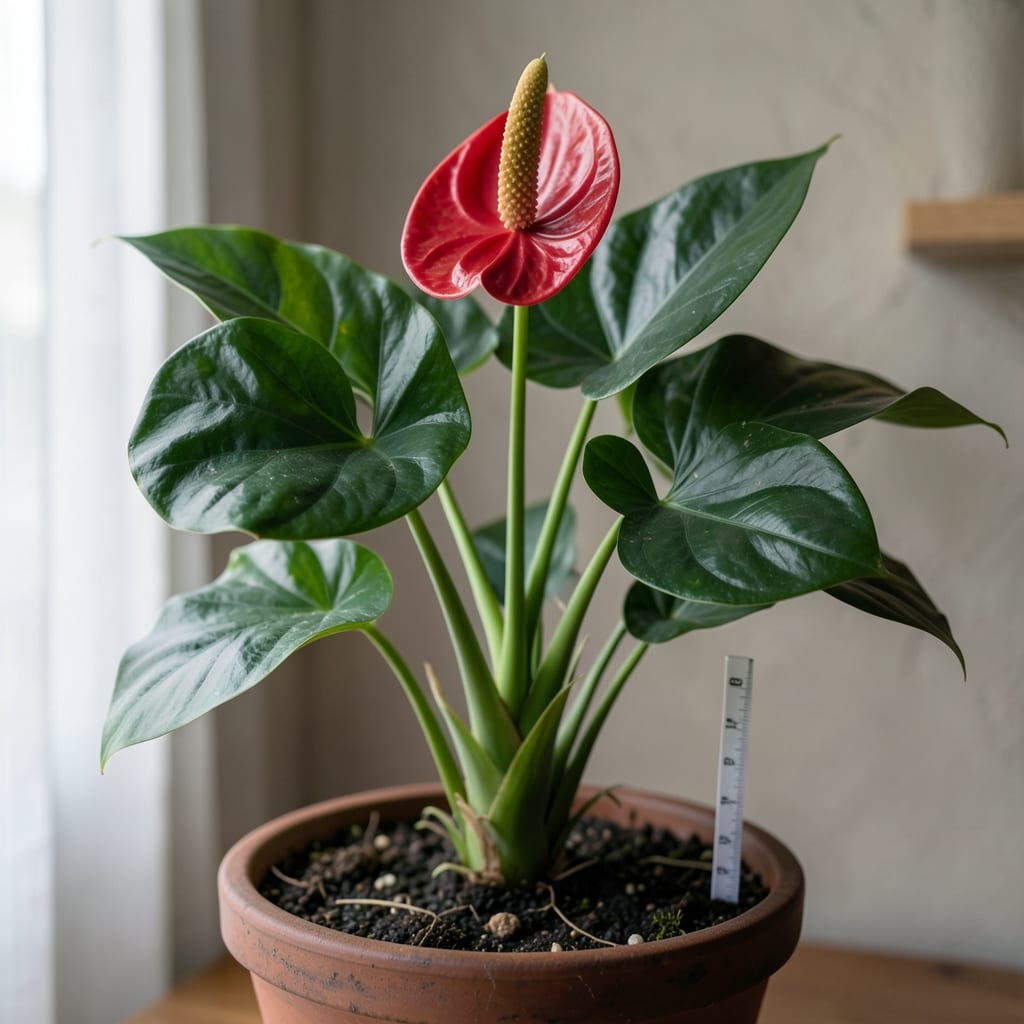
Wondering how tall do anthuriums grow before they outgrow your space? These stunning 🌸 plants can be both a compact centerpiece or a dramatic vertical statement—it all depends on the variety and how you care for them.
Most anthuriums stay between 2 and 4 feet tall indoors, making them perfect for tables and shelves, while outdoor varieties can stretch up to 6 feet when given room to climb. The key to controlling their height lies in understanding their growth habits and light needs.
Some varieties, like the trailing Anthurium crystallinum, cascade beautifully from hanging baskets, while others grow upright with broad leaves. With the right pruning techniques and support, you can keep even the tallest types manageable—no matter how limited your space.
Let’s break down the height ranges by variety and share my top tips for keeping your anthuriums at the perfect size for your home or garden.


Anthurium height by variety: compact vs. towering types
Anthuriums are stunning tropical plants, but their height can vary dramatically depending on the variety and growing conditions. While some stay under 2 feet—perfect for small spaces—others can tower up to 12 feet outdoors, making them ideal for vertical gardens or as statement plants. Understanding these differences helps you choose the right type for your home or garden.
Most indoor anthuriums (like the classic Anthurium andraeanum) reach 2–4 feet tall, while outdoor varieties can stretch much taller. Factors like light exposure, pruning habits, and container size also play a role in their growth trajectory. Let’s break down the most popular varieties and their mature heights.
🌱
| Variety | Mature Height (Indoors) | Mature Height (Outdoors) | Growth Habit | Best For |
|---|---|---|---|---|
| Anthurium andraeanum | 2–3 ft | 3–5 ft | Upright, bushy | Indoor pots, small gardens |
| Anthurium crystallinum | 1–2 ft | 2–4 ft | Trailing, vining | Hanging baskets, vertical gardens |
| Anthurium clarinervium | 3–5 ft | 6–12 ft | Climbing, sprawling | Trellises, large containers |
| Anthurium hookeri | 1.5–2.5 ft | 3–6 ft | Compact, bushy | Tabletop displays, small spaces |
| Anthurium veitchii | 4–6 ft | 8–12 ft | Vining, aggressive | Outdoor gardens, large containers |
If you’re growing anthuriums indoors, most varieties will stay within 3–5 feet unless you provide extra support or light. Outdoor anthuriums, however, can become much larger—especially in tropical climates where they thrive year-round. For example, Anthurium veitchii can reach 12 feet if left unchecked, while Anthurium hookeri remains a manageable 2–3 feet tall.
The growth habit of each variety also matters. Some, like Anthurium crystallinum, trail beautifully, making them perfect for hanging baskets or vertical gardens. Others, like Anthurium clarinervium, climb aggressively and need trellises or stakes to support their weight. Always check the specific variety’s needs before planting.
Light exposure is another critical factor. Anthuriums grown in bright indirect light tend to stay compact and bushy, while those in low light may stretch (a condition called etiolation) and grow leggy. If you notice your anthurium reaching for the light, it’s time to move it closer to a window or add a grow light.
For outdoor growers, choose varieties that match your climate. In USDA Zones 10–12, anthuriums can grow year-round, but in cooler zones, they’re best treated as seasonal container plants. Always use well-draining soil and large pots to prevent root rot, which can stunt growth or kill the plant.
If you’re worried about overgrowth, regular pruning can keep anthuriums at your desired height. Simply trim back leggy stems just above a leaf node, and the plant will redirect energy to bushier growth. This works especially well for indoor varieties like Anthurium andraeanum.
🌿
How to control Anthurium growth for small spaces
If you love anthuriums but worry about them outgrowing your space, don’t fret! With the right techniques, you can keep even the tallest varieties manageable. The key lies in pruning, support systems, and smart light management. Whether you’re working with a 2-foot indoor plant or a 6-foot outdoor climber, these methods will help you maintain the perfect height for your home or garden.
Start by understanding your anthurium’s natural growth pattern. Some varieties, like Anthurium andraeanum, grow upright and bushy, while others, such as Anthurium clarinervium, climb aggressively. If your plant is stretching toward the light (a sign of etiolation), it’s time to adjust its environment. Move it closer to a bright indirect light source or supplement with a grow light to encourage compact growth.
🌱
💡 Pro Tip: Prune for Bushier Growth
Use clean, sharp scissors to trim back leggy stems just above a leaf node. This encourages the plant to branch out, creating a fuller, more compact shape. For indoor varieties, prune in early spring to promote new growth before the blooming season.
For outdoor varieties, prune after flowering to redirect energy to root development. Always sterilize your tools with rubbing alcohol to prevent disease.
For varieties that naturally climb or trail, like Anthurium crystallinum, use trellises or stakes to guide their growth. This not only controls their height but also adds a stunning vertical element to your space. If your anthurium is becoming too tall for its container, consider repotting into a wider pot to encourage a bushier, more manageable shape. Always choose a pot with drainage holes to prevent root rot, which can weaken the plant and stunt its growth.
Light management is another game-changer. Anthuriums thrive in bright indirect light, but too little light can cause them to stretch. If your plant is leggy, rotate it every few weeks to ensure even growth. For small spaces, place your anthurium near an east- or west-facing window, where it will receive gentle morning or afternoon sun without risking leaf burn.
Finally, fertilize wisely. Use a balanced liquid fertilizer (like 10-10-10) every 4–6 weeks during active growth to support healthy foliage and blooms. Avoid over-fertilizing, as this can lead to rapid, unchecked growth. In winter months, reduce or stop fertilizing to help the plant rest and stay compact.
With these techniques, you can enjoy lush, healthy anthuriums—no matter how limited your space! Whether you’re growing them indoors or outdoors, a little pruning and light management go a long way in keeping them at your desired height. 🪴