
How To
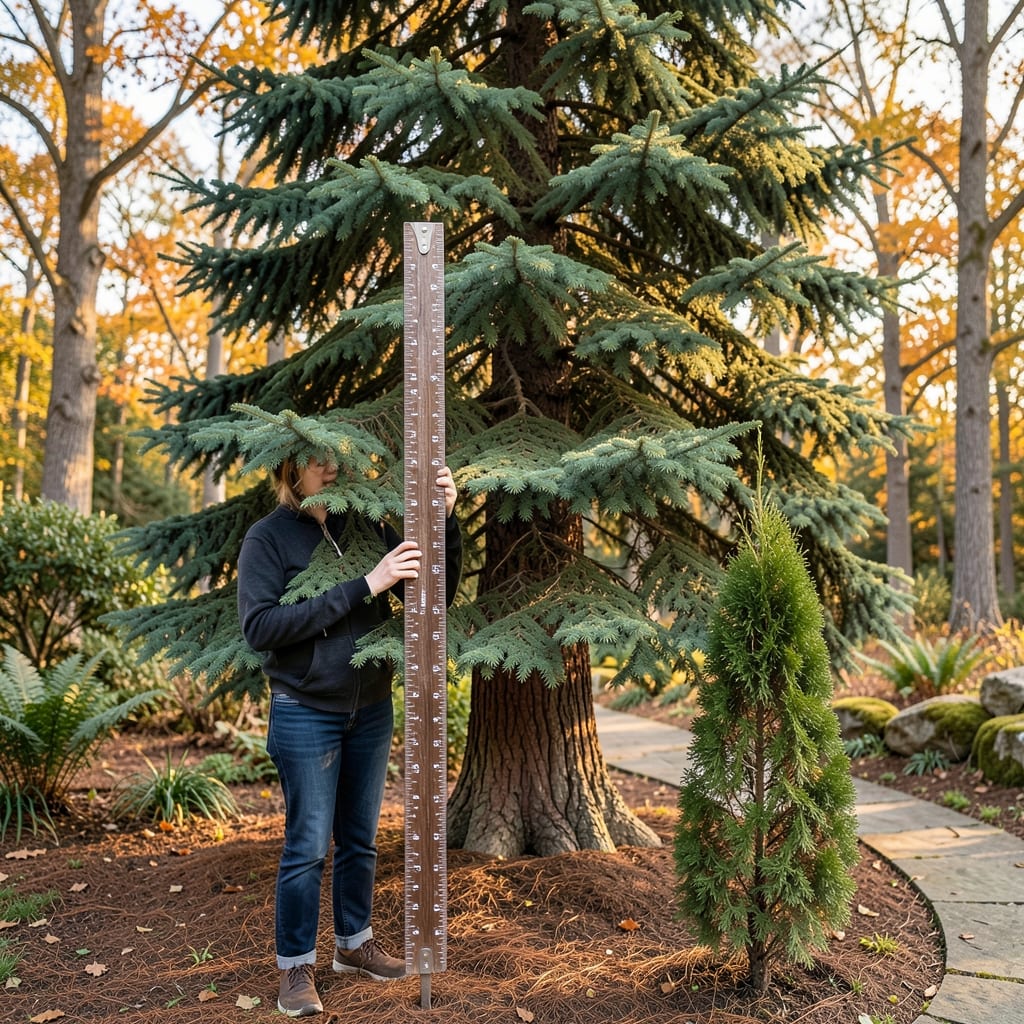
Wondering how tall arborvitaes grow? These evergreen trees can range from a compact 3 feet to towering heights of 60 feet, depending on the variety you choose.
If you're working with limited space, some arborvitae types like 'Teddy Bear' or 'Emerald Green' stay under 15 feet, making them perfect for smaller yards. But if you love a bold statement, varieties like 'Green Giant' can reach 50 feet or more.
Your landscape design depends on which type you pick. I'll show you how to match the perfect arborvitae to your space while keeping maintenance simple. Let's explore the best options for your garden.
Whether you're planting in Zone 6a or just love these 🌲 trees, knowing the mature size helps you plan for years of beautiful greenery. Ready to find your ideal match?


Arborvitae height guide: fastest-growing vs. dwarf varieties
Arborvitaes are stunning evergreens that add year-round beauty to any landscape, but their mature height can vary dramatically. Some varieties reach towering heights of 60 feet, while others stay compact under 10 feet. Understanding these differences helps you choose the perfect fit for your yard, whether you need a towering privacy screen or a small hedge. Let’s break down the fastest-growing and dwarf varieties to help you make an informed decision.
When planning your landscape, consider both space requirements and growth rates. A Green Giant arborvitae can grow 3 feet per year and reach 40-50 feet tall, while a Teddy Bear stays under 3 feet tall. Knowing these differences ensures you select a variety that aligns with your vision and available space. Let’s compare the most popular types to help you visualize their mature sizes.
| Variety | Mature Height | Growth Rate | Best For |
|---|---|---|---|
| Green Giant | 40-50 ft | 3 ft/year | Privacy screens, large yards |
| Emerald Green | 12-15 ft | 1-2 ft/year | Hedges, medium spaces |
| American Plumosa | 10-15 ft | 1-2 ft/year | Small yards, containers |
| Smaragd | 8-12 ft | 1 ft/year | Urban gardens, small hedges |
| Teddy Bear | 3-4 ft | 6-12 in/year | Containers, small spaces |
If you’re working with limited space, dwarf varieties like the Teddy Bear or Smaragd are excellent choices. These compact options grow slowly, making them ideal for containers, small gardens, or urban landscapes. Their controlled height also means less maintenance over time, as they won’t outgrow their intended space. For larger areas, the Green Giant or Emerald Green provide both height and density, perfect for creating natural privacy barriers.
Another key factor to consider is the growth rate. Fast-growing varieties like the Green Giant can add 3 feet per year, while slower-growing dwarf types like the Teddy Bear may only grow 6-12 inches per year. This difference impacts how quickly your arborvitae will reach its mature height and when you’ll need to start pruning or shaping it. For example, a Green Giant planted today could reach its full height in just 15-20 years, while a Smaragd might take 25-30 years to mature.
When selecting an arborvitae, also think about your planting goals. Do you need a tall, narrow tree for privacy, or a wide, bushy shrub for a hedge? The Green Giant grows tall and narrow, making it ideal for vertical spaces, while the Emerald Green has a more rounded shape, perfect for hedges. For smaller spaces, the Teddy Bear offers a prostrate, mounding habit that’s great for ground cover or container gardening. Understanding these differences ensures you pick the right variety for your specific needs.
One common mistake gardeners make is underestimating how much space an arborvitae will need as it matures. Always check the mature height and spread of the variety you’re considering. Planting a Green Giant too close to your house or driveway can lead to overgrowth issues later on. Similarly, a Teddy Bear planted in a small container may outgrow its space within a few years. Planning ahead saves you from costly pruning or removal down the road.
For those who love the look of arborvitaes but have limited space, dwarf varieties are a game-changer. These plants offer all the beauty and benefits of their larger counterparts without the same space requirements. They’re also easier to maintain, as their slower growth means less frequent pruning. If you’re unsure which variety to choose, consider starting with a Smaragd or Emerald Green—both are versatile, low-maintenance, and perfect for smaller landscapes.
If you're dreaming of arborvitaes but worried about space constraints, don't fret! Many compact varieties stay under 15 feet while still offering lush, evergreen beauty. These space-saving options are perfect for small yards, containers, or urban gardens where taller varieties might overwhelm the landscape. Let’s explore the top low-growing arborvitae types that deliver big impact in minimal space. One of the most popular compact choices is the 'Emerald Green' arborvitae, which typically reaches 12-15 feet tall with a 3-4 foot spread. This variety is ideal for hedges or privacy screens in medium-sized spaces. Its columnar shape makes it perfect for narrow planting areas, and it thrives in USDA Zones 3-8, offering year-round greenery with minimal maintenance. For even smaller spaces, the 'Smaragd' variety tops out at just 8-12 feet, making it a favorite for urban gardens and tight hedges. Height: 12-15 ft Spread: 3-4 ft Best For: Hedges, privacy screens Height: 8-12 ft Spread: 3-4 ft Best For: Urban gardens, small hedges Height: 3-4 ft Spread: 4-5 ft Best For: Containers, ground cover The 'Teddy Bear' arborvitae is another fantastic option for those with limited space. This variety grows just 3-4 feet tall but spreads 4-5 feet wide, making it perfect for containers, ground cover, or small foundation plantings. Its prostrate, mounding habit creates a lush, carpet-like effect that’s ideal for filling in gaps or softening edges in your landscape. Plus, it’s incredibly low-maintenance, requiring minimal pruning to stay compact. For Zone 4-8 gardeners, this variety is a game-changer for adding greenery without sacrificing space. When choosing a space-saving arborvitae, consider your planting goals. If you need a tall, narrow hedge, the 'Emerald Green' is your best bet. For a rounded, bushy shrub, the 'Smaragd' offers a more natural look. And if you want something that thrives in containers or small pots, the 'Teddy Bear' is unmatched. Each of these varieties also has specific sunlight needs: most prefer full sun to partial shade, with 6+ hours of sunlight daily for optimal growth. Planting them in well-drained soil and providing consistent moisture will help them stay healthy and compact. One of the biggest advantages of these low-growing arborvitaes is their minimal maintenance. Unlike taller varieties, they don’t require frequent pruning to control height. However, a light trim in late winter or early spring can help maintain their shape and encourage dense growth. Avoid heavy pruning, as it can stress the plant or lead to brown, woody growth. Instead, focus on shaping as needed and keeping the foliage tidy. With proper care, these varieties will provide years of evergreen beauty with minimal effort. For those in small urban spaces, consider planting your arborvitae in large containers. This allows you to move the plant as needed and control its root growth. Use a well-draining potting mix and a container with adequate drainage holes to prevent root rot. Watering becomes slightly more frequent in containers, but the trade-off is the flexibility to place your arborvitae in the perfect spot for sunlight and aesthetics. Just
If you're still unsure which variety to choose, start with the 'Emerald Green' for a versatile, medium-height option or the 'Teddy Bear' for a truly compact solution. Both are disease-resistant, deer-resistant, and adaptable to various soil types, making them low-risk choices for any gardener. With the right variety, you can enjoy the beauty of arborvitaes without worrying about space constraints. Happy planting!Best space-saving arborvitae varieties under 15 feet
Emerald Green
Smaragd
Teddy Bear