
Plants
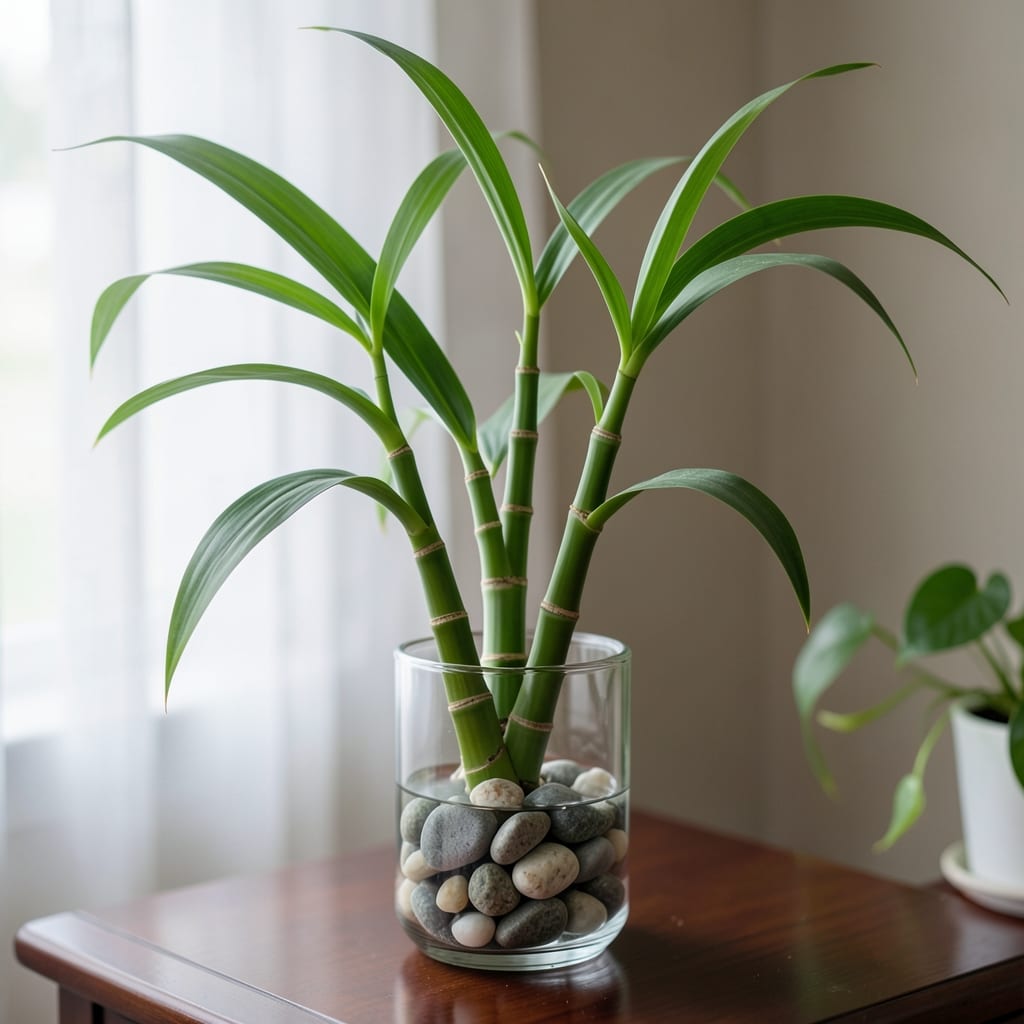
If you're wondering how tall do bamboo palms grow, you're not alone—this tropical favorite can be both a stunning centerpiece and a space hog, depending on the variety. The Bamboo Palm 🌿 (like Chamaedorea seifrizii) typically reaches 6-12 feet at maturity, but dwarf species stay compact, making them perfect for apartments or small gardens.
What’s surprising is how quickly they grow—some varieties can add 2 feet per year with the right care. Whether you’re planning for a cozy indoor plant or an outdoor statement piece, understanding their growth potential helps you choose the perfect spot and avoid future headaches.
In this guide, I’ll break down the height ranges by species, factors that speed up or slow down growth, and even how to control their size if space is tight. You’ll learn which varieties thrive in your 6a zone and how to give them the ideal conditions for healthy growth.
Ready to pick the perfect Bamboo Palm for your home or garden? Let’s dive into the details so you can enjoy their lush beauty without the surprises.


Bamboo palm height by species: mature size ranges for popular varieties
The first thing you’ll notice when researching bamboo palms is how much their mature heights vary by species. Some stay small enough for your coffee table, while others reach for the ceiling like a tropical giant. The key is choosing the right variety for your space—whether that’s a sunny corner in your living room or a shady garden nook.
For example, the Parlor Palm (Chamaedorea elegans) is the tiny cousin of the group, maxing out at just 3-4 feet tall. Meanwhile, the Bamboo Palm (Chamaedorea seifrizii), often sold in grocery stores, can tower up to 12 feet if given the right conditions. Knowing these differences helps you avoid buying a plant that will outgrow its welcome.
Here’s a quick comparison of the most popular bamboo palm species and their mature heights:
If you’re in USDA Zone 6a, most bamboo palms will thrive outdoors in summer but need protection from frost. The Parlor Palm and Metallic Palm are your best bets for indoor growing, while the Bamboo Palm and Thatched Palm can handle outdoor conditions if you bring them inside before temperatures drop.
Pro tip: Check the leaf fronds of your bamboo palm—their size gives you a hint about how tall the plant will get. Larger fronds usually mean faster vertical growth. For example, the Bamboo Palm has broad fronds that can span 2-3 feet wide, signaling its potential to reach skyward.
For those with limited space, consider the Cascade Palm. Its arching fronds make it perfect for hanging baskets, and it stays under 8 feet tall while adding drama to shelves or corners. It’s also one of the few bamboo palms that tolerates lower humidity, making it ideal for dry indoor climates.
Before you buy, measure the space where you plan to place your bamboo palm. A 6-foot-tall plant needs at least 3 feet of clearance above it for proper airflow and light exposure. If your ceiling is lower than that, opt for a dwarf variety or plan to prune it regularly.
Remember, the height of your bamboo palm isn’t set in stone—proper care can encourage faster or slower growth. In the next section, I’ll show you how to influence their height naturally, so you can keep them at your ideal size without harsh pruning.
How fast do bamboo palms grow? Growth rates by age and environmental factors
Bamboo palms don’t just grow—they sprout with tropical enthusiasm, especially when given the right conditions. On average, these palms grow 1-2 feet per year in their juvenile phase, with some varieties like Chamaedorea seifrizii reaching 3-4 feet in just 2 years. The key? Consistent care and the perfect balance of light, humidity, and soil.
Once they hit maturity (typically 3-5 years old), their growth slows to 6-12 inches annually, focusing more on filling out their fronds and strengthening their trunks. This slower phase is where their elegant, mature stature truly shines, making them a long-term investment for your garden or home.
🌱
- 🌱 Year 1: 1-2 ft (juvenile spurt)
- 🌿 Year 2: 3-4 ft (rapid frond development)
- 🌳 Year 3-5: 5-7 ft (maturing trunk)
- 🏆 Year 5+: 6-12 ft (full height potential)
Your bamboo palm’s growth rate depends heavily on its environmental conditions. For example, Chamaedorea metallica thrives in high humidity (60%+) and can grow 20% faster than in dry air. Meanwhile, C. elegans tolerates slightly drier conditions but may grow more slowly unless you mimic its understory habitat with filtered light.
One common misconception is that bamboo palms grow aggressively like bamboo. In reality, they’re non-invasive clumpers—their "bamboo" name is more about their tropical, grass-like appearance than their growth habit. Proper container size (at least 12-18 inches deep) and well-draining soil prevent root-bound stress, which can stunt growth.
To accelerate growth naturally, focus on these three factors: bright indirect light (like an east-facing window), consistent moisture (water when the top 1-2 inches of soil dry), and monthly feeding with a balanced 10-10-10 fertilizer during spring and summer. Avoid overwatering—soggy soil leads to root rot, which halts growth entirely.
If you’re growing bamboo palms outdoors in USDA Zone 6a, plant them in spring after the last frost (around April 15) for a head start. Mulch around the base to retain moisture and protect roots from temperature swings, which can slow growth during hot summers or cold snaps. With the right care, you’ll see your bamboo palm reach its full height potential in just a few years—without the space worries!