
Plants
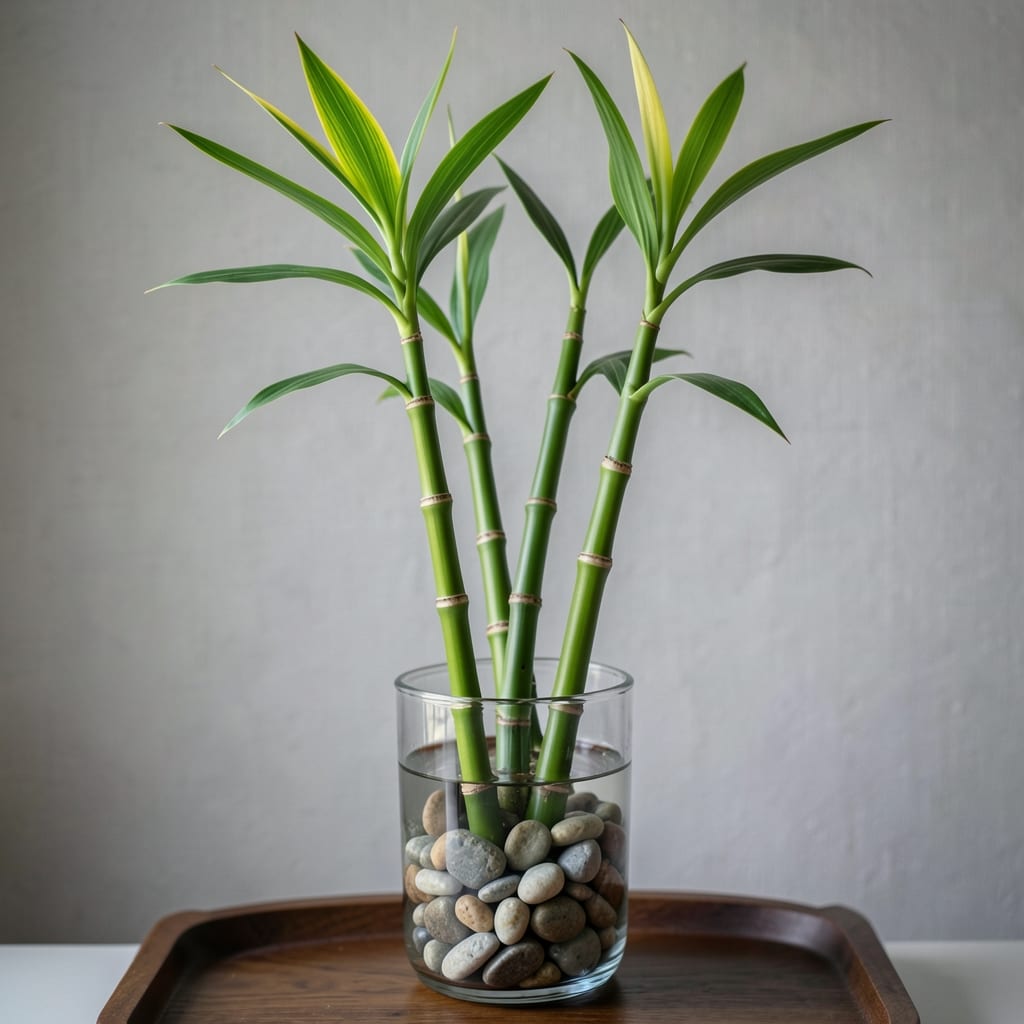
If you're wondering "how tall do bamboo plants grow", the answer might surprise you—some varieties shoot up like skyscrapers, while others stay as compact as a potted plant. 🌿 Whether you're eyeing a dramatic 100-foot giant or a dainty 3-foot dwarf, bamboo's height range is one of its most fascinating traits.
The key to choosing the right bamboo lies in understanding its growth habits. Running bamboo, like Phyllostachys, can spread aggressively and reach towering heights, while clumping types, such as Fargesia, stay neatly contained. Your climate and garden space play a huge role in how fast and tall your bamboo will grow.
In this guide, I’ll break down the fastest-growing species, share space-saving hacks for small gardens, and explain how to control bamboo’s spread—so you can enjoy its beauty without the worry. Ready to find the perfect fit for your yard?
From dwarf varieties that thrive in containers to massive giants that dominate landscapes, bamboo’s height potential is as varied as the species themselves. Let’s dive into the details so you can make the best choice for your green space.


Bamboo height guide: fastest-growing species and their maximum heights
Bamboo’s height is one of its most dramatic features, ranging from 3-foot dwarf varieties to 100-foot giants that rival trees. 🌳 The species you choose determines not just how tall your bamboo will grow, but also how aggressively it spreads. For example, Phyllostachys species—like the towering Phyllostachys bambusoides—can reach 60-100 feet in ideal conditions, while Fargesia stays under 10 feet and thrives in containers.
Your climate plays a huge role in growth too. Bamboo in USDA Zones 6-10 typically grows faster and taller, thanks to longer growing seasons. In cooler zones, growth may slow, but some cold-hardy varieties like Phyllostachys aureosulcata (yellow grove bamboo) still reach 30-40 feet. If you’re in a small space, dwarf varieties like Bambusa multiplex 'Tiny Bull' (just 3-5 feet) are perfect for patios or balconies.
Here’s a quick breakdown of bamboo’s height spectrum—from sky-scraping giants to pint-sized beauties:
The fastest-growing bamboo species, like Phyllostachys bambusoides, can add 1–2 feet per year under ideal conditions. In contrast, dwarf varieties like Bambusa multiplex grow just 3–6 inches annually, making them ideal for small spaces. If you’re planning a privacy screen, Phyllostachys species will deliver results in 5–10 years, while clumping types like Fargesia take longer but require less maintenance.
For tropical climates, species like Dendrocalamus asper thrive and can reach 40–60 feet in just a few years. In cooler regions, Phyllostachys nigra (black bamboo) grows 20–30 feet and handles frost better than most. Always check your USDA zone to ensure the species you choose will reach its full height potential in your area.
One common misconception is that all bamboo grows aggressively. In reality, clumping bamboo (like Fargesia) forms tight clusters and rarely spreads beyond its starting point, while running bamboo (like Phyllostachys) sends out underground runners that can invade lawns and gardens if unchecked. If you’re worried about spread, opt for clumping varieties or use root barriers for running types.
Pro tip: If you love the look of tall bamboo but lack space, consider container gardening. Many dwarf and semi-dwarf varieties thrive in large pots, allowing you to enjoy their height without the spread. Just ensure the container is at least 18–24 inches wide and has drainage holes to prevent root rot.
For those chasing a privacy screen, a mix of Phyllostachys and Bambusa species can create a lush, fast-growing barrier. Plant 3–5 feet apart to encourage dense growth, and expect full coverage in 3–5 years. Pair taller varieties with shorter ones for a layered effect that softens the look of a dense hedge.
Remember, bamboo’s height isn’t just about aesthetics—it’s also about wind resistance. Taller species may need staking or support in windy areas to prevent damage. If you’re in a high-wind zone
Bamboo height guide: fastest-growing species and their maximum heights
When asking how tall do bamboo plants grow, the answer varies wildly—from delicate 3-foot dwarfs to 100-foot giants that dwarf trees. 🌿 The fastest-growing species, like Phyllostachys bambusoides, can shoot up 3 feet per year, while slower varieties like Fargesia denudata mature at just 6 feet. Your choice depends on space, climate, and whether you want a dramatic focal point or a contained accent plant.
Bamboo’s height potential is directly tied to its growth habit. Running bamboo spreads aggressively and often reaches towering heights, while clumping bamboo stays compact. For example, Bambusa vulgaris (giant bamboo) can exceed 60 feet in ideal conditions, but Bambusa multiplex (thorny bamboo) tops out at 20 feet. Let’s explore the extremes so you can pick the perfect fit for your garden.
If you’re in a cooler climate (USDA zones 5-7), opt for hardy species like Fargesia or Sasa veitchii, which thrive in partial shade and stay under 10 feet. In warmer zones (8-11), tropical varieties like Bambusa or Dendrocalamus flourish with full sun and can reach 80 feet or more. Always check your local frost dates—bamboo is tender in cold snaps and may need winter protection.
For container gardening, dwarf varieties like Bambusa multiplex or Bambusa oldhamii are ideal—they stay under 10 feet and can thrive in 15-gallon pots for years. Just ensure your container is at least 2 feet wider than the plant’s mature spread to prevent root binding. 🪴
Pro tip: Running bamboo (like Phyllostachys) grows fastest but needs root barriers to contain its spread. Clumping bamboo (like Fargesia) is slower-growing but stays neatly in place, making it perfect for small spaces. Always research whether a species is running or clumping before planting!
Remember, bamboo’s height isn’t just about genetics—soil quality, water access, and sunlight play huge roles. A Phyllostachys in poor soil might only reach 30 feet, while the same species in rich, moist conditions could double that height. Start with well-draining soil and balanced fertilizer (10-10-10) to encourage healthy growth.