
Size
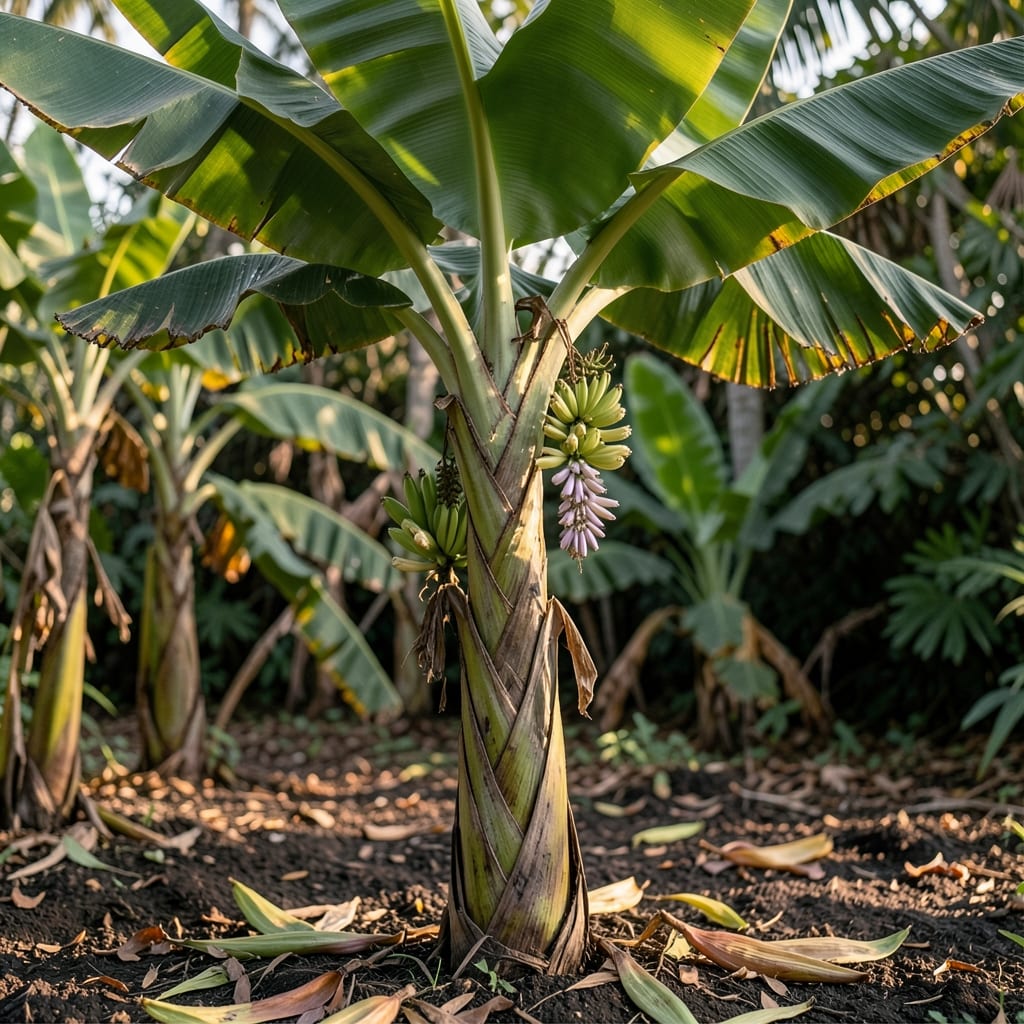
Curious about how tall do banana plants grow before they start producing those sweet, creamy fruits? The answer might surprise you—some varieties stretch taller than a basketball hoop, while others stay manageable for containers. Whether you're dreaming of a lush tropical backyard or just want a few 🍌 plants on your patio, understanding their growth habits is the key to success.
Banana plants aren’t trees—they’re giant herbs with a single growing cycle that lasts about a year. Once they fruit, they die, but don’t worry: new shoots sprout from the base, ready to take over. This means your banana plant’s height isn’t just about genetics; it’s also about where you live and how you care for it. In tropical zones like 10-12, they can reach 25 feet or more, while indoors or in cooler climates, they’ll stay shorter but still impressive.
If you’re working with limited space, dwarf varieties like the Dwarf Cavendish are perfect—they top out around 10–15 feet, making them ideal for containers or small gardens. But even these giants start small, so you’ll have time to plan. The secret to managing their height? Choosing the right variety for your space and giving them the care they crave—like plenty of water, sunlight, and the occasional nutrient boost.
Ready to grow your own? I’ll walk you through the variety-specific heights, how to support their growth, and even how to keep them in check—whether you’re aiming for a backyard jungle or just a few 🍌 plants on your balcony. Let’s get started!

Banana plant height by variety: dwarf to giant species compared
Banana plants aren’t one-size-fits-all—their height depends entirely on the variety you choose. Some stay compact enough for containers, while others become towering backyard features. The key difference lies in their genetic growth habits: dwarf varieties top out around 10–15 feet, while giants like the Red Dacca can reach 25–30 feet or more. Even within categories, heights vary based on growing conditions, so always check your local nursery’s notes for exact expectations.
For example, the Dwarf Cavendish, a popular grocery store variety, typically grows 10–15 feet tall and produces fruit within 12–18 months. Meanwhile, the Lady Finger banana, known for its slender fruits, reaches 12–18 feet and thrives in warmer climates. These differences matter if you’re planning your garden layout—some varieties need 10+ feet of clearance for their broad leaves and fruit clusters.
Here’s the catch: banana plants aren’t trees, but their pseudostems (thick, layered stems) can feel like one. The taller the variety, the more support you’ll need—whether that’s staking, trellising, or simply giving them space to sprawl. In tropical zones (USDA 10–12), outdoor plants grow fastest, while indoor varieties stay shorter but still need 6+ feet of ceiling height to avoid leaf damage.
If you’re growing bananas in containers, dwarf or semi-dwarf varieties are your best bet. The Bitter banana (also called Fe'i) stays around 6–10 feet tall, making it ideal for large pots. Even these smaller varieties will need 5-gallon containers minimum to avoid root bind, so plan accordingly. Remember, banana plants are herbaceous, meaning their stems are made of tightly packed leaves—not wood—so they’re flexible but need protection from strong winds.
The growth habit of a banana plant—whether it clumps (producing multiple stems from the base) or suckles (sending up new shoots)—also affects its perceived height. Clumping varieties like the Dwarf Cavendish create a bushy appearance, while suckering types like the Lady Finger send up new plants that can spread outward. This matters if you’re trying to fit bananas into a small space: clumpers take up less horizontal room, while suckers may need more.
One common misconception is that banana plants grow indefinitely. In reality, most varieties follow a single-cycle lifecycle: they grow, flower, fruit, and then die—usually within 1–2 years of planting. However, new shoots emerge from the base, allowing you to harvest fruit year after year without replanting. This means your banana "tree" will keep producing new stems, but each individual plant will only fruit once before dying back.
If you’re growing bananas in cooler climates (USDA zones 9 or below), expect them to stay shorter—often 50–70% of their outdoor height. Indoor varieties like the Dwarf Cavendish can still reach 6–10 feet with proper care, but they’ll need bright, indirect light and high humidity to thrive. Without these, their growth slows dramatically, and they may never reach their full potential height.
Pro tip: If you’re unsure about a variety’s height, ask your nursery for mature plant dimensions and check reviews from local growers. Some varieties, like the Blue Java banana, can surprise you with their 15–20 foot height even in containers—so always plan for the worst-case scenario when choosing a spot. With the right variety and care, your banana plant could become the tropical centerpiece of your garden—or stay compact enough to fit on your patio.
How growth cycles affect banana plant height and lifespan
Banana plants follow a fascinating one-time growth cycle, which directly impacts their height and productivity. Unlike perennial trees, most banana varieties grow rapidly for about 12–18 months before producing fruit—and then they die. This single-cycle lifecycle means your plant’s height is tied to its age and fruiting stage, with dramatic growth spurts as it matures.
The vegetative stage (first 6–12 months) is when your banana plant focuses on leaf and stem growth, reaching its maximum height. During this phase, you’ll see 3–5 feet of growth per year in ideal conditions. Once flowering begins, the plant shifts energy to fruit production, slowing its vertical growth but adding bulk to the pseudostem and leaves.
Fruiting height varies by variety but typically occurs when the plant reaches 10–20 feet tall. For example, a Dwarf Cavendish might fruit at 10–15 feet, while a Red Dacca can tower at 25–30 feet before producing its massive, red-skinned bananas. The taller the variety, the longer it takes to reach fruiting height—sometimes up to 2 years in cooler climates.
After fruiting, the mother plant dies, but don’t mourn—it leaves behind suckers (baby plants) at the base. These suckers inherit the same growth potential, meaning your banana "tree" is technically a perennial clump, not a single tree. In tropical zones (USDA 10–12), this cycle repeats year-round, while in cooler areas, growth slows or halts in winter, delaying height gains.
Climate plays a huge role in how tall your banana plant grows. In tropical regions, plants grow aggressively year-round, reaching mature heights faster. But in temperate zones, growth stalls below 50°F (10°C), and plants may only reach 6–10 feet indoors or in containers. Even in warm areas, winter dormancy can reduce height gains by 30–50% compared to tropical growth.
To maximize height (and fruit production), focus on consistent care during the growing season: deep watering, balanced fertilization, and full sun exposure. Prune dead leaves to redirect energy to new growth, but avoid cutting healthy foliage—it’s the plant’s ticket to reaching its full height potential. In cooler climates, overwintering suckers indoors can help maintain growth momentum.
Pro tip: If you’re growing bananas in containers, expect slightly shorter heights due to root restriction. A 15–20 gallon pot can support a Dwarf Cavendish up to 10 feet, but standard varieties may max out at 12–15 feet. Always choose a pot with drainage holes to prevent root rot, which can stunt growth entirely.