Trees
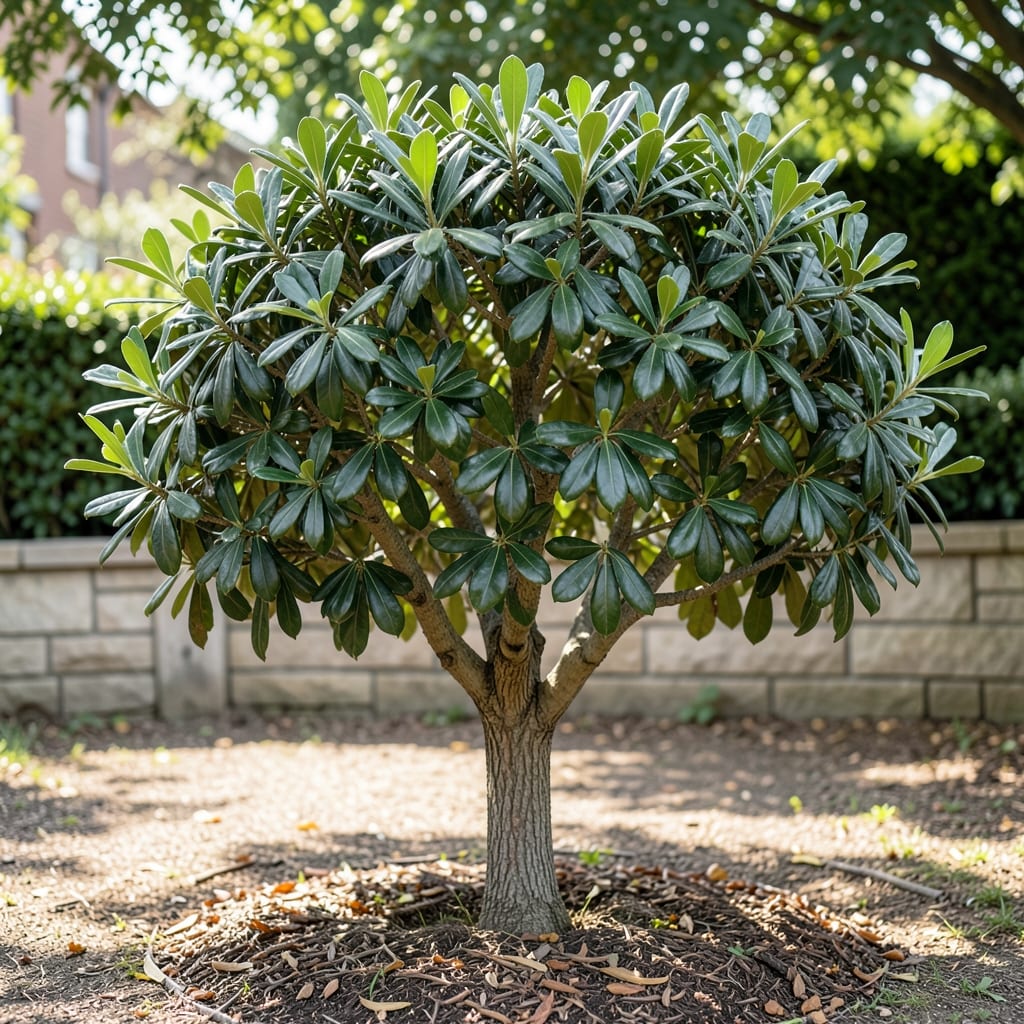
If you're planning to grow a Bay Laurel Tree 🌿, one of the first questions you'll ask is how tall do bay leaf trees grow—because that determines whether you're planting a kitchen staple or a future backyard giant. The answer isn't one-size-fits-all, though. Some varieties stay compact enough for containers, while others can reach heights that dwarf even the tallest two-story homes.
For most gardeners, the standard Sweet Bay Laurel (Laurus nobilis) is the go-to choice, and it typically matures between 10 to 50 feet tall—though with pruning, you can keep it much smaller. Dwarf varieties, on the other hand, cap out around 8 to 12 feet, making them perfect for patios or indoor growing. The key difference? It’s all in the variety and how you shape it.
Growth habits play a huge role too. Some Bay Laurel Trees grow upright like sentinels, while others spread wider, almost like a bush. Sunlight, soil, and even your local climate can push a tree toward its upper height limits—or keep it on the shorter side. If you're working with limited space, pruning isn’t just an option; it’s the game-changer that lets you control the size while keeping those aromatic leaves coming.
Ready to make an informed choice? I’ll walk you through the exact height ranges by variety, how fast they grow, and the simplest pruning tricks to keep your Bay Laurel Tree at your ideal height—whether that’s a 3-foot countertop buddy or a 20-foot backyard centerpiece. Let’s get started.


Bay leaf tree height by variety: from dwarf to giant sizes
Understanding how tall do bay leaf trees grow starts with recognizing that not all Bay Laurel Trees are created equal. The Sweet Bay Laurel (Laurus nobilis), the classic variety used in kitchens worldwide, typically reaches 20 to 50 feet at maturity—taller than most homes! But if you’re dreaming of a compact bay tree for your patio or indoor space, dwarf varieties like ‘Angustifolia’ or ‘Undulata’ stay between 6 and 12 feet tall. These differences matter for everything from container gardening to landscape planning.
The Texas Bay Laurel (Acer negundo) and California Bay Laurel (Umbellularia californica) also vary wildly. The Texas variety can hit 15 to 30 feet, while the California Bay Laurel often tops out around 30 to 60 feet—making it one of the tallest bay leaf tree species. Even within the same variety, growth habits differ: some grow upright and columnar, while others spread wider, almost like a bush. This affects not just height but also how much space you’ll need around your tree.
For container gardening, dwarf varieties are your best bet. A 5-gallon pot can comfortably hold a 3-foot-tall bay tree for several years, while standard varieties will outgrow containers quickly. If you’re planting outdoors, spacing matters too: give a 20-foot-tall tree at least 15 feet of clearance from structures, power lines, and other plants. Poor spacing leads to overcrowding, which stunts growth and invites pests.
Climate plays a surprising role in height too. Bay Laurel Trees in USDA Zones 7-10 thrive and reach their full potential, but in cooler zones like Zone 6, growth slows significantly. In these areas, expect 10 to 20 feet max unless you provide winter protection, like wrapping the trunk or planting in a sheltered spot. Even a few degrees of warmth can push a tree toward its upper height limits.
Now, let’s talk about the visual differences between varieties. Some, like the ‘Aurea’ variety, grow slower but develop striking golden-yellow leaves, while others, like the ‘Saratoga’, have wavy-edged foliage and stay more compact. These traits don’t just affect aesthetics—they also influence how quickly a tree grows and how much pruning it’ll need to stay manageable.
Here’s the key takeaway: if you want a small bay leaf tree, choose a dwarf variety or prune aggressively. If you’re okay with a statement-sized tree, the standard Sweet Bay Laurel will deliver. The choice boils down to your space, climate, and how much maintenance you’re willing to invest. Let’s dive into the exact height ranges and what they mean for your garden.
When selecting a bay leaf tree, consider not just height but also growth rate. Some varieties, like the Texas Bay Laurel, can grow 3 feet per year under ideal conditions, while others, like the ‘Aurea’, take their time. If you’re impatient, faster-growing types will reach your desired height quicker—but they’ll also need more frequent pruning to control their size. For example, a 10-foot-tall tree in Year 3 could easily become 15 feet by Year 4 if left unchecked.
For indoor bay trees, height becomes even more critical. A 6-foot ceiling won’t accommodate a standard Sweet Bay Laurel, but a dwarf variety in a 15-gallon pot can thrive for years. Just ensure your indoor tree gets at least 4 hours of sunlight daily—otherwise, it’ll grow leggy and weak. Place it near a south-facing window or supplement with a grow light to keep it healthy and compact.
One final tip: if you’re unsure about a tree’s potential size, start with a smaller variety and prune
How fast do bay leaf trees grow? Growth rates and time to maturity
If you’re wondering how fast do bay leaf trees grow, the answer depends entirely on the variety and growing conditions. The Texas Bay Laurel, for example, can shoot up 3 feet per year in ideal conditions, while the Sweet Bay Laurel averages 1 to 2 feet annually. Dwarf varieties like ‘Angustifolia’ grow even slower—often just 6 to 12 inches per year—making them perfect for container gardening or small spaces where patience is key.
Growth speed isn’t just about the variety, though. Sunlight exposure is the biggest factor. A bay leaf tree basking in 6+ hours of full sun daily will outpace one growing in partial shade, which may only gain 6 to 12 inches per year. Poor soil drainage or nutrient deficiencies can also slow growth dramatically, so always plant in well-draining, slightly acidic soil (pH 5.0–6.5) to encourage healthy development.
Here’s what you can expect in terms of time to maturity:
- 1 Year 1: 3–5 feet (fastest growth in first year)
- 2 Year 2: 6–10 feet (growth slows slightly)
- 3 Year 3: 10–15 feet (approaching maturity)
- 4+ Mature Height: 10–50 feet (varies by variety)
Pruning plays a huge role in controlling growth speed. If you trim back 1/3 of the new growth in late spring, you’ll encourage a bushier, slower-growing shape while keeping the tree more manageable. Without pruning, a 10-foot tree in Year 3 could easily become 15 feet by Year 4—or even taller if conditions are ideal. Regular pruning also improves airflow, reducing the risk of fungal diseases that can stunt growth.
Climate is another wild card. Bay leaf trees in USDA Zones 7–10 grow fastest, while those in Zone 6 or cooler may only gain 6 to 12 inches per year due to shorter growing seasons. If you’re in a cooler zone, consider planting in a sheltered microclimate or using a greenhouse for winter protection to give your tree a growth boost.
For indoor bay trees, growth rates slow dramatically due to limited sunlight. Expect only 6 to 12 inches per year unless you supplement with a grow light. Place your tree near a south-facing window and rotate it weekly to ensure even growth. Without enough light, leaves will turn pale and leggy, signaling it’s time to move it outdoors (if possible) or invest in artificial lighting.
Pro tip: if you’re growing bay leaf trees for culinary use, patience pays off. The most aromatic leaves come from mature trees (3+ years old), so don’t rush pruning—let your tree establish itself first. Once mature, you can harvest leaves year-round, but spring and summer yields are typically the most flavorful.