
How To
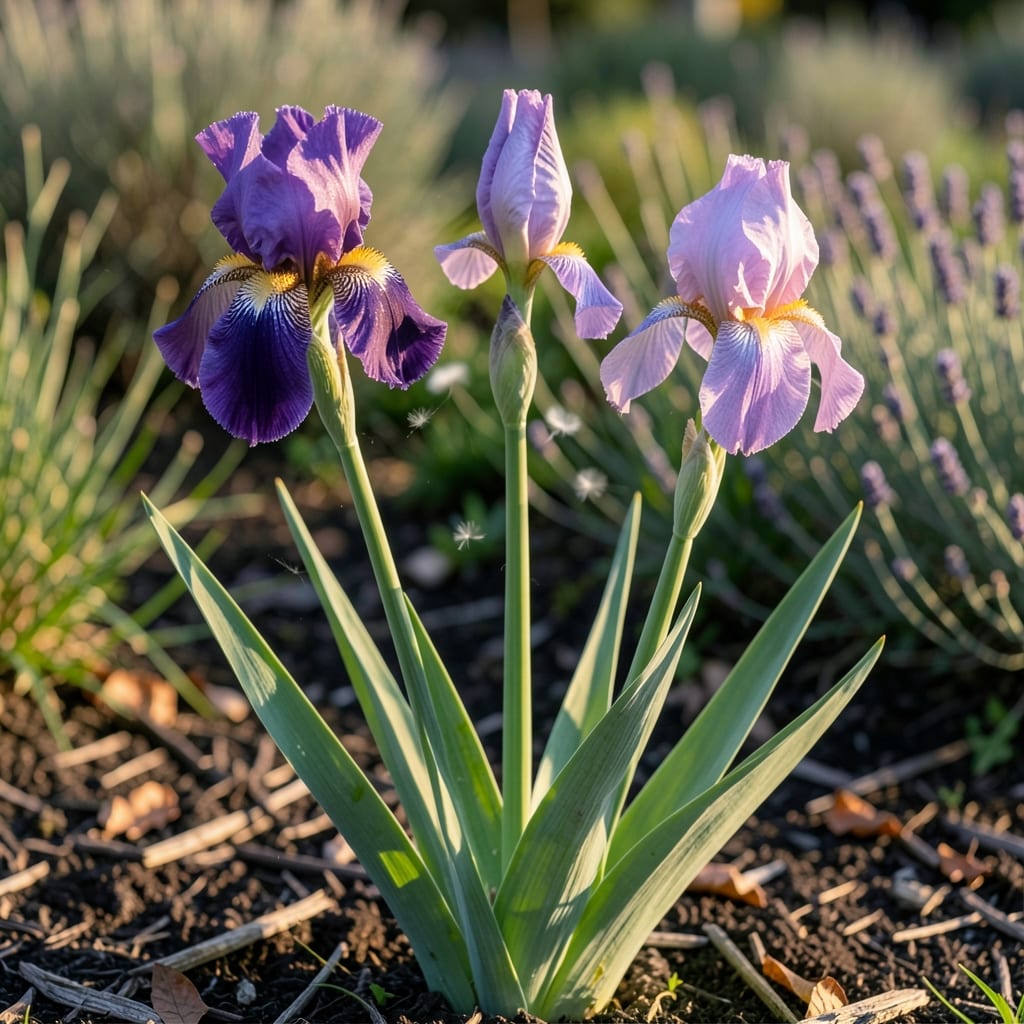
If you’re planning your garden and wondering how tall do bearded irises grow, the answer might surprise you—these 🌸 stunning blooms can range from just 1 foot to over 4 feet tall, depending on the variety and growing conditions.
Whether you’re designing a border, filling a container, or adding height to your flowerbeds, knowing the height range of bearded irises is key. Some varieties stay compact, perfect for small spaces, while others reach impressive heights, making them standout focal points in any landscape.
In this guide, I’ll break down the exact height ranges by variety—from dwarf types that stay under 2 feet to standard varieties that can tower up to 4 feet. You’ll also discover how sunlight, soil, and seasonal changes can influence their growth, so you can plan your garden with confidence.
Ready to find the perfect bearded iris for your space? Let’s dive into the details so you can choose the right height for your garden design—whether you want drama or elegance in every season.


Bearded iris height by variety: tall, intermediate, and dwarf types
When planning your garden, understanding bearded iris height by variety is crucial. These stunning perennials fall into three main categories: dwarf, intermediate, and standard types, each with distinct height ranges that influence garden design. Dwarf varieties typically stay between 1 to 2 feet, making them ideal for containers or small spaces, while standard varieties can reach 3 to 4 feet, perfect for adding vertical interest to borders.
Choosing the right variety depends on your garden’s layout and aesthetic goals. For example, ‘Little Star’ is a popular dwarf variety that rarely exceeds 18 inches, while ‘George’ can grow up to 4 feet, creating a dramatic focal point. Intermediate varieties, like ‘Blue Flag’, usually fall between 2 to 3 feet, offering a balanced height for mixed borders.
Here’s a quick comparison to help you visualize the differences:
The height of your bearded iris also depends on its age and growing conditions. Younger plants may start smaller, but with proper care—like full sun exposure and well-draining soil—they’ll reach their mature height within 2–3 years. For example, a standard variety planted in poor soil might only grow to 2.5 feet, while one in rich, sunny conditions could easily hit 4 feet.
If you’re designing a layered garden, consider pairing tall varieties like ‘George’ at the back with dwarf types like ‘Little Star’ in the front. This creates depth and visual interest while ensuring every bloom is visible. For container gardens, stick to dwarf or intermediate varieties to avoid overcrowding and ensure stability.
Another factor to consider is the bloom stalk height, which can differ from the plant’s overall foliage height. Some varieties produce taller flower stalks than their leaves, adding extra height to your design. For instance, ‘Adoration’ has 3-foot foliage but can produce 4-foot flower stalks, making it a standout choice for vertical accents.
For gardeners with limited space, dwarf bearded irises are a game-changer. They thrive in small pots or window boxes and still deliver vibrant blooms. Just ensure they get at least 6 hours of sunlight daily, as this is non-negotiable for their growth. Without enough light, even dwarf varieties may grow leggy or fail to bloom.
When selecting varieties, always check the cultivar description for height specifics. Nurseries often label plants with their mature height, but remember that real-world growth can vary based on your climate and soil quality. For example, irises in cooler climates may grow slightly taller than those in hot, dry regions.
Pro tip: If you love the look of tall irises but have limited space, consider staking or trellising to support their height without taking up extra garden real estate. This works especially well for standard varieties, allowing you to enjoy their dramatic blooms even in smaller gardens.
Seasonal height changes: how bearded irises grow from spring to fall
Bearded irises don’t grow at the same rate year-round—their height fluctuates dramatically based on the season. Understanding these changes helps you plan spacing, support, and even blooming expectations. In early spring, you’ll see just a few inches of new growth emerging from the rhizomes, but by late spring, those same stems can surge to their full height.
The most rapid growth occurs in spring and early summer, when bearded irises focus energy on producing their iconic blooming stems. After flowering, many varieties enter a period of dormancy, where growth slows significantly. This seasonal shift affects everything from pruning timing to watering needs, so let’s break down what to expect each season.
Here’s how bearded iris height evolves throughout the year, along with practical tips to support their growth at every stage:
Notice how the height drops dramatically in summer? This is when bearded irises shift focus from vertical growth to root and rhizome expansion. If you’re planning a border or container garden, account for this seasonal change—what looks compact in summer may bloom into towering stems by spring!
For taller varieties, consider adding support stakes in early spring before stems elongate. For dwarf types, you can tuck them into crevices or rock gardens where their compact height shines. The key is adapting your care routine to match their seasonal growth patterns.
Pro tip: If your irises seem too leggy in spring, it’s often a sign of over-fertilizing in fall or poor sunlight. Adjust your care routine based on these seasonal cues to keep your plants thriving year after year.