Trees
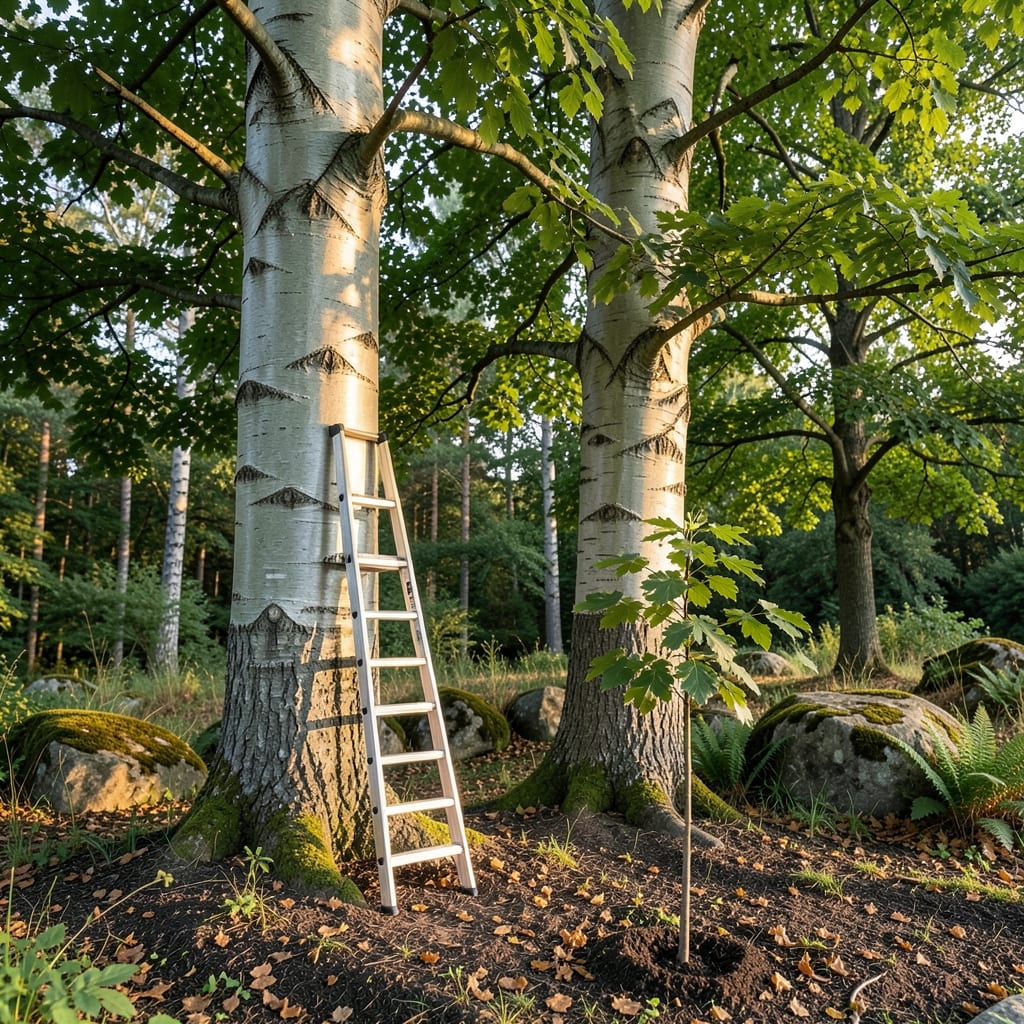
If you're planning to add a Beech Tree 🌳 to your yard, knowing how tall these majestic trees grow is the first step to making the right choice. Some varieties reach towering heights of 80 feet, while others stay compact enough for smaller spaces—so your decision depends entirely on the look you want and the room you have.
Not all beech trees follow the same growth path. The American beech, for example, typically grows between 60 and 80 feet, while European beech trees often max out around 50 feet. Even within the same species, factors like soil quality, sunlight exposure, and pruning habits can influence how tall your tree becomes over time.
What’s fascinating is how quickly these trees grow in their early years. In just 5 years, a beech tree can shoot up to 20 feet, making them a fast-growing option for shade and beauty. But if you’re working with limited space, dwarf varieties like 'Crimson King' stay under 25 feet, proving that big impact doesn’t always mean big height.
Whether you're dreaming of a grand backyard centerpiece or a smaller statement tree, understanding these height variations will help you pick the perfect Beech Tree 🌳 for your landscape. Let’s break down the specifics so you can make an informed decision.

Beech tree height ranges by species: from dwarfs to giants
Beech trees (Fagus genus) are known for their stunning foliage and sturdy growth, but their mature heights can vary dramatically depending on the species. If you're planning your landscape, knowing these differences is essential. The American beech (Fagus grandifolia) typically reaches 60 to 80 feet at maturity, while the European beech (Fagus sylvatica) usually tops out around 50 to 70 feet. Even within these ranges, environmental factors like soil quality and climate can push heights higher or keep them more compact.
For those with limited space, dwarf varieties like 'Crimson King' or 'Purpurea' offer the beauty of beech trees without the towering height. These cultivars often stay between 15 to 25 feet, making them perfect for smaller yards or urban gardens. Meanwhile, standard varieties like 'Asplenifolia' can grow up to 80 feet, providing dramatic shade and structure for large properties.
🌳 Climate and soil play a huge role in determining how tall your beech tree will grow. Trees planted in rich, well-drained soil with full sun exposure tend to grow faster and reach their maximum height potential. In contrast, poor soil conditions or shade can stunt growth, resulting in a shorter, bushier tree. This is why it's crucial to choose the right species for your specific growing conditions.
Let’s compare the most popular beech tree species and their typical height ranges to help you make an informed decision for your landscape.
| Species | Mature Height | Growth Rate | Best For |
|---|---|---|---|
| American Beech (Fagus grandifolia) | 60–80 ft | Moderate (1–2 ft/year) | Large yards, shade trees |
| European Beech (Fagus sylvatica) | 50–70 ft | Slow to moderate (0.5–1.5 ft/year) | Woodland gardens, hedges |
| Copper Beech (Fagus sylvatica 'Purpurea') | 40–60 ft | Moderate (1 ft/year) | Colorful landscapes, focal points |
| Dwarf Beech ('Crimson King') | 15–25 ft | Slow (0.5 ft/year) | Small yards, containers |
| Weeping Beech ('Pendula') | 30–50 ft | Moderate (1–1.5 ft/year) | Park-like settings, dramatic effect |
Understanding these height ranges helps you visualize how each species will fit into your landscape. For example, the American beech is ideal if you need a towering shade tree, while the dwarf varieties are perfect for adding color and structure to smaller spaces without overwhelming your yard. Always consider the mature height and how it will interact with nearby structures, power lines, and other plants.
Another critical factor is the spread of the tree. While height is often the focus, beech trees also develop a broad canopy. The American beech, for instance, can spread up to 50 feet wide, so you’ll need ample space to accommodate its full growth. This is why planning for both height and spread is essential when selecting a beech tree for your property.
If you're unsure which species to choose, consider your local climate. Beech trees thrive in USDA zones 4–9, but their growth rates can vary based on temperature and rainfall. In warmer climates, beech trees may grow faster and reach their maximum height sooner, while cooler regions might see slower growth. Always research your specific growing conditions to ensure the best results.
Finally, remember that pruning and care can influence how tall your beech tree grows. Regular pruning can encourage a fuller, bushier shape while controlling height. However, beech trees are sensitive to over-pruning, so it’s best to focus on structural pruning during the dormant season to maintain their health and shape.
With this information, you’re well on your way to selecting the perfect beech tree for your landscape—whether you’re aiming for a soaring giant or a compact beauty. 🌿
How fast do beech trees grow? Growth rate and height timeline
If you're wondering how quickly beech trees reach their impressive heights, the answer depends on the species and growing conditions. Most beech trees experience their fastest growth during their first 10 years, with some varieties adding 2 to 3 feet per year during this period. For example, an American beech can grow from a 2-foot sapling to a 20-foot tree in just 5 years under ideal conditions.
However, growth slows significantly after the first decade. By 20 years old, most beech trees will have reached about 30 to 50 feet, depending on the species. The European beech, for instance, tends to grow more slowly, averaging only 0.5 to 1.5 feet per year once it matures. This means it may take 50 years or more to reach its full height of 50 to 70 feet.
🌱 Understanding these growth phases helps you plan for long-term care. Young beech trees need consistent watering and nutrients to support rapid vertical growth, while mature trees focus more on canopy expansion than height increases. Proper soil preparation and sunlight exposure are critical during these early years to ensure healthy, steady growth.
Beech Tree Growth Timeline
- Year 1-3: 2–10 ft – Rapid vertical growth with proper care.
- Year 4-10: 12–30 ft – Peak growth phase; ideal for shaping.
- Year 11-20: 30–50 ft – Growth slows; focus on canopy health.
- Year 20+: 50–80 ft – Minimal height increase; maintenance pruning recommended.
Several factors influence how fast your beech tree grows. Sunlight exposure is crucial—trees planted in full sun grow 20% faster than those in partial shade. Additionally, well-drained, nutrient-rich soil supports stronger root development, which translates to faster vertical growth. If your soil is clay-heavy or compacted, consider amending it with compost or organic matter before planting.
Watering also plays a key role in early growth. Young beech trees need deep, consistent watering—especially during their first 2 to 3 years. Overwatering or underwatering can stunt growth, so aim for 1–2 inches of water per week during the growing season. Mulching around the base helps retain moisture and regulate soil temperature, further supporting healthy growth.
Pruning can also impact growth speed. While beech trees benefit from light structural pruning to remove dead or crossing branches, avoid heavy pruning in early years. Over-pruning can slow growth and weaken the tree. Instead, focus on shaping the canopy during the dormant season to encourage a balanced, strong structure.
By understanding these growth patterns, you can set realistic expectations and provide the care your beech tree needs to thrive. Whether you're planting a dwarf variety for a small yard or a standard beech for a large landscape, knowing the timeline helps you plan for long-term success. 🌿