
Size
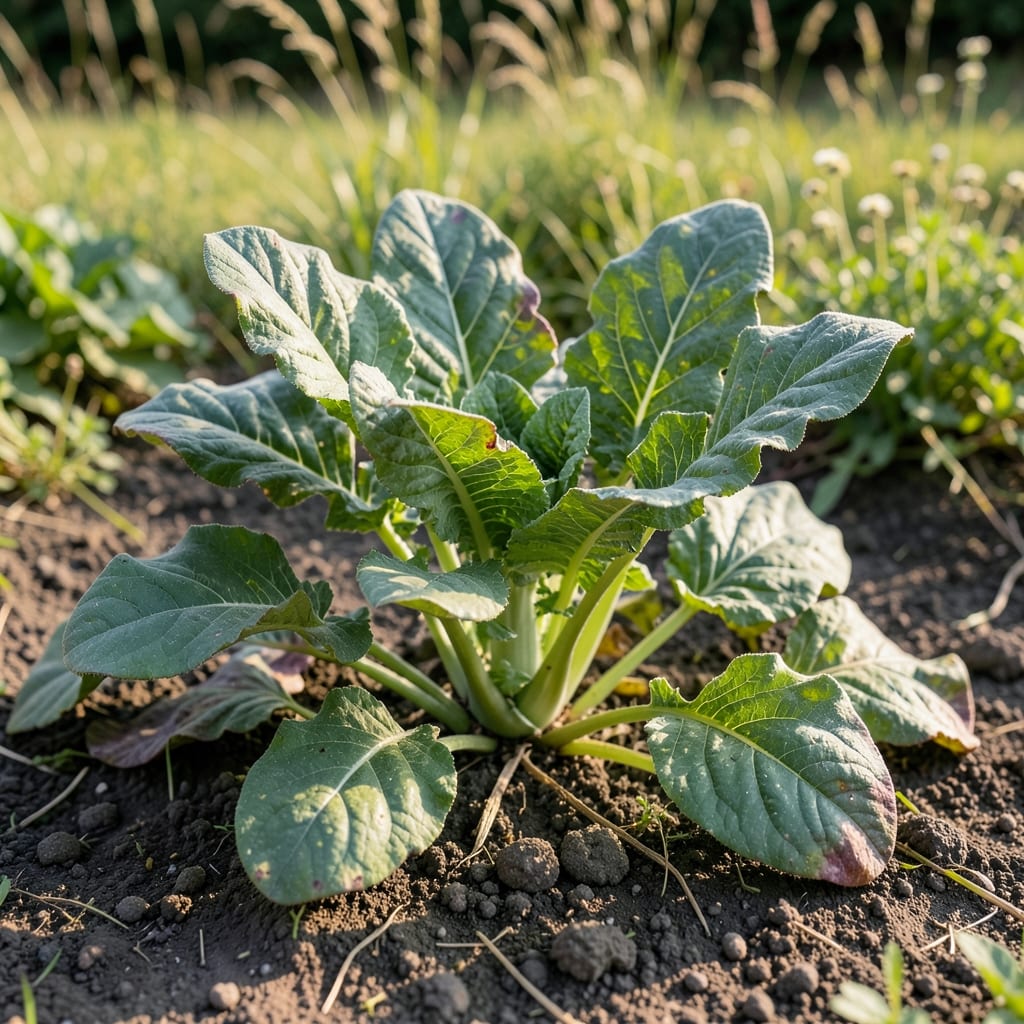
Wondering how tall do beets grow in your garden? The answer might surprise you—because these earthy roots are far more versatile than you think. While the roots themselves stay compact (typically 1–3 inches wide), the leafy greens can shoot up to 1–2 feet tall, creating a two-tiered harvest.
Your 🍠 beet variety plays a huge role in final height. Baby beets stay small and sweet, while mature types like Detroit Dark Red develop fuller foliage. Even the soil and sunlight in your USDA Zone 6a garden can tweak growth—too much nitrogen, and you’ll get lush leaves but tiny roots.
Timing matters just as much as space. Plant in March–April after the last frost, and you’ll see roots ready to harvest in 50–70 days. But here’s the secret: if you let them grow too long, those 1-inch roots can balloon to 4 inches—and the flavor changes completely.
Ready to grow perfect-sized beets? Discover the best planting tips and harvest tricks in our full beet-growing guide—where we break down exactly when to pull those glossy roots for the sweetest results.

Beet variety heights: from tiny baby beets to towering giants
Beets are one of those garden superstars that deliver two harvests in one: the roots you roast and the leafy greens you sauté. While the roots themselves stay compact—typically 1–3 inches in diameter—their foliage can reach 1–2 feet tall, depending on the variety. This dual harvest makes beets incredibly space-efficient, but their height varies dramatically between types.
For example, baby beets (like 'Babybeat' or 'Little Ball') stay tiny—roots rarely exceed 1 inch in diameter, and their greens top out at 6–8 inches. Meanwhile, mature varieties like Detroit Dark Red or Chioggia can produce roots up to 3–4 inches wide and foliage that stretches toward 2 feet. Even the Golden beet varieties (like 'Golden' or 'Touchstone Gold') follow this pattern, though their greens tend to be slightly less bushy than their deep-red cousins.
Here’s the key: root size ≠ foliage height. A 1-inch root might support 12-inch greens, while a 3-inch root could have 18-inch leaves. This is why commercial growers often prioritize leaf production—those towering greens are prized for salads and cooking, even if the roots are small.
| Variety | Root Size (Diameter) | Foliage Height | Notes |
|---|---|---|---|
| Baby Beets (e.g., 'Babybeat') | 0.5–1 inch | 6–8 inches | Harvest early for sweetness; greens edible. |
| Detroit Dark Red | 2–4 inches | 12–18 inches | Classic variety; deep red roots. |
| Chioggia ('Candy Stripes') | 2–3 inches | 14–20 inches | Striped roots; tall, lush greens. |
| Golden Beets (e.g., 'Touchstone Gold') | 2–3 inches | 10–16 inches | Milder flavor; greens less bushy. |
| Bull's Blood (e.g., 'Detroit Dark Red') | 3–4 inches | 18–24 inches | Tallest greens; deep red leaves. |
If you’re growing beets in containers, expect slightly shorter foliage (thanks to root-bound stress), but the roots will still reach their full diameter. For commercial growers, the focus shifts to maximizing leaf yield—often by thinning seedlings early to reduce competition and letting the remaining plants bolt taller.
One common misconception is that beet greens will always reach their maximum height. In reality, overcrowding or poor soil can stunt both roots and foliage. For example, planting seeds too closely (less than 3 inches apart) will produce smaller roots and shorter greens as plants fight for nutrients. The sweet spot? 4–6 inches between seedlings for optimal growth.
Pro tip: If you’re after extra-tall greens, prioritize nitrogen-rich soil (like compost or a 5-10-10 fertilizer) and full sun exposure. But watch out—too much nitrogen can sacrifice root size for leafy growth. Balance is key!
For small-space gardens, consider interplanting beets with fast-growing crops like radishes or lettuce. The beets’ 1–2 foot foliage will shade out weeds while the roots mature below, making them a low-maintenance powerhouse for any plot.
Ready to pick your perfect beet variety? Start with Detroit Dark Red for classic roots or Chioggia for a stunning striped harvest. And remember: the sweetest roots often come from harvesting early—before they get too big or woody.
Beet variety heights: from tiny baby beets to towering giants
When planning your beet garden, remember that height isn’t just about roots—it’s about the foliage too. While the round roots stay compact (typically 1–3 inches wide), the leafy tops can reach 1–2 feet tall, depending on the variety. This two-part growth makes beets perfect for dual harvests: you can enjoy both roots and greens!
Not all beets grow the same. Baby beets like 'Little Ball' stay small (roots 1–2 inches, tops 6–12 inches), while mature types like 'Detroit Dark Red' can develop roots up to 3–4 inches wide with foliage hitting 18–24 inches. Even heirloom varieties like 'Chioggia' (with striped roots) follow these general rules.
| Variety | Root Size (Diameter) | Foliage Height | Best For |
|---|---|---|---|
| Baby Beets ('Little Ball') | 1–2 inches | 6–12 inches | Quick harvests, salads |
| Detroit Dark Red | 2–4 inches | 18–24 inches | Storage, roasting |
| Chioggia ('Candy Stripe') | 2–3 inches | 12–18 inches | Gourmet dishes, pickling |
| Golden Beets | 1–3 inches | 10–16 inches | Sweet flavor, salads |
🌱 Pro Tip: Spacing matters! Plant roots 3–4 inches apart to avoid stunted growth.
Commercial fields often grow beets taller than home gardens because they use high-nitrogen fertilizers to boost foliage. But in your USDA Zone 6a garden, focus on balanced soil (too much nitrogen = tiny roots, big leaves). For example, 'Golden' varieties stay shorter but sweeter when grown in partial shade.
If you’re short on space, prioritize compact varieties like 'Baby Beets' or 'Lutz Winter Keeper' (roots 2–3 inches, tops 12–16 inches). These thrive in containers too! Just ensure they get 6+ hours of sun—less light slows growth and dulls flavor.
Remember: height isn’t the only factor. The shape of the root (round vs. long) and color (red, gold, striped) also vary by type. For instance, 'Detroit Dark Red' grows taller but stores longer than 'Chioggia,' which stays smaller but sweeter.