
Plants
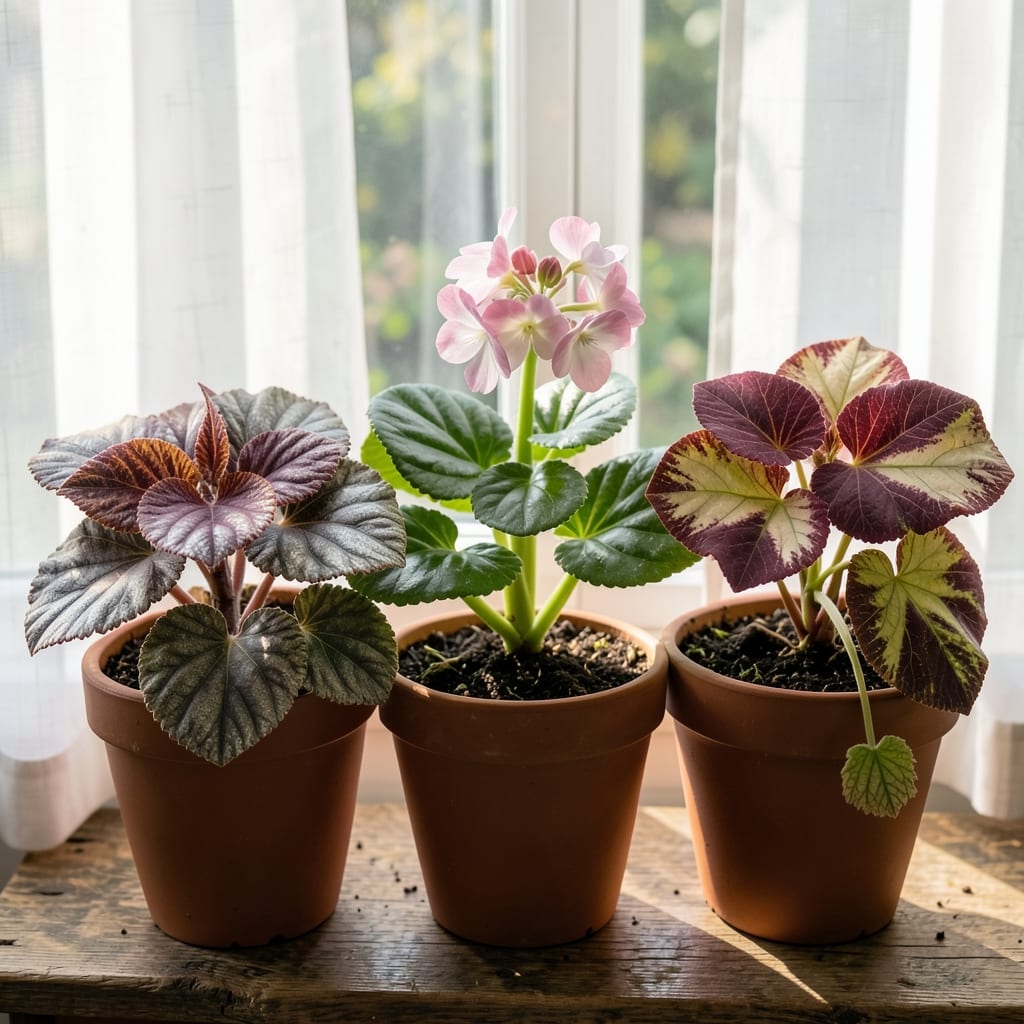
If you're wondering how tall do begonia plants grow, the answer might surprise you—these stunning 🌸 beauties range from tiny tabletop companions to towering garden stars, depending on the variety. Whether you're dreaming of cascading wax begonias or bold rex leaves, knowing their mature height helps you choose the perfect spot for their full potential.
Some begonias stay compact, perfect for windowsills or small pots, while others reach impressive heights when given the right care. The key to managing their growth lies in understanding their natural tendencies and how light, soil, and pruning can influence their development. Let's explore the height differences between popular varieties and how to keep them thriving at their best size.
For example, angel wing begonias typically stay between 12-18 inches, making them ideal for shelves or hanging baskets, while cane begonias can stretch up to 3 feet with proper support. The good news? With a few simple adjustments—like strategic pruning or adjusting light exposure—you can encourage the height (or compactness) that fits your space perfectly.
Ready to transform your garden or indoor oasis? I'll walk you through everything you need to know about begonia heights, from dwarf varieties for small spaces to tall types for dramatic displays. Let's get growing!


Begonia plant height by variety: compact vs. towering types
Begonias are a diverse family, and their mature heights can vary dramatically depending on the variety. Some stay small enough for windowsills, while others become stunning vertical accents in your garden. Understanding these differences helps you choose the perfect begonia variety for your space and care style.
For example, rex begonias typically reach 12-18 inches tall, making them ideal for desk gardens or small shelves. Meanwhile, cane begonias can grow up to 3 feet or taller with proper support. The key is knowing which type fits your vision—whether you want cascading foliage or bold upright stems.
Here’s how different begonias compare in terms of height, growth habit, and ideal placement:
| Variety | Height Range | Growth Habit | Best For |
|---|---|---|---|
| Rex Begonia | 12-18" | Bushy, compact | Windowsills, desk gardens |
| Angel Wing Begonia | 12-18" | Upright, trailing | Hanging baskets, shelves |
| Wax Begonia | 6-12" | Compact, bushy | Pots, borders |
| Cane Begonia | 24-36+" | Tall, upright | Garden beds, vertical gardens |
| Tuberous Begonia | 12-24" | Bushy, flowering | Borders, containers |
| Trailing Begonia | 12-24" | Trailing, cascading | Hanging baskets, shelves |
| Bougainvillea-Like Begonia | 18-30" | Upright, flowering | Garden beds, containers |
The rex begonia and wax begonia varieties are perfect for small spaces, while cane begonias and tuberous begonias can add dramatic height to garden borders. If you love trailing plants, varieties like angel wing begonias or trailing begonias will spill beautifully over edges, creating a lush, cascading effect.
One common misconception is that all begonias stay small. In reality, cane begonias can grow much taller than many gardeners expect, often reaching 3 feet or more with proper care. These varieties thrive in partial shade and benefit from support stakes to encourage vertical growth.
For indoor gardeners, rex begonias and wax begonias are excellent choices because they stay compact and add vibrant color to windowsills or small tables. Their foliage colors range from deep purples to striking silvers, making them a favorite for decorative displays.
If you're planning a garden bed, consider mixing taller begonias like cane types with shorter varieties to create layers and visual interest. For example, place tuberous begonias in the back for height, then add wax begonias in the front for a burst of color. This creates a balanced, eye-catching arrangement that highlights the diversity of begonia heights.
Pro tip: Always check the specific variety’s care requirements, as some begonias—like cane begonias—need more light and support to reach their full height potential. Others, like rex begonias, prefer bright indirect light and thrive in smaller containers.
How to control begonia height: pruning, support, and growth hacks
Once you know your begonia’s natural height range, you can shape its growth to fit your space. The key lies in pruning techniques, light management, and structural support—all of which I’ve perfected over years of growing these finicky beauties. For example, cane begonias (which can reach 3 feet tall) need regular pruning to encourage bushier growth, while wax begonias (typically 12-18 inches) benefit from pinching back leggy stems.
Start by removing dead or yellowing leaves to redirect energy to new growth. For taller varieties like angel wing begonias, prune 1/3 of the stem just above a leaf node to promote branching. This simple trick can turn a lanky 2-foot stem into a full, bushy plant in just a few weeks. The best time to prune is early spring or after flowering to avoid disrupting the plant’s natural cycle.
Never cut back more than 30% of the plant at once—this can shock begonias and stunt growth. Also, avoid pruning during winter dormancy (November-February), as the plant needs all its energy to survive. If you must prune in winter, do so lightly to maintain shape without stressing the roots.
Light exposure plays a huge role in height control. Too much direct sunlight (especially afternoon rays) causes begonias to stretch unnaturally tall and leggy—a condition called etiolation. To prevent this, place your plants 1-3 feet from an east-facing window or use a sheer curtain to diffuse light. For indoor growers, a grow light on a timer (12-14 hours/day) keeps growth compact and healthy.
Support structures are a game-changer for taller varieties. Use bamboo stakes or small cages to train cane begonias upward, preventing them from flopping over. For trailing types like begonia boliviensis, hang them in macramé hangers to create a stunning cascading effect. The key is to secure the plant gently—tight ties can damage delicate stems. Check supports every 2-3 weeks and adjust as the plant grows.
Fertilizer timing also affects height. Over-fertilizing with high-nitrogen feeds encourages leafy (but leggy) growth, while a balanced 10-10-10 formula promotes sturdy stems. I recommend feeding every 4-6 weeks during spring and summer, but skip fertilizing in fall and winter to encourage dormancy. For compact begonias, reduce fertilizer by half to prevent rapid (and unruly) growth.
Finally, rotate your plants every 2-3 weeks to ensure even growth. Begonias naturally lean toward light sources, which can create uneven height and weak stems. A simple quarter-turn keeps them symmetrical and sturdy. With these tips, you’ll have begonias that stay at your ideal height—whether you want a windowsill mini-garden or a dramatic garden border.